AUTHOR OF THIS BLOG

DR ANTHONY MELVIN CRASTO, WORLDDRUGTRACKER

DR ANTHONY MELVIN CRASTO Ph.D

DR ANTHONY MELVIN CRASTO, Worlddrugtracker, Born in Mumbai in 1964 and graduated from Mumbai University, Completed his PhD from ICT ,1991, Mumbai, India, in Organic chemistry, The thesis topic was Synthesis of Novel Pyrethroid Analogues, Currently he is working with AFRICURE PHARMA as ADVISOR earlier GLENMARK LS Research centre as consultant,Principal Scientist, Process Research (bulk actives) at Mahape, Navi Mumbai, India. Prior to joining Glenmark, he worked with major multinationals like Hoechst Marion Roussel, now sSanofi, Searle India ltd, now Rpg lifesciences, etc. he is now helping millions, has million hits on google on all organic chemistry websites. His New Drug Approvals, Green Chemistry International, Eurekamoments in organic chemistry are some most read blogs He has hands on experience in initiation and developing novel routes for drug molecules and implementation them on commercial scale over a 32 year tenure, good knowledge of IPM, GMP, Regulatory aspects, he has several international drug patents published worldwide . He gas good proficiency in Technology transfer, Spectroscopy, Stereochemistry, Synthesis, polymorphism etc He suffered a paralytic stroke in dec 2007 and is bound to a wheelchair, this seems to have injected feul in him to help chemists around the world, he is more active than before and is pushing boundaries, he has one lakh connections on all networking sites, He makes himself available to all, contact him on +91 9323115463, [email protected]

11-Chloro-1-undecene

 Uncategorized  Comments Off on 11-Chloro-1-undecene
Jun 272015
 

11-Chloro-1-undecene

125
Name 11-Chloro-1-undecene
Synonyms
Name in Chemical Abstracts 1-Undecene, 11-chloro-
CAS No 872-17-3
EINECS No
Molecular formula C11H21Cl
Molecular mass 188.74
SMILES code ClCCCCCCCCCC=C


10-Undecen-1-ol
SOCl2
reacts to
11-Chloro-1-undecene + Hydrochloric acid + Sulfur dioxide

1H-NMR

1H NMR

1H-NMR: crude product
300 MHz, CDCl3
delta [ppm] mult. atoms assignment
1.1-1.5 m 12 H CH2
1.75 tt 2 H 2-H
2.02 dt 2 H 9-H
3.51 t 2 H 1-H
4.95 2xdd 2 H 11-H
5.80 m 1 H 10-H


1H NMR

1H-NMR: 11-Chloro-1-undecene
300 MHz, CDCl3
delta [ppm] mult. atoms assignment
1.1-1.5 m 12 H CH2
1.75 tt 2 H 2-H
2.02 dt 2 H 9-H
3.51 t 2 H 1-H
4.95 2xdd 2 H 11-H
5.80 m 1 H 10-H


13C-NMR

13C NMR

13C-NMR: crude product
75.5 MHz, CDCl3
delta [ppm] assignment
32.7 C2
33.9 C9
45.0 C1
114.1 C11
139.1 C10
76.5-77.5 CDCl3


13C NMR

13C-NMR: 11-Chloro-1-undecene
75.5 MHz, CDCl3
delta [ppm] assignment
32.7 C2
33.9 C9
45.0 C1
114.1 C11
139.1 C10
76.5-77.5 CDCl3


IR

IR

IR: 11-Chloro-1-undecene
[Film, T%, cm-1]
[cm-1] assignment
3077 aliph. C-H valence, H2C=C
2927, 2855 aliph. C-H valence
993, 910 deform. C-H, H2C=C
723 C-Cl valence


Operating scheme

Operating scheme


Chromatogram

crude product chromatogram

GC: crude product
column DB-WAX, L=30 m, d=0.33 mm, film=0.25 µm
inlet on column injection, 0.2 µL
carrier gas H2, 40 cm/s
oven 90°C (5 min), 10°C/min –> 240°C (30 min)
detector FID, 270°C
integration percent concentration calculated from relative peak area


pure product chromatogram

GC: pure product
column DB-WAX, L=30 m, d=0.33 mm, film=0.25 µm
inlet on column injection, 0.2 µL
carrier gas H2, 40 cm/s
oven 90°C (5 min), 10°C/min –> 240°C (30 min)
detector FID, 270°C
integration percent concentration calculated from relative peak area

8 must-see places in Southeast Asia for great views: bucket list 2015

8 must-see places in Southeast Asia for great views: bucket list 2015
Southeast Asia is more than food and culture; here are 8 eye-candy places with magnificent views for a highly memorable trip!

Not just a melting pot of cultures, religions, history and food, Southeast Asia offers many picturesque spots that your eyes will thank you for. Whether it’s enjoying a sunset from a mountain top or just taking in the bucolic sights of Mother Nature’s hand-sculpted terrains, you’ll attest that these 8 suggestions offer some pretty unique charms that take your breath away.


1. Inle Lake, Myanmar

Myanmar has become a hotspot for the intrepid traveller and opens up plenty of opportunities to lap up many of its natural scenic wonders. If you’re heading there, a must-see place is Inle Lake renowned for its vast body of water where one can spot fishing communities and homes built on stilts.

Not only is the lake famous for its photogenic quality, you can hire guides to visit fish farms and shop at handicraft stores. Inle Lake’s picturesque charm comes from watching leg-rowing fisherman haul their catch during sunset. Find cheap flights to the capital Naypyidaw and best time to travel there is between November and February.

Read more: Top 10 things to do in Myanmar

Be mesmerised by the scenic Inle Lake in Myanmar


2. Tiger’s Nest Monastery, Bhutan

Perched some 3,000 metres above sea level and build in 1692, Bhutan’s Taktsang monastery, or more popularly known as Tiger’s Nest, is a must-see when you come to this nation steeped in Buddhist history. Getting there is not for the faint-hearted as one has to traipse through a hilly, rocky and undulating path to reach the peak.

Do hire guides to reach the apex successfully, and you’ll be rewarded by 360-views of sylvan mountain tops. Spring time from March to May is the best time to visit Bhutan and Drukair Royal Airlines of Bhutan flies theredirect.

Read more: 5 tips on tipping when travelling in Southeast Asia

Take in the lofty, airy views of Tiger’s Nest in Bhutan


3. Mount Kinabalu, Sabah, Malaysia

Recognised as one of the tallest peaks in Southeast Asia, Mount Kinabalu is a trekker’s dream come true. Getting to the summit takes about two days to accomplish. There is a 4-km climb to Laban Rata lodge where you can rest and replenish on sustenance. The next day is a 2-km climb to Low’s Peak.

The trek may be arduous but with lush rainforest terrain, there’s always something new at every corner to keep you distracted. About a kilometer away from the peak, the terrain changes to rock, stone and pebbles complemented by vegetation normally found in cooler climes. To catch the sunrise on the second day, it’s advisable to depart at 2am but remember to bring extra clothing as the mercury will drop to 2 degrees Celsius.

Read more: 5 fun extreme sports in Singapore for the adventure seekers

The scenic misty peaks of Mt. Kinabalu also offer spots for picturesque photos


4. Palawan Island, Luzon, Philippines

Recently coined by Huffington Post as “The Most Beautiful Island In the World” while Conde Nast Traveler’sReader Choice Awards named it “The Top Island in the World”, Palawan island is quite the magnificent sight. With its beautiful azure waters infused with emerald hues, it’s also hard to refute such claims.

Dotting the waters are jungled-filled islands, each with a distinctive hill rising above the ocean. Just by half-hour domestic flight from Manila airport, once you soar above Palawan’s oceanic landscape, you’ll feel like you’ve reached Shangri-la. Whether it’s island-hopping or sea kayaking, fun-filled times are never in short supply.

Read more: 12 best beaches in Asia Pacific

The beaches of Palawan have powdery white sand!


5. Penang National Park, Malaysia

Penang is truly a foodie paradise but many people are flocking there for other reasons, one being its attractive natural environment. Located just west of mainland Malaysia, a flight from Singapore is slightly over an hour.

With plenty of diverse lifestyle choices and entertainment options, Penang also has its idyllic charms. Aside from its UNESCO-designated George Town, the Penang National Park located on the North-Western side of the island rewards one with rich rainforests, a diverse ecosystem and some 1,381 hectares of wetlands to indulge trekking fanatics and eco-photographers.

Read more: Best cruises from Singapore

Unique flora and fauna found at Penang National Park makes for picture perfect memories too


6. Tanah Lot Temple, Bali, Indonesia

Bali is never in short supply of mysticism and wonder. A two-hour flight out of Singapore is all it takes to enjoy a short vacation. And of course, visiting its picturesque sea temple on the west coast of Bali, Tanah Lot, promises many Kodak moments. A simple traipse during low-tide rewards a sight to behold too – a Hindu shrine ensconced among lush trees perched on a rock is postcard-worthy from any angle. Framed by crashing waves, Tanah Lot Temple brims with a dab of fable and mysticism that makes it a must-see when visiting Bali!

Read more: Top 5 places to go diving in Southeast Asia

Tanah Lot in Bali offers scenic views of splendid structures amidst crashing waves


7. Angkor Wat, Siem ReapCambodia

Angkor Wat became even more famous, thanks to the Tomb Raider movie starring Angelina Jolie. Founded in the 12th Century, it is also the 7th Wonder of the World. This Khmer temple’s architecture will seize the gaze of any first-time visitor. At the centre of this city, within a moat, is a towering stupa that provides sylvan views of its 3.6km, vine-covered outer wall. Just 5.5km north of Siem Reap, the Angkor Archaeological Park is a must-see for travellers with a penchant for history and artefacts.

Read more: Top 10 most romantic places in Asia (part 2)

Angkor Wat’s lush views are both captivating and mysterious


8. Halong Bay, Hanoi, Vietnam

Halong Bay, which means “Bay of Descending Dragons”, is a unique karst topography carved out by Mother Nature. The UNESCO World Heritage site offers views of vertical formations which are rich in dense vegetation. A boat cruise meandering through any of the 1,969 islets is both tranquil and insightful. Avoid the monsoons from June to September and from January to March, but visit the high seasons to enjoy sunny skies that won’t put a damper on your exploration plans of the natural outlying islets. After a three-hour fight to Hanoi from Singapore, take a five-hour road trip via mini bus to the port; it costs around USD 6 (SGD 7.50) and can be arranged upon arrival.

Read more: Top 10 most romantic places in Asia (part 1)

Halong Bay in Vietnam promises oceanic vistas


All these places will astound you in a multi-sensory way. Whichever activity you decide to experience at these destinations, you’ll agree that many good memories await.


  DRUG APPROVALS BY DR ANTHONY MELVIN CRASTO …..FOR BLOG HOME CLICK HERE


Join me on Linkedin

View Anthony Melvin Crasto Ph.D's profile on LinkedIn

Join me on Facebook FACEBOOK

Join me on twitterFollow amcrasto on Twitter

Join me on google plus Googleplus

 [email protected]

///////////

Share

Sun Kim ……Quality-by-Design Evangelist

 Uncategorized  Comments Off on Sun Kim ……Quality-by-Design Evangelist
Jun 252015
 

Sun Kim

Sun Kim

QbDWorks.com – Quality by Design for Pharma, Biotech, Medical Devices

Dr. Sun K. Kim is a Quality-by-Design Evangelist, transforming how Product Development is executed in the Biologics, Pharmaceutical and Medical Devices industry. In addition, he teaches at Keio University and Stanford University. His current focus of research is Quality-by-Design, Agile Development of Drugs and Therapeutics.

He received his MS and PHD in Mechanical Engineering at Stanford University. Sun was recently a Professor at Keio University in Japan. Prior to Silicon Valley days, he served in the Korean Army and worked at BMW in Munich, Germany

  • Sun Kim – Google+

    https://plus.google.com/104532120968165429422

    Sun Kim. Worked at QbDWorks. Attended Stanford University. Lives in San Francisco, CA. 2,886 views … QbD Risk Assessment – Quality by Design. 1.

    • Sun Kim – YouTube

      https://www.youtube.com/channel/UCoWqD615csn0MUEXDW2O2Qg

      QbDWorks share what works and does not when implementing Quality-by-Design in the Biotech, Biologics, Pharmaceutical and Medical Devices Industry.

      • Sun Kim | Facebook

        https://www.facebook.com/kimsunkist?fref=nf

        • Sun Kim is on Facebook. Join Facebook to connect with Sun Kim and others you may know. Facebook gives people the power to share and makes the world …


Sun Kim

Experience

Quality by Design – Founder

QbDWorks

 – Present (2 years 6 months)http://QbdWorks.com

Founder of QbDWorks.com

Quality by Design for Biotech, Pharmaceutical and Medical Devices – Quality by Design Tools and Case Studies

Lecturer

Stanford University

 – Present (10 years)Stanford, CA

Teach Design for Manufacturing, Robust Design, Design of Experiments

Master Black Belt in Quality-by-Design, Lean Six Sigma, Sr. Manager

Bayer HealthCare

 –  (2 years 7 months)Berkeley, CA

Sr. Manager, Master Black Belt in Quality-by-Design, Design for Lean Six Sigma,
Leading Business Process Management

Design for Excellence Evangelist

Abbott

 –  (1 year 9 months)

Master Black Belt (Lean Six Sigma), Project Management Professional, Scrum Master

Assistant Professor of Graduate School of Systems Design and Management Assistant

Keio University

 –  (3 years 1 month)

http://www.sdm.keio.ac.jp/en/faculty/kim_s.html

Lecture and advise graduate-level, professional students on system and product design, design thinking, creative brainstorming methodologies, prototyping, project management and business development. Solicited 15 industry project partners. Generated $35,000/year after developing non-degree curriculum for professionals. Co-Investigator of research projects of $50,000: Indoor Location-based Services Technology for Mobile Devices. Consults manufacturing companies (Hitachi, Toshiba) on growth strategies for Service Business Innovation. Others include developing cost simulation tool of product design based on injection molding, design for manufacturing and healthcare delivery systems. Began as a lecturer in Feb. 2008 to co-develop a project-based design curriculum, Active Learning Program Sequence (ALPS), educating over 100 graduate students every year.

Invited as an Assistant Professor in June, 2009.

Research, Teaching Assistant

Stanford University

 –  (3 years 10 months)

Lectured, coached and managed over 40 multi-disciplinary teams on Design for Manufacturing projects from Biomedical device (Medtronic, Maquet, St. Jude Medical, etc.) and automotive companies (Toyota, Nissan, GM, etc.). Served as the main research associate of Toshiba Corporation Six-Sigma Consulting Inc., developing systems design and manufacturing programs for Toshiba employees. Innovative projects were mobile personal-assistant IT system and agile transportation infrastructure.

Industry-sponsored Projects

Stanford University

 –  (4 years 10 months)

Maquet Cardiovascular: Coached and led a 3 member team in redesigning the crimping process of Hemashield Grafts, resulting in cost reduction of $75,000 and operators’ medical costs from injuries.

Satiety (Bariatric Surgery Device for Obesity Treatment) Design for Manufacturing Project: Coached a 3 member team in redesigning the packaging and supply chain for the Toga System, resulting in supply chain efficiency of 50% improvement by applying Lean and Errorproofing (Poka Yoke) Techniques.

Medtronic Vascular: Coached a 4 member team in redesigning the manufacturing line of a stent-graft, resulting in 73% reduction of lead time and increase in reliabilty and performance. Observed over 5 vascular and general surgery cases. http://www.youtube.com/watch?v=RkA2TyCsV0A

St. Jude Medical: Led a 4 member team in developing a 7-year supply chain strategy for new service centers of ICD/pacemaker programmers in Europe, Asia, N. and S. America and Oceania. The recommendation consists of an optimized cost model from net present value analysis and AHP location decision modeling that will save $461 million over 7 years and increase customer service rate compared to the existing service centers.

Nissan Motors: Led a 4 member team to construct a 20 year technology / business roadmap of Nissan Fuel Cell powertrain / vehicles which projects $ 4.8 billion revenue. Created a fuel cell vehicle concept design by applying Design for manufacturing tools including market research, manufacturability, and profitability analysis.

Zimmer Orthopedics: Implemented, with five team members, a FEA (finite element analysis) simulation tool with ABAQUS which assists in the development of treating knee osteoarthritis, based on MRI and gait data. http://www.youtube.com/watch?v=47QOdiauHwE

General Motors: Achieved potential cost reduction of $450 per vehicle and reduced 50kg of car weight by replacing wires with conductive coatings and RFID applications with a team of four members.

Design for Six Sigma Research Fellow

Toshiba

 –  (3 years 7 months)

Developed Design for Six Sigma Curriculum for Toshiba Corp.
Trained engineers, managers in systems design methodologies.
Coached Six Sigma projects.

Medical Device Design Innovation Program Developer

Johnson & Johnson

 –  (3 months)

Developed an innovation-incubation program to design/develop next generation product/technology with physicians and multidisciplinary design teams.

Design, Manufacturing Consultant

NeoGuide Systems

 –  (6 months)

Performed Robust Design, Design of Experiment, Developed manufacturing tooling, testing protocols and automated stations.

Reliability Research Assistant

Stanford Linear Accelerator Center

 –  (7 months)

Developed a reliability decision analysis tool for the LINAC System which will save $83 million per year on the $8 billion International Linear Collider Project. Enhanced reliability of the Accelerator system up to 20% and had increased throughput by linking Failure Mode and Effect Analysis of the Tuner to the evaluation tool.

Optimization/ Structural Analysis Intern

Samsung Electronics

 –  (1 month)

Improved impact-worthiness (20%) by optimizing design parameters of cell phone cases after performing structural analysis.

Design, Manufacturing Engineer

BMW

 –  (8 months)

Applied for 1 patent individually and created 3 design proposals as a team in 3 months. Saved $2,760 per month by implementing knowledge database management system. Resolved 3 process problems during 2 weeks of manufacturing
rotation program in Munich assembly plant with the manufacturing engineers.

US – ROK Army Radiology Tech, Company Leader, Manager

Republic of Korea Army

 –  (2 years 3 months)

Served 20,000 US Army patients as a Radiology Technician, tasks including diagnostic x-ray imaging, upper GI, etc. Managed 12 multi-national soldiers and a radiology department. Was awarded as “the accident-free company.” Increased the availability of the radiology department, which takes care of 20,000 patients, up to 130% by building a forecast schedule planning system.

Education

Stanford University

Stanford University

Ph.D, Mechanical Engineering

Focus in Systems (Product, Service, Business) Design, Design Thinking, Design for Manufacturing and Six Sigma

Activities and Societies: Design SocietyASMEIEEEINCOSEACM

Stanford University

Stanford University

MS, Mechanical Engineering

Focus in Biomedical Device Design, Reliability Engineering, Operations Research

Activities and Societies: KOSEF Academic Fellow

Publications

A New Project-Based Curriculum of Design Thinking with Systems Engineering Techniques

International Journal of System of Systems Engineering

2013

Agile Project Management for Root Cause Analysis Projects

International Conference on Engineering Design

2013

A New Project-Based Curriculum of Design Thinking with Systems Engineering Techniques

Council of Engineering Systems Universities

2012

Evaluation of Design for Service Innovation Curriculum: Validation Framework and Preliminary Results

nternational Journal of Services Technology and Management

2011

A Validation Regarding Effectiveness of Scenario Graph

ASME International Design Engineering Technical Conferences

2011

Wants Chain Analysis: Human-centered Method for Analyzing and Designing Social Systems

International Conference on Engineering Design

2011

Scenario-based Amorphous Design (SAD) Framework for a Location-based Services Technology

Mobile Human Computer Interaction

2010

Transforming Seamless Positioning Technology into a Business using a Systems Design Approach—Scenario-based Amorphous Design

IEEE- International Systems Conference

2010

Design for Service Innovation: A Methodology for Designing Service as a Business for Manufacturing Companies

International Journal of Services Technology and Management

2010

Preliminary Validation of Scenario-based Design for Amorphous Systems

International Conference on Systems Engineering

2010

Tools for Project-based Active Learning of Amorphous Systems Design: Scenario Prototyping and Cross Team Peer Evaluation

ASME International Design Engineering Technical Conferences

2009

Active Learning Project Sequence: Capstone Experience for Multi-disciplinary System Design and Management Education

International Conference on Engineering Design

2009

Demystifying Ambiguity in The Design of Amorphous Systems

International Conference on Systems Engineering

2009

Scenario-based Design for Amorphous Systems

ASME International Mechanical Engineering Congress and Exposition

2008

Analysis and Design Methodology for Recognizing Opportunities and Difficulties for Product-based Services

Information Processing Society of Japan (IPSJ) Journal

2007

Scenario Graph: Discovering new business opportunities and Failure Modes,”

ASME International Design Engineering Technical Conferences

2007

Analysis and Design Methodology for Product-based Services

Annual Conference of the Japanese Society for Artificial Intelligence

2007

Analysis and Design Methodology for Recognizing Opportunities and Difficulties for Product-based Services

PICMET

2007

CUT PASTE FROM
KIM SUN SPEAKS
Sun Kim

About QbDWorks…http://qbdworks.com/about/

Are you a Scientist in the Pharmaceutical, Biopharmaceutical or Medical Devices industries?

Then you are probably asking:

  • Does Quality-by-Design actually work?
  • Or is it just another program like Lean or Six Sigma?
  • How do I implement QbD successfully?
  • How do I persuade my management?
  • What is the first step?

As a QbD practitioner, I had the same questions and am trying to answer them as I test different elements of QbD.

Through our members’ successes and failures in QbD, you can save time by not having to repeat them yourself. There are many lessons learned and knowledge that you can share with your QbD team.

Who are You?

Sun Kim

My name is Sun Kim. I currently practice Quality-by-Design, transforming how Product Development is executed in Biopharmaceutical, Pharmaceutical, Biologics, and Medical Device industries.

In addition, I teach at Stanford University. My focus of research is Lean Quality by Design.

I received my MS and PHD in Mechanical Engineering at Stanford University and was recently an Asst.  Professor at Keio University in Japan. Prior to Silicon Valley days, I served in the Korean Army and worked at BMW AG in Munich, Germany, where my lifelong pursuit of “Product Development Methodology” began.

Why is an Engineer working in the Bio/pharmaceutical Industry?

Thanks for asking! When working at BMW, as a member of the elite “KREATIV” (Creative) team, my goal was to develop the best technologies and products for the automotive industry. However our approach was somewhat adhoc and heuristics-based. I knew there was a better way.

So I set my heart to learn how best products are developed across all industries. This led me to my PhD research at Stanford University.

Little did I know this would turn out to be more than just a graduate program. On top of the typical coursework, research and publishing, my schedule was packed with hands-on consulting/research projects with GE Healthcare, GE Aviations, Toyota, Nissan, Toshiba, Medtronic, Johnson & Johnson, Startup’s etc.

After contributing to the product development approaches for the Academia, Fortune 500 and Startup’s, I knew my heart was always with Health Care. So I returned to the benches and trenches.

For the last 10 years, I have been working in the Biopharmaceutical, Pharmaceutical and Medical Devices Industry, to make Quality by Design a reality.

So please join me in this Quality by Design journey.

Sign up to connect to the community and receive updates.

Together, we can change how drugs and therapies are developed for our patients and families.

Let’s Connect!

If you’d like to connect, please invite me:

www.linkedin.com/in/kimsunkist/

Previously I worked (full time or consulting) with:

Company Logos

The views expressed on this website are personal opinions and in no way reflect the position of any organization.

  DRUG APPROVALS BY DR ANTHONY MELVIN CRASTO …..FOR BLOG HOME CLICK HERE


Join me on Linkedin

View Anthony Melvin Crasto Ph.D's profile on LinkedIn

Join me on Facebook FACEBOOK

Join me on twitterFollow amcrasto on Twitter

Join me on google plus Googleplus

 [email protected]

FREEMONT CALFORNIA
Map of fremont ca
LAKE ELIZABETH

  DRUG APPROVALS BY DR ANTHONY MELVIN CRASTO …..FOR BLOG HOME CLICK HERE


Join me on Linkedin

View Anthony Melvin Crasto Ph.D's profile on LinkedIn

Join me on Facebook FACEBOOK

Join me on twitterFollow amcrasto on Twitter

Join me on google plus Googleplus

 [email protected]

////
Share

Gatifloxacin

 Uncategorized  Comments Off on Gatifloxacin
Jun 182015
 
Gatifloxacin.svg
GATIFLOXACIN
BMS-206584, CG-5501, AM-1155, Zymar, Bonoq, Gatiflo, AM-1155
(±)-1-Cyclopropyl-6-fluoro-8-methoxy-7-(3-methyl-1-piperazinyl)-4-oxo-1,4-dihydroquinoline-3-carboxylic acid
Gatifloxacin sold under the brand names GatifloTequin and Zymar, is an antibiotic of the fourth-generation fluoroquinolonefamily,[1] that like other members of that family, inhibits the bacterial enzymes DNA gyrase and topoisomerase IVBristol-Myers Squibb introduced Gatifloxacin in 1999 under the proprietary name Tequin for the treatment of respiratory tract infections, having licensed the medication from Kyorin Pharmaceutical Company of Japan. Allergan produces it in eye-drop formulation under the names Zymar and Zymaxid. In many countries, gatifloxacin is also available as tablets and in various aqueous solutions forintravenous therapy.
Originally developed at Kyorin, gatifloxacin was first licensed to Gruenenthal in Europe, and that company still maintains rights to the oral and injectable formulations of the product. In October 1996, Kyorin licensed gatifloxacin to BMS, granting the company development and marketing rights in the U.S., Canada, Australia, Mexico, Brazil and certain other markets. In 2006, rights to the compound were returned by BMS. Subsequently, Senju and Kyorin signed a licensing agreement regarding the development of ethical eye drops containing the fluoroquinolone. In April 2000, Sumitomo Dainippon Pharma agreed to comarket the oral formulation in Japan. In August of that year, Allergan in-licensed gatifloxacin from Kyorin, gaining development and commercialization rights to the drug in all territories except Japan, Korea, China and Taiwan. The India-based Lupin Pharmaceuticals signed an agreement in June 2004 with Allergan to promote the ophthalmic solution of gatifloxacin in the pediatric specialty area in the U.S. PediaMed Pharmaceuticals also holds rights to the drug. In 2009, Kyorin licensed the drug candidate to Senju in China.
Gatifloxacin is the common name for (±)-1-cyclopropyl-6-fluoro-1,4-dihydro-8-methoxy-7-(3-methyl-1-piperazinyl)-4-oxo-3-quinolinecarboxylic acid (1), one of the most important broad-spectrum antibacterial agents and a member of the fourth-generation fluoroquinolone family.(1)Fluoroquinolones inhibit the enzyme DNA gyrase (topoisomerase II), which is responsible for the supercoiling of the DNA double helix, preventing the replication and repair of bacterial DNA and RNA.(2) Gatifloxacin (1) reached the market in 1999 under the brand name Tequin for the treatment of respiratory tract infections. The drug is available as tablets and aqueous solutions for intravenous therapy as well as eye drop formulation (Zymar).
To date, there are several processes described for the preparation of gatifloxacin, which can be grouped into two main categories: direct substitution of the 7-position fluorine atom of 1-cyclopropyl-6,7-difluoro-1,4-dihydro-8-methoxy-4-oxo-3-quinolinecarboxylic acid (2) by 2-methylpiperazine (Scheme 1),(3-5) and through boron chelate-type intermediates to overcome the diminished reactivity induced by the 8-methoxy group, which uses as starting material the ethyl ester derivative 3 (Scheme 2).(6-9)
SCHEME1
Figure
SCHEME2
Figure
  1. 1.
    Mather, R.; Karenchak, L. M.; Romanowski, E. G.; Kowalski, R. P. Am. J. Ophthalmol.2002, 133 ( 4) 463

  2. 2.
    Corey, E. J.; Czakó, B.; Kürti, L. Molecules and Medicine; Wiley: NJ, 2007; p 135.

  3. 3.
    Masuzawa, K.; Suzue, S.; Hirai, K.; Ishizaki, T. 8-Alkoxyquinolonecarboxylic acid and salts thereof excellent in the selective toxicity and process of preparing the same EP 0 230 295 A3, 1987.

  4. 4.
    Niddam-Hildesheim, V.; Dolitzky, B.-Z.; Pilarsky, G.; Steribaum, G. Synthesis of Gatifloxacin WO 2004/069825 A1, 2004.

  5. 5.
    Ruzic, M; Relic, M; Tomsic, Z; Mirtek, M. Process for the preparation of Gatifloxacin and regeneration of degradation products WO 2006/004561 A1, 2006.

  6. 6.
    Iwata, M.; Kimura, T.; Fujiwara, Y.; Katsube, T. Quinoline-3-carboxylic acid derivatives, their preparation and use EP 0 241 206 A2, 1987.

  7. 7.
    Sanchez, J. P.; Gogliotti, R. D.; Domagala, J. M.; Garcheck, S. J.; Huband, M. D.; Sesnie,J. A.; Cohen, M. A.; Shapiro, M. A. J. Med. Chem. 1995, 38, 4478

  8. 8.
    Satyanarayana, C.; Ramanjaneyulu, G. S.; Kumar, I. V. S. Novel crystalline forms of Gatifloxacin WO 2005/009970 A1 2005.

  9. 9.
    Takagi, N.; Fubasami, H.; Matsukobo, H.; (6,7-Substituted-8-alkoxy-1-cyclopropyl-1,4-dihydro-4-oxo-3-quinolinecarboxylic acid-O3,O4)bis(acyloxy-O)borates and the salts thereof, and methods for their manufacture EP 0 464 823 A1, 1991.

………………………….

WO 2005009970

http://www.google.com/patents/WO2005009970A1?cl=en

preparation of Gatifloxacin hemihydrate from Ethyl-1- Cyclopropyl-6, 7-difluoro-8-methoxy-4-oxo-l, 4-dihydro-3-quinoline carboxylate through boron difluoride chelate. Ethyl-1-cyclopropyl- 6, 7-difluoro-8-methoxy-4-oxo-l, 4-dihydro-3-quinoline carboxylate is reacted with aqueous hydrofluoroboric acid followed by condensation with 2-methyl piperazine in polar organic solvent resulting in an intermediate l-Cyclopropyl-7- (3-methyl piperazin-1- yl). -6-fluoro-8-methoxy-4-oxo-l, 4-dihydro-3-quinoline carboxylic acid boron difluoride chelate. This intermediate may be further hydrolyzed to yield Gatifloxacin. Gatifloxacin so obtained may needs purification to yield high purity product. However to obtain directly high purity Gatifloxacin it is desirable to isolate the intermediate by cooling to low temperatures . Treating with an alcohol or mixture of alcohols purifies this intermediate. The purified condensed chelate in aqueous ethanol on hydrolysis with triethylamine followed by crystallization in ethanol gives Gatifloxacin hemihydrate with high purity.

STAGE – I:


Figure imgf000006_0001

Ethyl l-cyclopropyl-6,7-difluoro-8-met oxy l-Cycloproρyl-6, 7-difluoro-8-methoxy -4-oxo-l, -dihydro-3-quinoline -4-oxo-l, 4-dihydro-3-quinoline carboxylate carboxylic acid boron difluoride chelate

STAGE – II :


Figure imgf000007_0001

l-Cycloprop l-7- ( 3-methylpiperazin-l-yl.

Figure imgf000007_0002

6-fluoro~8-methoxy-4-oxo-l , 4-dihydro-3- carboxylicacid borondifluoride chelate quinoline carboxylicacid borondifluoride chelate

STAGE -III :


Figure imgf000007_0003

l-Cyclopropyl-7- (3- ethylpiperaz.in-l-yl . GATIFLOXACIN

-6-fluoro-8-methoxy-4-oxo-l , 4-dihydro-3- quinoline carboxylicacid borondifluoride chelate

Example-I: Preparation of Gatifloxacin • with isolation of intermediate (boron difluoride chelate derivative)

Stage-1: Preparation of l-cyclopropyl-6, 7-di luoro-8-methoxy-4-oxo- 1, 4-dihydro-3-quinoline carboxylic acid boron difluoride chelate. Ethyl-l-cyclopropyl-6, 7-difluoro-8-methoxy-4-oxo-l, -dihydro-3- quinόline carboxylate (100g)is suspended in ,40%aq..hydrofluoroboric acid -(1000 ml). Temperature of • the reaction mass is raised and maintained at 95°C to 100°C for 5hrs followed by cooling to 30°C – 35°C. Water (400 ml) is added and maintained at 25°C – 30°C for 2hrs . Product is filtered, washed with water (500 ml) and dried at 40°C – 45°C to constant weight. Dry weight of the product: 101.6 g (Yield: 95.8 %)

Stage-2: Preparation of 1- Cyclopropyl-7- (3-methylpiperazin-l-yl) – 6-fluoro-8-methoxy-4-oxo-l, -dihydro-3-quinoline carboxylic acid boron difluoride chelate

100 g of Boron difluoride chelate derivative prepared as above in stage-1 is suspended in acetonitrile (800 ml) , to that 2-methyl piperazine (44.0 g, 1.5 mole equiv.) is added and mixed for 15 min to obtain a clear solution. The reaction mass is maintained at 30°C – 35°C for 12 hrs followed by cooling to -10°C to -5°C. The reaction mass is maintained at -10°C to -5°C for 1 hr. The product is filtered and dried at 45°C – 50°C to constant weight. Dry weight of the product: 116.0 g (Yield: 93.9 %) .

The condensed chelate (100 g) prepared as above is suspended in methanol (1500 ml), maintained at 40°C – 45°C for 30 min. The reaction mass is gradually cooled, maintained for 1 hr at -5°C to 0°C. The product is filtered, washed with methanol (50 ml) and dried at 45°C – 50°C to constant weight. Dry weight of the product: 80.0 g (Yield: 80.0 %)

Stage -3: Preparation of Gatifloxacin (Crude)

The pure condensed chelate (100.0 g) prepared as above in stage-2 is suspended in 20% aq. ethanol (1000 ml) , the temperature is raised and maintained at 75°C to 80°C for 2 hrs. The reaction mass is cooled, filtered to remove insolubles, distilled under vacuum to remove solvent. Fresh ethanol (200 ml) is added and solvent is removed under vacuum at temperature below 50°C. Ethanol (200 ml) is added to the residue and gradually cooled to -10°C to -5°C. The reaction mass is mixed at -10°C to -5°C for 1 hr and then filtered. The wet cake is washed with ethanol (25 ml) and dried at 45°C – 50°C to constant weight.

The dry weight of the Gatifloxacin is 83.3 g (Yield: 91.7 %)

Stage- 4: Purification of crude Gatifloxacin

Crude Gatifloxacin (100.0 g) prepared as above in stage-3 is suspended in methanol (4000 ml), the temperature is raised and maintained at 60°C to 65°C for 20 min. to get a clear solution. Activated carbon (5 g) is added, maintained for 30 min and the solution is filtered. The filtrate is concentrated to one third of its original volume under vacuum at temperature below 40°C. The reaction mass is gradually cooled and maintained at -10°C to -5°C for 2 hrs. The product is filtered, washed with methanol (50 ml) and dried at 45°C – 50°C to constant weight. The dry weight of the pure Gatifloxacin is 76.0 g (Yield: 76.0 %)

Example-II: Preparation of Gatifloxacin without isolation of intermediate (boron difluoride chelate derivative)

Stage-1: Preparation of l-cyclopropyl-6, 7-difluoro-8-methoxy-4- oxo-1, 4-dihydro-3-quinoline carboxylic acid boron difluoride chelate.

Ethyll-cyclopropyl-6, 7-difluoro-8-methoxy-4-oxo-l, 4-dihydro-3- quinoline carboxylate (lOOg) is suspended in 40% aq. hydrofluoroboric acid (1000 ml) . Temperature of the reaction mass is raised and maintained at 95°C to 100°C for 5 hrs followed by cooling to 30°C – 35°C. 400 ml DM water is added, maintained at 25°C – 30°C for 2hrs . The product is filtered, washed with DM water (500 ml) and dried at 40°C – 45°C to constant weight. The dry wt is 102.5 g (Yield: 96.6 %)

Stage – 2: Preparation of Gatifloxacin (Crude)

The boron difluoride chelate derivative (100 g) prepared as above in stage-1 is suspended in acetonitrile (800 ml) , 2-methyl piperazine (44 g, 1.5 mole equiv.) is added and mixed for 15 min to obtain a clear solution. The reaction mass is maintained at 30°C – 35°C for 12 hrs. Removed the solvent by vacuum distillation. 20% Aq. ethanol (1000 ml) is added, raised the temperature and maintained at 75°C to 80°C for 2 hrs. The reaction mass is cooled, filtered to remove insolubles. The filtrate is distilled under vacuum to remove solvent completely. Fresh ethanol (250 ml) is added and distilled under vacuum at temperature below 50°C. Fresh Ethanol (250 ml) is added to the residue and gradually cooled to -10°C to -5°C. The reaction mass is maintained at -10°C to -5°C for 1 hr and filtered. The wet cake is washed with ethanol (30 ml) and dried at 45°C – 50°C to constant weight.

The dry weight of the Gatifloxacin is 73.5 g (Yield: 65.4 %)

Stage -3: Purification of crude Gatifloxacin

Crude Gatifloxacin (80.0 g) prepared as above in stage-2 is suspended in methanol (2000 ml) , the temperature is raised and maintained at 60°C to 65°C for 20 min. to get a clear solution. The reaction mixture is filtered. The filtrate is gradually cooled and maintained at -10°C to -5°C for 2 hrs. The product is filtered, washed with methanol (50 ml) and dried at 45°C – 50°C to constant weight.

The dry weight of the pure Gatifloxacin is 56.0 g (Yield: 70.0 %)

……………………….

WO 2005047260

http://www.google.co.in/patents/WO2005047260A1?cl=en

Gatifloxacin is the international common name of l-cyclopropyl-6-fluoro-l, 4-dihydro-8-methoxy- 1- (3-methyl-l-piperazinyl) -4-oxo-3-guinolin-carboxylic acid of formula (I) , with application in medicine and known for its antibiotic activity:


Figure imgf000002_0001

European patent application EP-A-230295 discloses a process for obtaining gatifloxacin that consists on the reaction of compound (II) with 2-


Figure imgf000002_0002

In this process the gatifloxacin is isolated in the form of a hemihydrate after a laborious process of column chromatography and recrystallisation in methanol, which contributes towards making the final yield lower than 20% by weight. Moreover, in said process an undesired by-product is formed, resulting from demethylation at position 8 of the ring. European patent application EP-A-241206 discloses a process for preparing gatifloxacin, whose final steps are as follows:


Figure imgf000003_0001

(III) H ft N Me H DMSO

Gatifloxacin (I)

Figure imgf000003_0002

(IV) This process uses the intermediate compound (III) , which has been prepared and isolated in a separate operation, while the intermediate compound (IV) is also isolated before proceeding to its conversion into gatifloxacin by treatment with ethanol in the presence of triethylamine. The overall yield from these three steps is lower than 40%. These disadvantages — a synthesis involving several steps, low yields, and the need to isolate the intermediate products — hinder the production of gatifloxacin on an industrial scale. There is therefore a need to provide a process for preparing gatifloxacin with a good chemical yield, without the need to isolate the intermediate compounds and that substantially avoids demethylation in position 8 of the ring. The processes termed in English “one pot” are characterised in that the synthesis is carried out in the same reaction vessel, without isolating the intermediate compounds, and by means of successive addition of the reacting compounds. The authors of the present invention have discovered a simplified process for preparing gatifloxacin which does not require isolation of the intermediate compounds .


Example 1: Preparing gatifloxacin from compound (II) 10 g (0.0339 moles, 1 equivalent) of compound

(II) is placed in a flask, 30 ml of acetonitryl (3 volumes) is added and this is heated to a temperature of 76-80° C.

Figure imgf000004_0001

Once reflux has been attained, and being the temperature maintained, 3.28 g (0.0203 moles, 0.6 equivalents) of hexamethyldisilazane (HMDS) is added with a compensated adding funnel. Once addition is completed, the reaction is maintained with stirring for 1 hour at a temperature of 76-80° C. Once this period has elapsed, the reaction mixture is cooled to a temperature ranging between 0 and 15° C, and 5.78 g (0.0407 moles, 1.2 equivalents) of boron trifluoride ethyletherate is added while keeping the temperature below 15° C. Once addition is completed, the temperature is allowed to rise to 15- 25° C and it is kept under these conditions for approximately 2 hours. The pH of the mixture is then adjusted to an approximate value of 9 with triethylamine (approximately 2 ml) . To the resulting suspension is added a solution of 10.19 g (0.1017 moles, 3 equivalents) of 2-methylpiperazine in 28 ml of acetonitryl, while maintaining the temperature between 15 and 25° C. The resulting amber solution is kept with stirring under these conditions for approximately 3 hours . Once the reaction has been completed, the solution is distilled at low pressure until a stirrable paste is obtained. At this point 50 ml of methanol is added, the resulting suspension is raised to a temperature of 63-67° C and is kept under these conditions for approximately 5 hours . Once the reaction has been completed, the mixture is cooled to a temperature of 25-35° C in a water bath, and then at a temperature of 0-5° C in a water/ice bath for a further 1 hour. The resulting precipitate is filtered, washed with cold methanol (2 x 10 ml) and dried at 40° C in a vacuum oven to constant weight. 10.70 g of crude gatifloxacin is obtained, having a water content of 2.95% by weight. The yield of the process is 81.8%.

The crude product is crystallised in methanol by dissolving 20 g of crude gatifloxacin in 1 1 of methanol (50 volumes) at a temperature of 63-67° C. Once all the product has been dissolved, the solution is left to cool to a temperature of 30-40° C, and then to a temperature of 0-5° C in a water/ice bath, maintaining it under these conditions for 1 hour. The resulting suspension is filtered and the solid retained is washed with 20 ml (1 volume) of cold methanol. The solid obtained is dried at 40° C in a vacuum oven to provide 18.65 g of gatifloxacin with a water content of 2.36% by weight.

The overall yield from the compound (II) is 77.7%, with a purity exceeding 99.8% as determined by HPLC chromatography. The content of by-product resulting from demethylation in position 8 of the ring is lower than 0.1% as determined by HPLC chromatography.

Gatifloxacin ball-and-stick.png
Systematic (IUPAC) name
1-cyclopropyl-6-fluoro- 8-methoxy-7-(3-methylpiperazin-1-yl)- 4-oxo-quinoline-3-carboxylic acid
Clinical data
Trade names Zymar
AHFS/Drugs.com monograph
MedlinePlus a605012
  • ℞ (Prescription only)
Oral (discontinued),
Intravenous(discontinued)
ophthalmic
Pharmacokinetic data
Protein binding 20%
Half-life 7 to 14 hours
Identifiers
112811-59-3 Yes
J01MA16 S01AE06
PubChem CID: 5379
DrugBank DB01044 Yes
ChemSpider 5186 Yes
UNII 81485Y3A9A Yes
KEGG D08011 Yes
ChEBI CHEBI:5280 Yes
ChEMBL CHEMBL31 Yes
NIAID ChemDB 044913
Chemical data
Formula C19H22FN3O4
375.394 g/mol

PAPER

Abstract Image

An improved process to obtain gatifloxacin (1) through use of boron chelate intermediates has been developed. The methodology involves an initial activation step which accelerates the formation of the first chelate under low-temperature conditions and prevents demethylation of the starting material. To increase the overall yield and to avoid the isolation and manipulation of the resulting intermediates, the process has been designed to be carried out in one pot. As a result, we present here an easy, scaleable and substantially impurity-free process to obtain gatifloxacin (1) in high yield.

A High-Throughput Impurity-Free Process for Gatifloxacin

Department of Research & Development, Química Sintética S.A., c/ Dulcinea s/n, 28805 Alcalá de Henares, and Department of Organic Chemistry, University of Alcalá, 28871 Madrid, Alcalá de Henares, Spain
Org. Process Res. Dev., 2008, 12 (5), pp 900–903
DOI: 10.1021/op800042a
gatifloxacin (1) as white crystals. Yield 32.3 kg, (93%); purity by HPLC 99.87%; Assay by HPLC 100.8%; mp 167−168 °C(18) (Lit. (J. Med. Chem. 1995, 38, 4478)159−162 °C).
18

DSC analysis showed two endothermic peaks at 166.2 °C (T onset = 164.3 °C) and 190.0 °C (T onset = 188.2 °C) and an exothermic one at 168.1 °C. The shape of this DSC curve is characteristic of a monotropic transition between crystalline forms

Water content by Karl Fischer 3.0%(19) MS m/z 376 (M+ + H);
19

Although there are several hydrates described for gatifloxacin such as, among others, the hemimydrate, sesquihydrate, and pentahydrate(Raghavan, K. S.; Ranadive, S. A.;Gougoutas, J. Z.; Dimarco, J. D.; Parker, W. L.; Dovich, M.; Neuman, A.Gatifloxacin pentahydrate. WO 2002/22126 A1, 2002) , the Gatifloxacin obtained by the present procedure does not seem to form a stoichometric hydrate, but instead it retains moisture.

Thus, the product is usually obtained with a Karl-Fischer value below 1% after drying, but it can absorb moisture until a final content of about 3%. This water content can vary between 2.0% and 3.5%, depending on the relative humidity of the environment. DSC analysis revealed a broad endothermic signal with minimum at 76 °C, while TGA analysis showed that the product loses all the water below 80 °C.

No loss of weight is registered when the product melts, and the weight is constant until the decomposition of the material at about 200 °C. On the basis of these results, it can be said that the water content of the gatifloxacin obtained by the present process is retained moisture instead of water belonging to the lattice. The shape of the derivative of the weight curve at the beginning of the analysis shows that the sample has already lost part of the moisture when the register starts. This is probably due to the sample starting to lose weight when makes contact with the dry atmosphere of the TGA oven that could explain the different values obtained for water content of the analyzed sample by TGA (1.90%) and Karl-Fischer (2.64%) methods.

 1H NMR (DMSO-d6) δ 0.97 (d, J = 6.1 Hz, 3H), 1.04 (m, 2H), 1.15 (m, 2H), 2.75−2.94 (m, 4H) 3.14 (m, 1H), 3.30 (m, 2H), 3.74 (s, 3H), 4.15 (m, 1H), 7.70 (d, JH−F = 12.2 Hz, 1H), 8.67 (s, 1H). 
13C NMR (DMSO-d6) δ 8.40, 8.42, 18.66, 40.28, 45.46, 50.17, 50.29 (d, JC−F = 3.44 Hz), 57.36 (d, JC−F = 3.74 Hz), 62.15, 106.0 (d, JC−F = 22.7 Hz), 106.04, 120.05 (d, JC−F = 8.6 Hz), 133.6 (d, JC−F = 1.1 Hz), 138.9 (d, JC−F = 11.9 Hz), 145.2 (d, JC−F = 5.87 Hz), 149.88, 155.06 (d, JC−F = 249.2 Hz), 165.56, 175.56 (d, JC−F = 3.3 Hz).
 19F NMR (DMSO-d6) δ −120.4 (d, J = 12.2 Hz).
Anal. Calcd for C19H22N3O4F + 3.0% H2O; C, 58.95; H, 6.07; N, 10.85. Found: C, 58.90; H, 5.82; N, 10.90.

Side-effects and removal from the market

Canadian study published in the New England Journal of Medicine in March 2006 claims Tequin can have significant side effectsincluding dysglycemia.[2] An editorial by Dr. Jerry Gurwitz in the same issue called for the Food and Drug Administration (FDA) to consider giving Tequin a black box warning.[3] This editorial followed distribution of a letter dated February 15 by Bristol-Myers Squibb to health care providers indicating action taken with the FDA to strengthen warnings for the medication.[4] Subsequently it was reported on May 1, 2006 that Bristol-Myers Squibb would stop manufacture of Tequin, end sales of the drug after existing stockpiles were exhausted, and return all rights to Kyorin.[5]

Union Health and Family Welfare Ministry of India on 18 March 2011 banned the manufacture, sale and distribution of Gatifloxacin as it caused certain adverse side effects[6]

Contraindications

Diabetes[7]

Availability

Gatifloxacin is currently available only in the US and Canada as an ophthalmic solution.

In China it is sold in tablet as well as in eye drop formulations.

Ophthalmic anti-infectives are generally well tolerated. The concentration of the drug observed following oral administration of 400 mg gatifloxacin systemically is approximately 800 times higher than that of the 0.5% Gatifloxacin eye drop. Given as an eye drop, Gatifloxacin Ophthalmic Solution 0.3% & 0.5% cause very low systemic exposures. Therefore, the systemic exposures resulting from the gatifloxacin ophthalmic solution are not likely to pose any risk for systemic toxicities.

  • The reaction of 1-bromo-2,4,5-trifluoro-3-methoxybenzene (I) with CuCN and N-methyl-2-pyrrolidone at 150 C gives 2,4,5-trifluoro-3-methoxybenzonitrile (II), which by treatment with concentrated H2SO4 yields the benzamide (III) The hydrolysis of (III) with H2SO4 -. water at 110 C affords 2,4,5-trifluoro-2-methoxybenzoic acid (IV), which by reaction with SOCl2 is converted into the acyl chloride (V). The condensation of (V) with diethyl malonate by means of magnesium ethoxide in toluene affords diethyl 2- (2,4,5-trifluoro-3-methoxybenzoyl) malonate (VI), which by treatment with p-toluenesulfonic acid in refluxing water gives ethyl 2- (2,4,5-trifluoro-3-methoxybenzoyl) acetate (VII). The condensation of (VII) with triethyl orthoformate in refluxing acetic anhydride yields 3-ethoxy -2- (2,4,5-trifluoro-3-methoxybenzoyl) acrylic acid ethyl ester (VIII), which is treated with cyclopropylamine (IX) to afford the corresponding cyclopropylamino derivative (X). The cyclization of (X) by means of NaF in refluxing DMF gives 1-cyclopropyl-6,7-difluoro-8-methoxy-4-oxo-1,4-dihydroquinoline-3-carboxylic acid ethyl ester (XI), which is hydrolyzed with H2SO4 in acetic acid to yield the corresponding free acid (XII). Finally, this compound is condensed with 2-methylpiperazine (XIII) in hot DMSO.


Gatifloxacin
Title: Gatifloxacin
CAS Registry Number: 112811-59-3
CAS Name: 1-Cyclopropyl-6-fluoro-1,4-dihydro-8-methoxy-7-(3-methyl-1-piperazinyl)-4-oxo-3-quinolinecarboxylic acid
Trademarks: Tequin (BMS); Zymar (Allergan)
Molecular Formula: C19H22FN3O4
Molecular Weight: 375.39
Percent Composition: C 60.79%, H 5.91%, F 5.06%, N 11.19%, O 17.05%
Literature References: Fluorinated quinolone antibacterial. Prepn: K. Masuzawa et al., EP 230295eidem, US 4980470 (1987, 1990 both to Kyorin); J. P. Sanchez et al., J. Med. Chem. 38, 4478 (1995); of the sesquihydrate: T. Matsumoto et al., US5880283 (1999 to Kyorin). In vitro antibacterial activity: A. Bauernfeind, J. Antimicrob. Chemother. 40, 639 (1997); H. Fukuda et al., Antimicrob. Agents Chemother. 42, 1917 (1998). Clinical pharmacokinetics: M. Nakashima et al., ibid. 39, 2635 (1995). Clinical study in urinary tract infection: H. Nito, 10th Mediterranean Congr. Chemother. 1996, 327; in respiratory tract infection: S. Sethi, Expert Opin. Pharmacother. 4, 1847 (2003).
Properties: Pale yellow prisms from methanol as hemihydrate, mp 162°.
Melting point: mp 162°
 
Derivative Type: Sesquihydrate
CAS Registry Number: 180200-66-2
Manufacturers’ Codes: AM-1155
Molecular Formula: C19H22FN3O4.1½H2O
Molecular Weight: 384.40
Percent Composition: C 59.37%, H 6.03%, F 4.94%, N 10.93%, O 18.73%
Therap-Cat: Antibacterial.
Keywords: Antibacterial (Synthetic); Quinolones and Analogs

References

  1.  Burka JM, Bower KS, Vanroekel RC, Stutzman RD, Kuzmowych CP, Howard RS (July 2005). “The effect of fourth-generation fluoroquinolones gatifloxacin and moxifloxacin on epithelial healing following photorefractive keratectomy”Am. J. Ophthalmol. 140 (1): 83–7. doi:10.1016/j.ajo.2005.02.037.PMID 15953577.
  2.  Park-Wyllie, Laura Y.; David N. Juurlink; Alexander Kopp; Baiju R. Shah; Therese A. Stukel; Carmine Stumpo; Linda Dresser; Donald E. Low; Muhammad M. Mamdani (March 2006).“Outpatient Gatifloxacin Therapy and Dysglycemia in Older Adults”The New England Journal of Medicine 354 (13): 1352–1361. doi:10.1056/NEJMoa055191PMID 16510739. Retrieved 2006-05-01. Note: publication date 30 March; available on-line 1 March
  3.  Gurwitz, Jerry H. (March 2006). “Serious Adverse Drug Effects — Seeing the Trees through the Forest”The New England Journal of Medicine 354 (13): 1413–1415.doi:10.1056/NEJMe068051PMID 16510740. Retrieved2006-05-01.
  4.  Lewis-Hall, Freda (February 15, 2006). “Dear Healthcare Provider:” (PDF). Bristol-Myers Squibb. Retrieved May 1, 2006.
  5.  Schmid, Randolph E. (May 1, 2006). “Drug Company Taking Tequin Off Market”Associated Press. Archived from the original on November 25, 2007. Retrieved 2006-05-01.[dead link]
  6.  “Two drugs banned”The Hindu (Chennai, India). 19 March 2011.
  7.  Peggy Peck (2 May 2006). “Bristol-Myers Squibb Hangs No Sale Sign on Tequin”. Med Page Today. Retrieved 24 February2009.


EP0610958A2 * 20 Jul 1989 17 Aug 1994 Ube Industries, Ltd. Intermediates in the preparation of 4-oxoquinoline-3-carboxylic acid derivatives
ES2077490A1 * Title not available
Citing Patent Filing date Publication date Applicant Title
WO2008126384A1 31 Mar 2008 23 Oct 2008 Daiichi Sankyo Co Ltd Method for producing quinolone carboxylic acid derivative
CN101659654B 28 Aug 2008 6 Nov 2013 四川科伦药物研究有限公司 2-Methylpiperazine fluoroquinolone compound and preparation method and application thereof
CN102351843A * 18 Aug 2011 15 Feb 2012 张家口市格瑞高新技术有限公司 Synthesis method of 2-methyl piperazine lomefloxacin
EP1832587A1 * 2 Mar 2007 12 Sep 2007 Quimica Sintetica, S.A. Method for preparing moxifloxacin and moxifloxacin hydrochloride
US7365201 2 Mar 2006 29 Apr 2008 Apotex Pharmachem Inc. Process for the preparation of the boron difluoride chelate of quinolone-3-carboxylic acid
US7875722 30 Sep 2009 25 Jan 2011 Daiichi Sankyo Company, Limited Method for producing quinolone carboxylic acid derivative
EP0464823A1 * Jul 4, 1991 Jan 8, 1992 Kyorin Pharmaceutical Co., Ltd. (6,7-Substituted-8-alkoxy-1-cyclopropyl-1,4-dihydro-4-oxo-3-quinolinecarboxylic acid-O3,O4)bis(acyloxy-O)borates and the salts thereof, and methods for their manufacture
US4997943 * Mar 31, 1987 Mar 5, 1991 Sankyo Company Limited Quinoline-3-carboxylic acid derivatives
Citing Patent Filing date Publication date Applicant Title
CN101659654B Aug 28, 2008 Nov 6, 2013 四川科伦药物研究有限公司 2-Methylpiperazine fluoroquinolone compound and preparation method and application thereof
CN102351843A * Aug 18, 2011 Feb 15, 2012 张家口市格瑞高新技术有限公司 Synthesis method of 2-methyl piperazine lomefloxacin
* Cited by examiner


TAKE A TOUR


TAKE A TOUR


Amritsar, punjab, India

  1. Amritsar – Wikipedia, the free encyclopedia

    https://en.wikipedia.org/?title=Amritsar

    Amritsar is one of the largest cities of the Punjab state in India. The city origin lies in the village of Tung, and was named after the lake founded by the fourth Sikh  …

    Map of amritsar
    Punjab
    GOLDEN TEMPLE
    .
    Tandoori chicken at Surjit Food Plaza. amritsar

    Bullet marks on the walls of the park premises

    The Jallianwalla Bagh in 1919, months after the massacre

    Mealtime at the Golden Temple Amritsar


    Golden Temple – Harmandir Sahib: Free food for everyone

    Sri Guru Ram Dass Jee International Airport in Amritsar

    Amritsar – Wagah Border – Street food stall | Explore bernic… |

    Charles W. BartlettAmritsar (The Lake by the Golden Temple) 1920

    tandoori chicken

    • Golden Temple

    • Maharaja Ranjit Singh’s Ram Bagh Gardens

    • Golden Temple

    • Durgiana Temple

    • The holy water

    • Jallianwala Bagh

    • Jallianwala Bagh

    • The holy water

    • Golden Temple

    • Golden Temple

    • Sikh Gurdwara

    • The holy water

    Night view of the Harmandir Sahib

    Night view of the Harmandir Sahib
    ///////////
Share

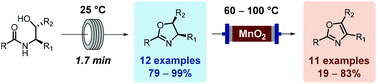
The rapid synthesis of oxazolines and their heterogeneous oxidation to oxazoles under flow conditions

 SYNTHESIS  Comments Off on The rapid synthesis of oxazolines and their heterogeneous oxidation to oxazoles under flow conditions
Jun 162015
 
C4OB02105C GA
The rapid synthesis of oxazolines and their heterogeneous oxidation to oxazoles under flow conditions Steffen Glöckner, Duc N. Tran, Richard J. Ingham, Sabine Fenner, Zoe E. Wilson, Claudio Battilocchio and Steven V. Ley DOI: 10.1039/C4OB02105C, Paper From themed collection Recent Advances in Flow Synthesis and Continuous Processing

The rapid synthesis of oxazolines and their heterogeneous oxidation to oxazoles under flow conditions

*Corresponding authors
aDepartment of Chemistry, University of Cambridge, Lensfield Road, Cambridge CB2 1EW, UK
E-mail: [email protected] Web: http://www.leygroup.ch.cam.ac.uk/
Org. Biomol. Chem., 2015,13, 207-214

DOI: 10.1039/C4OB02105C

A rapid flow synthesis of oxazolines and their oxidation to the corresponding oxazoles is reported. The oxazolines are prepared at room temperature in a stereospecific manner, with inversion of stereochemistry, from β-hydroxy amides using Deoxo-Fluor®. The corresponding oxazoles can then be obtained via a packed reactor containing commercial manganese dioxide
image file: c4ob02105c-f1.tif
Fig. 1 Oxazoline- and oxazole-containing natural products.
image file: c4ob02105c-s1.tif
Scheme 1 Optimised conditions for the flow synthesis of oxazolines.
image file: c4ob02105c-s2.tif
Scheme 2 Microchip reaction for the preparation of oxazolines.
image file: c4ob02105c-s3.tif
Scheme 3 Platform set up for the scale up experiment.
image file: c4ob02105c-s4.tif
Scheme 4 Flow oxidation of aryl-oxazolines using activated MnO2.
image file: c4ob02105c-s5.tif
Scheme 5 Flow oxidation of 2-alkyl-oxazolines using amorphous MnO2a[thin space (1/6-em)]Deprotection was observed.
image file: c4ob02105c-s6.tif
Scheme 6 Automated oxidation of oxazolines using a Raspberry Pi® computer and a multiple position valve.
Table 1 Flow cyclodehydration of β-hydroxy amides using Deoxo-Fluor®
Entrya Substrate Product Isolated yieldb
a Reactions were run on a 2 mmol scale. b Compounds were isolated without purification. c The crude material was passed through a plug of calcium carbonate/silica in place of an aqueous work up. d Total flow rate = 10 mL min−1 with 2.6 eq. of Deoxo-Fluor®.
1 image file: c4ob02105c-u1.tif 1a image file: c4ob02105c-u2.tif 2a 98%
2 image file: c4ob02105c-u3.tif 1b image file: c4ob02105c-u4.tif 2b 98%
3 image file: c4ob02105c-u5.tif 1c image file: c4ob02105c-u6.tif 2c 79%c
4 image file: c4ob02105c-u7.tif 1d image file: c4ob02105c-u8.tif 2d 98%
5 image file: c4ob02105c-u9.tif 1e image file: c4ob02105c-u10.tif 2e 99%
6 image file: c4ob02105c-u11.tif 1f image file: c4ob02105c-u12.tif 2f 95%
7 image file: c4ob02105c-u13.tif 1g image file: c4ob02105c-u14.tif 2g 98%
8 image file: c4ob02105c-u15.tif 1h image file: c4ob02105c-u16.tif 2h 92%
9 image file: c4ob02105c-u17.tif 1i image file: c4ob02105c-u18.tif 2i 95%
10 image file: c4ob02105c-u19.tif 1j image file: c4ob02105c-u20.tif 2j 60%
11 image file: c4ob02105c-u21.tif 1k image file: c4ob02105c-u22.tif 2k 85%d
12 image file: c4ob02105c-u23.tif 1l image file: c4ob02105c-u24.tif 2l 92%d

………………………………………     image file: c4ob02105c-u2.tif2a

General protocol for the preparation of oxazoline in flow

A solution of Deoxo-Fluor® (1 mL, 50% in toluene) in CH2Cl2 (7.0 mL) and a solution of β-hydroxy amide (2 mmol) in CH2Cl2 (8 mL) were combined at a T-piece (each stream run at 3.0 mL min−1) and reacted at rt in a 10 mL PFA reactor coil. The combined stream was then directed to an aqueous quenching stream (9 mL min−1) and the solution directed to a liquid/liquid separator.22

(4S,5S)-5-Methyl-2-phenyl-4,5-dihydro-oxazole-4-carboxylic acid methyl ester (2a).
image file: c4ob02105c-u2.tif2a
 1H-NMR (600 MHz, CDCl3) δ = 7.98–7.96 (m, 2H), 7.49–7.46 (m, 1H), 7.40–7.38 (m, 2H), 5.05 (dq, 1H, J= 10.2, 6.4 Hz), 4.97 (d, 1H, J = 10.2 Hz), 3.76 (s, 3H), 1.37 (d, 3H, J = 6.5 Hz); 
13C-NMR (151 MHz, CDCl3) δ = 170.5, 166.2, 131.9, 128.6, 128.4, 127.3, 77.7, 71.8, 52.2, 16.3; 
HR-MS (ESI+) for C12H14NO3+ [M + H]+ calc.: 220.0974, found: 220.0981; 
FT-IR neat, [small nu, Greek, tilde] (cm−1) = 2953, 1736, 1645, 1603, 1580, 1496, 1450, 1384, 1349, 1244, 1197, 1174, 1067, 1045, 1001, 973, 934, 904, 886, 851, 778, 695; 
specific rotation: [α]24.1D = +58.58° cm3 g−1 dm−1 (c = 8.5 in ethanol). Lit.: [α]20D = +69.4° cm3 g−1 dm−1 (c = 8.5 in EtOH).39
39…………H. Aït-Haddou, O. Hoarau, D. Cramailére, F. Pezet, J.-C. Daran and G. G. A. Balavoine, Chem. – Eur. J., 2004, 10, 699–707
Portrait of zw261

Dr Zoe Wilson

Post Doctoral Research Associate in the group of Professor Steven V. Ley working on the synthesis of complex natural products and synthetic methodology.

College Lecturer and Fellow at Murray Edwards College.

Research Group

Telephone number

01223 336698 (shared)

Email address

[email protected]

Zoe grew up on a farm in the small town of Warkworth, New Zealand. After completing her studies she moved to Auckland, New Zealand to attend the University of Auckland where she completed a Bachelor of Science in Medicinal Chemistry then a BSc (Hons) in Medicinal Chemistry under the supervision of Professor Margaret Brimble, working on the synthesis of anti-Helicobacter pylori compounds. She was then funded by a University of Auckland scholarship to carry out Ph.D. research with Professor Brimble into the synthesis of the extremophile natural product berkelic acid. Upon completion of her Ph.D. she was awarded a Newton International Fellowship from the Royal Society to move to the United Kingdom and join the research group of Professor Steven V. Ley in the Department of Chemistry, University of Cambridge. Upon completion of the two year Newton Fellowship, she was then employed as a Post-Doctoral Research Associate to continue working in the Ley group. While in Cambridge, she has been working on the total synthesis of the complex natural products azadirachtin and plantazolicins A and B, in the process developing novel chemistry. In October 2013 Zoe was appointed as a College Lecturer and Fellow at Murray Edwards College.

Teaching

Graduate Lecture Series – Reduction in Organic Chemistry (2 lectures) (2014, 2013)

Senior demonstrator Chemistry II laboratories (2014/2015)

Senior demonstrator Chemistry IB laboratories (2012/2013, 2013/2014)

College Lecturer at Murray Edwards College


Publications


12.          Zoe E. Wilson, Sabine Fenner and Steven V. Ley, “Total syntheses of linear poly-thiazole/oxazole plantazolicin A and its biosynthetic precursor plantazolicin B”, Angew. Chem. Int. Ed.201554, 1284 – 1288 DOI: 10.1002/anie.201410063R1

11.          Steffen Glöckner, Duc N. Tran, Richard J. Ingham, Sabine Fenner, Zoe E. Wilson, Claudio Battilocchio and Steven V. Ley, “The rapid synthesis of oxazolines and their heterogeneous oxidation to oxazoles under flow conditions”, Org. Biomol. Chem.,201513, 207–214, DOI: 10.1039/c4ob02105c

10.          Michael C. McLeod, Zoe E. Wilson and Margaret A. Brimble, “Formal synthesis of berkelic acid: a lesson in α-alkylation chemistry”, J. Org. Chem., 201277, 1, 400–416, DOI: 10.1021/jo201988m

9.            Michael C. McLeod, Margaret A. Brimble, Dominea C. K. Rathwell, Zoe E. Wilsonand Tsz-Ying Yuen, “Synthetic approaches to [5,6]-benzannulated spiroketal natural products”, Pure Appl. Chem.201284, 6, 1379-1390, DOI: 10.1351/PAC-CON-11-08-06

8.            Michael C. McLeod, Zoe E. Wilson and Margaret A. Brimble, “An enantioselective formal synthesis of berkelic acid”, Org. Lett.201113, 19, 5382 – 5385, DOI: 10.1021/ol202265g

7.            Zoe E. Wilson, Jonathan G. Hubert, Margaret A. Brimble, “A flexible approach to 6,5-benzannulated spiroketals”, Eur. J. Org. Chem.2011, 3938-3945, DOI: 10.1002/ejoc.201100345

6.            Jonathan Sperry, Yen-Cheng (William) Liu, Zoe E. Wilson, Jonathan G. Hubert, Margaret A. Brimble, “Synthesis of benzannulated spiroketals using an oxidative radical cyclization”, Synthesis20119, 1383-1398, DOI: 10.1055/s-003001259981

5.            Jonathan Sperry, Zoe E. Wilson, Dominea C. K. Rathwell and Margaret A. Brimble, “Isolation, biological activity and synthesis of benzannulated spiroketal natural products”, Nat. Prod. Rep.201027, 1117-1137, DOI: 10.1039/b911514p

4.            Zoe E. Wilson and Margaret A. Brimble, “A flexible asymmetric synthesis of the tetracyclic core of berkelic acid using a novel Horner-Wadsworth-Emmons/oxa-Michael cascade”, Org. Biomol. Chem., 20108, 1284-1286, DOI: 10.1039/B927219B

3.            Zoe E. Wilson and Margaret A. Brimble, “Molecules derived from the extremes of life”, Nat. Prod. Rep.200926, 44–71, DOI: 10.1039/b800164m

Featured as an Instant insight article in Chemical Biology (“Life at the extremes”,Chemical Biology20083, B95) and featured on the cover of the issue (Nat. Prod. Rep.,200926, 1-2, DOI: 10.1039/B821737H)

2.            Fiona J. Radcliff, John D. Fraser, Zoe E. Wilson, Amanda M. Heapy, James E. Robinson, Christina J. Bryant, Christopher L. Flowers, and Margaret A. Brimble, “Anti-Helicobacter pylori activity of derivatives of the phthalide-containing antibacterial agents spirolaxine methyl ether, CJ-12,954, CJ-13,013, CJ-13,102, CJ-13,104, CJ-13,108 and CJ-13,015”, Bioorg. Med. Chem.200816, 6179–6185, DOI: 10.1016/j.bmc.2008.04.037

1.            Zoe E. Wilson, Amanda M. Heapy and Margaret A. Brimble, “Synthesis of indole analogues of the anti-Helicobacter pylori compounds CJ-13,015, CJ-13,102, CJ-13,104 and CJ-13,108”, Tetrahedron200763, 5379–5385, DOI: 10.1016/j.tet.2007.04.067

Share

Flow Synthesis of Fluorinated α-Amino Acids

 SYNTHESIS  Comments Off on Flow Synthesis of Fluorinated α-Amino Acids
Jun 102015
 

thumbnail image: Flow Synthesis of Fluorinated α-Amino Acids

Dr. Susan Wilkinson, Deputy Editor for the European Journal of Organic Chemistry, talks to Professor Beate Koksch, Freie Universität Berlin, Germany, and Professor Peter Seeberger, Max Planck Institute of Colloids and Interfaces, Potsdam, Germany, about their article on the synthesis of fluorinated amino acids recently published in the European Journal of Organic Chemistry.

Flow Synthesis of Fluorinated α-Amino Acids

Dr. Wilkinson, European Journal of Organic Chemistry, talks to Professors Koksch and Seeberger about fluorinated amino acids

Read more

http://www.chemistryviews.org/details/ezine/7956531/Flow_Synthesis_of_Fluorinated_-Amino_Acids.html

 Professor Beate Koksch, Freie Universität Berlin, Germany,

.Prof. Dr. Beate Koksch

Institute of Chemistry and Biochemistry – Organic Chemistry 
Freie Universität Berlin 
Takustr. 3
14195 Berlin

Working Group: AG Koksch

Space: 32.18

Tel .: + 49-30-838-55344, Fax -55 644

Secretariat:
Tel .: + 49-30-838-55880
(woman Skowronski, room 32.17)

Email: Beate.Koksch (At)fu-berlin.de

.

Koksch ++49 – 30 – 838 55344

 e-mail

 homepage (http://userpage.chemie.fu-berlin.de/~akkoksch/)

Free University of Berlin
Takustr. 3
14195 Berlin
Germany

Nominated by

  • German Research Foundation (DFG)
  • AcademiaNet member since 13.03.2015

Employed by

  • Freie Universität Berlin

Academic Discipline/Fields

  • Natural sciences/ Engineering/ Agricultural sciences

Field

Chemistry

Area of specialisation

Organic and Natural Product Chemistry

Research interests

  • folding mechanisms occuring in neurodegenerative diseases
  • developing new multivalent scaffolds
  • investigating the impact of fluorine on amino acids, peptides and proteins

Distinctions and Awards

  • Georg Thieme publisher’s award, 2002Lessing medal in gold, 1986

………………………………………………..

Professor Peter Seeberger, Max Planck Institute of Colloids and Interfaces, Potsdam, Germany

Since 2011, Professor Peter H. Seeberger, Max Planck Institute of Colloids and Interfaces in Potsdam, Germany, is Editor-in-Chief of the Beilstein Journal of Organic Chemistry.

Editor-in-Chief of the Beilstein Journal of Organic Chemistry is Professor Peter H. Seeberger, Max Planck Institute of Colloids and Interfaces in Potsdam, Germany, who is supported by a distinguished board of associate editors, each of whom is responsible for a particular subject area within the journal’s scope. Over 40 scientists from all over the world, including several Nobel Prize laureates, support the Beilstein Journal of Organic Chemistry as Advisory Board members.

Prof. Dr. Peter H. Seeberger

Director
Phone:+49 30 838-59301Fax:+49 30 838-59302

German researchers develop cheap and high-yield process to manufacture anti-malaria drug

Jan 18, 2012

Researchers at the Max Planck Institute of Colloids and Interfaces in Potsdam and the Freie Universität Berlin have developed a very simple process for the synthesis of artemisinin – the best anti-malaria drug – more economically and in sufficient volumes for all patients. This means that it will be possible to provide medication for the 225 million malaria patients in developing countries at an affordable price.

An Anopheles female mosquito that transmits malariaAn Anopheles female mosquito that transmits malaria(© picture alliance/dpa Fotografia)Over one million people die of malaria each year because they do not have access to effective drugs.Millions, especially in the developing world, cannot afford the combination drug preparation, which consists mainly of artemisinin.

Moreover, the price for the medication varies, as this substance is isolated from sweet wormwood (Artemisia annua) which grows mainly in China and Vietnam, and varies seasonally in its availability.

Pharmaceutical companies could only obtain the drug from plants up to now. The chemists use a waste product from current artemisinin production as their starting substance. This substance can also be produced biotechnologically in yeast, which the scientists convert into the active ingredient using a simple yet very ingenious method.

This may be about to change. Peter H. Seeberger, Director at the Max Planck Institute of Colloids and Interfaces in Potsdam and Professor of Chemistry at the Freie Universität Berlin and his colleague François Lévesque have discovered a very simple way of synthesising the artemisinin molecule, which is known as an anti-malaria drug from traditional Chinese medicine and has an extremely complex chemical structure. “The production of the drug is therefore no longer dependent on obtaining the active ingredient from plants,” says Peter Seeberger.

Synthesis from a by-product of artemisinin production

As a starting point, the chemists use artemisinic acid – a substance produced as a hitherto unused by-product from the isolation of artemisinin from sweet wormwood, which is produced in volumes ten times greater than the active ingredient itself. Moreover, artemisinic acid can easily be produced in genetically modified yeast as it has a much simpler structure. “We convert the artemisinic acid into artemisinin in a single step,” says Peter Seeberger. “And we have developed a simple apparatus for this process, which enables the production of large volumes of the substance under very controlled conditions.”

The effect of the molecule, which not only targets malaria but possibly also other infections and even breast cancer, is due to, among other things, a very reactive chemical group formed by two neighbouring oxygen atoms – which chemists refer to as an endoperoxide. Peter Seeberger and François Lévesque use photochemistry to incorporate this structural element into the artemisinic acid. Ultraviolet light converts oxygen into a form that can react with molecules to form peroxides.

800 photoreactors should suffice to cover the global requirement for artemisinin

Dr. Peter H. Seeberger, Director at the Max Planck Institute of Colloids and Interfaces in Potsdam and Professor of Chemistry at the Freie Universität BerlinDr. Peter H. Seeberger, Director at the Max Planck Institute of Colloids and Interfaces in Potsdam and Professor of Chemistry at the Freie Universität Berlin(© dpa)“Photochemistry is a simple and cost-effective method. However, the pharmaceutical industry has not used it to date because it was so difficult to control and implement on a large scale,” explains Peter Seeberger.

“The fact that we do not carry out the synthesis as a one-pot reaction in a single vessel, but in a continuous-flow reactor enables us to define the reaction conditions down to the last detail,” explains Peter Seeberger.

After just four and a half minutes a solution flows out of the tube, in which 40 percent of the artemisinic acid has become artemisinin. “We assume that 800 of our simple photoreactors would suffice to cover the global requirement for artemisinin,” says Peter Seeberger. And it could all happen very quickly. Peter Seeberger estimates that the innovative synthesis process could be ready for technical use in a matter of six months. This would alleviate the global shortage of artemisinin and exert considerable downward pressure on the price of the associated drugs…….see        http://www.india.diplo.de/Vertretung/indien/en/__pr/Edu__Science__News/Malaria__drug.html


Max Planck Institute for Colloids and Interfaces

Peter Seeberger2


Peter Seeberger

Department of Biomolecular Systems
Max Plank Institute for Colloids and Interfaces
(Potsdam, Germany)
[email protected]

http://www.peter-seeberger.de/

The core interests our research program currently address the following areas:

Automated oligosaccharide synthesis

  • Rapid access to monosaccharide by de-novo synthesis
  • New protecting groups
  • New Glycosylating Agents
  • New linkers for solid phase carbohydrate synthesis
  • Assembly of complex structures (in particular N-Glycans, O-Glycans)
  • Optimization of steps followingthe assembly, like deprotection, modification and conjugation

Total Synthesis of Biologically Important Oligosaccharides

  • Tumor-associated antigens
  • HIV-related oligosaccharides
  • Bacterial cell-surface antigens
  • N-linked glycoproteins

Chemical Synthesis and Biochemistry of Proteoglycans

  • Modular synthesis of heparin/heparan sulfates
  • Creation of heparin microarray
  • Optimization of the building blocks synthesis
  • Study of the SAR (structure-activity relationship) and the interactions between Proteoglycans and proteins
  • Automated synthesis of heparin fragments

Total Synthesis and Biological Activity of Glycosylphosphatidylinositols (GPIs)

  • Total syntheses of GPIs
  • Development of a synthetic GPI malarial vaccine
  • Elucidation of the biosynthesis of GPI
  • Immunological response to synthetic GPIs

Development of Cabohydrate-based Vaccines

  • A fully synthetic malaria vaccine
  • Leishmania vaccine
  • Synthetic HIV vaccine
  • Synthetic TB vaccine

Microreactors for Organic Synthesis

  • (Automated) Synthesis in continuous flow Microreactors
  • Photochemistry in Microflow reactors
  • Catalysis in Microreactors

Carbohydrate Microarrays

De novo synthesis

Nanoparticules and Colloidal Polymers

  • Quantum dots
  • Supramolecular dendrimers
  • Emulsion polymerization of nanoparticules

http://www.theguardian.com/technology/2012/feb/05/malaria-drug-synthesis-peter-seeberger

.

take a tour

Potsdam, Germany

  1. Potsdam – Wikipedia, the free encyclopedia

    en.wikipedia.org/wiki/Potsdam

    Potsdam (German pronunciation: [ˈpɔtsdam] ( listen)), is the capital city of the German federal state of Brandenburg. It directly borders the German capital Berlin  …

Map of potsdam germany


//////////////

Share

Synthesis of Phospholipopeptides

 SYNTHESIS  Comments Off on Synthesis of Phospholipopeptides
Jun 102015
 

thumbnail image: Synthesis of Phospholipopeptides

Synthesis of Phospholipopeptides

A crosslinking approach for the synthesis of phospholipopeptides under mild conditions

Read more

http://www.chemistryviews.org/details/news/7984971/Synthesis_of_Phospholipopeptides.html

Bonan Li and Jun F. Liang, Stevens Institute of Technology, Hoboken, NJ, USA, report an approach to synthesize phospholipopeptides. They use a crosslinker with a thiol-reactive maleimide and an amine-reactive N-hydroxysuccinimide ester (pictured). Hence, the molecule is able to link the thiol group of the amino acid cystein in the peptide and the amine group of the phospholipid (phosphatidylamine).

Share

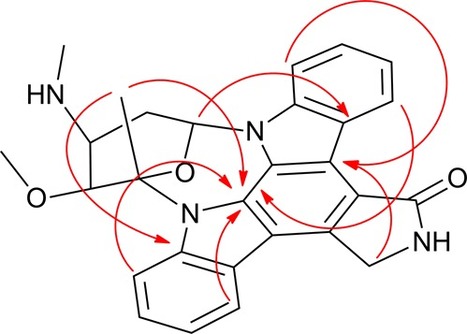
NMR Structure Elucidation of Small Organic Molecules and Natural Products: Choosing ADEQUATE vs HMBC

 Uncategorized  Comments Off on NMR Structure Elucidation of Small Organic Molecules and Natural Products: Choosing ADEQUATE vs HMBC
Jun 092015
 
Abstract Image

Long-range heteronuclear shift correlation methods have served as the cornerstone of modern structure elucidation protocols for several decades. The 1H–13C HMBC experiment provides a versatile and relatively sensitive means of establishing predominantly 3JCHconnectivity with the occasional 2JCH or 4JCH correlation being observed. The two-bond and four-bond outliers must be identified specifically to avoid spectral and/or structural misassignment. Despite the versatility and extensive applications of the HMBC experiment, it can still fail to elucidate structures of molecules that are highly proton-deficient, e.g., those that fall under the so-called “Crews rule”. In such cases, recourse to the ADEQUATE experiments should be considered. Thus, a study was undertaken to facilitate better investigator understanding of situations where it might be beneficial to apply 1,1- or 1,n-ADEQUATE to proton-rich or proton-deficient molecules. Equipped with a better understanding of when a given experiment might be more likely to provide the necessary correlation data, investigators can make better decisions on when it might be advisible to employ one experiment over the other. Strychnine (1) and cervinomycin A2 (2) were employed as model compounds to represent proton-rich and proton-deficient classes of molecules, respectively. DFT methods were employed to calculate the relevant nJCHheteronuclear proton–carbon and nJCC homonuclear carbon–carbon coupling constants for this study.

NMR Structure Elucidation of Small Organic Molecules and Natural Products: Choosing ADEQUATE vs HMBC

† Discovery and Preclinical Sciences, Process and Analytical Chemistry, NMR Structure Elucidation, Merck Research Laboratories, Kenilworth, New Jersey 07033, United States
‡ Discovery and Preclinical Sciences, Process and Analytical Chemistry, NMR Structure Elucidation, Merck Research Laboratories, Rahway, New Jersey 07065, United States
J. Nat. Prod., 2014, 77 (8), pp 1942–1947
DOI: 10.1021/np500445s
*Tel: 908-740-3990. Fax: 908-740-4042. E-mail: [email protected].
more from my collection
Using HMBC and ADEQUATE NMR Data To Define and Differentiate Long-Range Coupling Pathways: Is the Crews Rule Obsolete?
It is well known that as molecules become progressively more proton-deficient, structure elucidation becomes correspondingly more challenging. When the ratio of 1H to 13C and the sum of other heavy atoms falls below 2, an axiom that has been dubbed the “Crews rule” comes into play. The general premise of the Crews rule is that highly proton-deficient molecules may have structures that are difficult, and in some cases impossible, to elucidate using conventional suites of NMR experiments that include proton and carbon reference spectra, COSY, multiplicity-edited HSQC, and HMBC (both 1H–13C and 1H–15N). However, with access to modern cryogenic probes and microcyroprobes, experiments that have been less commonly utilized in the past and new experiments such as inverted 1JCC 1,n-ADEQUATE are feasible with modest sized samples. In this light, it may well be time to consider revising the Crews rule. The complex, highly proton-deficient alkaloid staurosporine (1) is used as a model proton-deficient compound for this investigation to highlight the combination of inverted 1JCC 1,n-ADEQUATE with 1.7 mm cryoprobe technology.

Using HMBC and ADEQUATE NMR Data To Define and Differentiate Long-Range Coupling Pathways: Is the Crews Rule Obsolete?

Gary E Martin
† Discovery and Preclinical Sciences, Process and Analytical Chemistry, Structural Elucidation Group, Merck Research Laboratories, Kenilworth, New Jersey 07033, United States
‡ Discovery and Preclinical Sciences, Process and Analytical Chemistry, Structural Elucidation Group, Merck Research Laboratories, Rahway, New Jersey 07065, United States
§ Discovery and Preclinical Sciences, Process and Analytical Chemistry, Structural Elucidation Group, Merck Research Laboratories, Summit, New Jersey 07901, United States
J. Nat. Prod., 2013, 76 (11), pp 2088–2093
DOI: 10.1021/np400562u
Publication Date (Web): November 6, 2013
Copyright © 2013 The American Chemical Society and American Society of Pharmacognosy
*Phone: 908-473-5398. Fax: 908-473-6559. E-mail: [email protected].
TAKE A TOUR
Austral Islands
Map of australs
Tubuai is in the Austral Archipelago. These island chains are spread out over an area the size of Europe with 120 islands in all, 25 of which that are …
////////
Share

Juliana Aristéia de Lima

 SYNTHESIS, Uncategorized  Comments Off on Juliana Aristéia de Lima
Jun 062015
 

.

Juliana ARISTÉIA DE LIMA,

PhD in Chemistry (31, Brazil)

Juliana Aristéia de Lima holds a Ph.D. in chemistry and is currently conducting research at the State University of Campinas, located in the state of São Paulo in Southeast Brazil. She works on the development of biodegradable polymers blends (biopolymers).

State University of Campinas, Brazil


LINKS

http://www.researchgate.net/profile/Juliana_De_Lima2


Research focus: Sustainable management in the chemical industry

Juliana Aristéia de Lima holds a Ph.D. in chemistry and is currently conducting research at the State University of Campinas, located in the state of São Paulo in Southeast Brazil. She works on the development of biodegradable polymers blends (biopolymers). Polymers are ubiquitous in modern everyday life, most notably in the form of plastics. Because of that, it is essential for the future that they don’t constitute a waste problem in the way they often have in the past, but instead degrade in the way natural materials like paper or food would.

With her research, Juliana Aristéia de Lima addresses an important topic in the area of sustainable resource management. In the future, the Brazilian researcher also hopes to work on conductive ionic liquids, which could serve as solvents for preparation of polymer membranes. She is aspiring to a postdoctoral research position in Germany and wants to make new contacts with German experts in industry and academia for that purpose.

Universidade Estadual de Campinas


Map of unicamp

.

.

.


Take a tour

SOLOMON ISLANDS

HONIARA

Image result for solomon island

Malaita, Solomon Islands …


.

http://graphics8.nytimes.com/images/2010/10/12/science/12saw_street/12saw_street-articleInline.jpg

.

Gizo, on Ghizo Island, is the capital of the Solomon Islands’ far-flung Western Province, a paradise of coral cays, atolls, lagoons and volcanic islands east of Papua New Guinea where, on a rainy day in late July, crowds flocked to the local netball court for the opening of the inaugural Akuila Talasasa Arts Festival.


Motorised canoes lined up in Gizo Harbour near the daily marketplace. Picture: David May

Motorised canoes lined up in Gizo Harbour near the daily marketplace.


.

Gizo Hotel, the best accommodation on Ghizo Island. Picture: David May

Vona Vona Lagoon and the beach at Zipolo Habu Resort on Lola Island. Picture: David May

Water views from Zipolo Habu Resort on Lola Island. Picture: David May

/////////

Share

The Water Purification Process

 Uncategorized  Comments Off on The Water Purification Process
Jun 042015
 

The Water Purification Process

Water purification is the process of removing undesirable chemicals, biological contaminants, suspended solids and gases from contaminated water. The goal is to produce water fit for a specific purpose. Most water is disinfected for human consumption (drinking water), but water purification may also be designed for a variety of other purposes, including fulfilling the requirements of medical, pharmacological, chemical and industrial applications. The methods used include physical processes such as filtrationsedimentation, anddistillation; biological processes such as slow sand filters or biologically active carbon; chemical processes such as flocculation andchlorination and the use of electromagnetic radiation such as ultraviolet light.

Purifying water may reduce the concentration of particulate matter including suspended particlesparasitesbacteriaalgaevirusesfungi, as well as reducing the amount of a range of dissolved and particulate material derived from the surfaces that come from runoff due torain.

The standards for drinking water quality are typically set by governments or by international standards. These standards usually include minimum and maximum concentrations of contaminants, depending on the intended purpose of water use.

Visual inspection cannot determine if water is of appropriate quality. Simple procedures such as boiling or the use of a household activated carbon filter are not sufficient for treating all the possible contaminants that may be present in water from an unknown source. Even natural spring water – considered safe for all practical purposes in the 19th century – must now be tested before determining the kind of treatment, if any, is needed. Chemical and microbiological analysis, while expensive, are the only way to obtain the information necessary for deciding on the appropriate method of purification.

According to a 2007 World Health Organization (WHO) report, 1.1 billion people lack access to an improved drinking water supply, 88 percent of the 4 billion annual cases ofdiarrheal disease are attributed to unsafe water and inadequate sanitation and hygiene, while 1.8 million people die from diarrheal diseases each year. The WHO estimates that 94 percent of these diarrheal cases are preventable through modifications to the environment, including access to safe water.[1] Simple techniques for treating water at home, such as chlorination, filters, and solar disinfection, and storing it in safe containers could save a huge number of lives each year.[2] Reducing deaths from waterborne diseases is a major public health goal in developing countries.


Water purity is extremely important to pharmaceutical and biochemical industries. Suspended or dissolved particles, organic compounds, impurities and other contaminants prohibit the usage of tap water in laboratory applications and scientific research. Parameters such as resistivity, conductivity, size of particulate matter and concentration of microorganisms are used to categorize water quality and, therefore, specify intended uses for water. Some applications can tolerate the presence of specific impurities in the water, but others, such as High Performance Liquid Chromatography (HPLC) require removal of the majority of contaminants.


Waterdia1
Contaminants

Water is an excellent solvent and can be sourced from almost anywhere on Earth. This property makes it prone to all kinds of contamination.

  • Particulates: Silt and debris which can be removed by passing water through a 10 to 20 micron filter (or less if necessary).
  • Microorganisms: Bacterial agents constitute a real challenge for water purification systems. Their growth rate, size and robustness require an efficient design (detection, removal from water inlet, inhibition of growth, etc.). Bacteria are measured in colony forming units per milliliter and can be killed with disinfectants. As a result, their secretions and cellular fragments must also be removed to avoid contamination.
  • Endotoxins, pyrogens, DNA and RNA: Cellular fragments and bacterial by-products. Harmful to tissue cultures. Can be detected with a Limus Amoebocyte Lysate (LAL) test.
  • Dissolved inorganic elements: Include phosphates, nitrates, calcium and magnesium, carbon dioxide, silicates, iron, chloride, fluoride, and any other natural or man-made chemicals resulting from exposure to the environment. Electrical conductivity (μSiemens/cm) is used to monitor high concentration of ions, while resistivity (MÙcm) is used to identify ions if present in small concentrations. These contaminants affect water hardness and alkalinity/acidity.
  • Dissolved organic elements: Pesticides, plant and animal remains or fragments. Total Organic Carbon (TOC) analyzers are used to measure CO2 emitted by organics subjected to oxidization. Organic-free water is mainly used in applications where analysis of organic substances is carried out (e.g. HPLC, chromatography and mass spectrometry).

Scientific applications require elimination of certain types of contaminants. On the other hand, pharmaceutical productions require, in most cases, near-total removal of impurities (criteria dictated by specific standards or local/international regulatory bodies).


water purification screen
Purification Process

There are a number of methods commonly used to purify water. Their effectiveness is linked to the type of contaminant being treated and the type of application the water will be used for.

  • Filtration: This process can take the form of any of the following:
    • Coarse filtration: Also called particle filtration, it can utilize anything from a 1 mm sand filter, to a 1 micron cartridge filter.
    • Micro filtration: Uses 1 to 0.1 micron devices to filter out bacteria. A typical implementation of this technique can be found in the brewing process.
    • Ultra filtration: Removes pyrogens, endotoxins, DNA and RNA fragments.
    • Reverse osmosis: Often referred to as RO, reverse osmosis is the most refined degree of liquid filtration. Instead of a filter, it uses a porous material acting as a unidirectional sieve that can separate molecular-sized particles.
  • Distillation: Oldest method of purification. Inexpensive but cannot be used for an on-demand process. Water must be distilled and then stored for later use, making it again prone to contamination if not stored properly.
  • Activated carbon adsorption: Operates like a magnet on chlorine and organic compounds.
  • Ultraviolet radiation: At a certain wavelength, this might cause bacteria to be sterilized and other micro organics to be broken down.
  • Deionization: Also known as ion exchange, it is used for producing purified water on-demand, by passing water through resin beds. Negatively charged (cationic) resin removes positive ions, while positively charged one (anionic) removes negative ions. Continuous monitoring and maintenance of the cartridges can produce the purest water.
Hot Water Sanitization

Sanitization of water purification equipment with hot water is achieved via an appropriate combination of exposure time and temperature. A primary use for this process is to deactivate viable microbes. It is worth mentioning that Endotoxin reduction is not achieved as a direct result of the hot water sanitization process.
Based on the feed water source, system operating conditions and the end-user’s operating and maintenance procedures, traditional chemical cleaning processes may still be required.
Sanitization using hot water involves incorporating heat exchangers into the traditional clean in place (CIP) system to gradually heat and cool water circulating through the reverse osmosis membrane system. Membrane manufacturers commonly stipulate a controlled heating and cooling rate to protect against irreversible damage to the membrane and ensure the system’s long-term performance.
A typical hot water sanitization sequence would consist of the following phases:

  • Initialization (conditions checking)
  • Heating
  • Holding
  • Cooling

A control system must therefore provide flexibility in the way in which accurate and repeatable control of the sterilization is achieved and will

include the following features:

  • Precise loop control with setpoint profile programming
  • Sequential control for sanitation/sterilization
  • Onscreen operator messaging
  • Duty standby pump control
  • Secure collection of on-line data from the purified water system for analysis and evidence
  • Local operator display with clear graphics and controlled access to parameters


Control room and schematics of the water purification plant to Lac de Bret, Switzerland

Bottle for distilled water in theFarmacia Real in Madrid

Large cation/anion ion exchangersused in demineralization of boiler feedwater


Pharmaceuticals can enter the water supply in a variety of ways. Debates continue over how dangerous this is. Source: GAO

Information sheet: Pharmaceuticals in drinking-water

(This information sheet is a summary of the key findings, recommendations and conclusions of the WHO technical report on Pharmaceuticals in drinking-water and the inputs of additional expert peer-reviewers)

Background and scope

Pharmaceuticals are synthetic or natural chemicals that can be found in prescription medicines, over-the-counter therapeutic drugs and veterinary drugs. Pharmaceuticals contain active ingredients that have been designed to have pharmacological effects and confer significant benefits to society. Pharmaceuticals can be introduced into water sources through sewage, which carries the excreta of individuals and patients who have used these chemicals, from uncontrolled drug disposal (e.g. discarding drugs into toilets) and from agricultural runoff comprising livestock manure. They have become chemicals of emerging concern to the public because of their potential to reach drinking-water.

Occurrence of pharmaceuticals in drinking-water

The ubiquitous use of pharmaceuticals (both prescribed and over the counter) has resulted in a relatively continuous discharge of pharmaceuticals and their metabolites into wastewater. In addition, pharmaceuticals may be released into water sources in the effluents from poorly controlled manufacturing or production facilities, primarily those associated with generic medicines.

Following advances in the sensitivity of analytical methods for the measurement of these chemicals at very low concentrations, a number of studies found trace concentrations of pharmaceuticals in wastewater, various water sources and some drinking-waters. Concentrations in surface waters, groundwater and partially treated water were typically less than 0.1 µg/l (or 100 ng/l), whereas concentrations in treated water were generally below 0.05 µg/l (or 50 ng/l). These investigations suggested that pharmaceuticals are present, albeit at trace concentrations, in many water sources receiving wastewater effluents.

The presence of specific pharmaceuticals in a water source will vary from place to place depending upon the type of pharmaceutical and the extent of discharge into water bodies. Key factors include the pharmaceuticals prescribed, used or manufactured in the area and the size of the population in the catchment. The occurrence and concentration of pharmaceuticals in receiving water sources, which are the primary pathway into drinking-water, are dependent on dilution, natural attenuation and the degree of wastewater treatment applied.

Risk assessment of pharmaceuticals in drinking-water

There are currently few systematic monitoring programmes or comprehensive studies available on human exposure to pharmaceuticals from drinking-water. Therefore, a key challenge in assessing the potential human health risk associated with exposure to very low concentrations of pharmaceuticals in drinking-water is the limited occurrence data available for the diverse group of pharmaceuticals in use today and their active metabolites.

However, several approaches for screening and prioritizing pharmaceuticals for human health risk assessment for exposure through drinking-water have been published in the peer-reviewed literature. These approaches usually apply the principle of the “minimum therapeutic dose” (also known as the “lowest clinically effective dose”) or the acceptable daily intake, in conjunction with safety factors or uncertainty factors for different groups of pharmaceuticals, to derive a margin of safety, or margin of exposure, between the worst-case exposure observed or predicted and the minimum therapeutic dose or acceptable daily intake.

Current observations suggest that it is very unlikely that exposure to very low levels of pharmaceuticals in drinking-water would result in appreciable adverse risks to human health, as concentrations of pharmaceuticals detected in drinking-water (typically in the nanogram per litre range) are several orders of magnitude (typically more, and often much more, than 1000-fold) lower than the minimum therapeutic dose.

Control measures and risk management

Concentrations of the vast majority of pharmaceuticals in the water environment can be reduced through natural processes (e.g. adsorption onto sediment, solar photodegradation and biological degradation) or during subsequent drinking-water and wastewater treatment processes.

Despite their unique pharmacological properties, pharmaceuticals respond to treatment no differently from other organic chemicals, with removal rates depending on their physicochemical properties and the treatment technology being used. Conventional water treatment processes, such as chlorination, can remove approximately 50% of these compounds, whereas more advanced treatment processes, such as ozonation, advanced oxidation, activated carbon, nanofiltration and reverse osmosis, can achieve higher removal rates; reverse osmosis, for example, can remove more than 99% of large pharmaceutical molecules.

Funding for any water safety improvements, like any public health intervention, draws on limited resources that need to be carefully allocated with due consideration of their beneficial impact. However, implementing additional specialized and costly drinking-water treatment, specifically with the intention of reducing trace concentrations of pharmaceuticals, is not considered necessary at this time, as the human health benefit would be limited.

The most appropriate approach to minimize the presence of pharmaceuticals in drinking-water and reduce human exposure is to prevent or reduce their entry into the water environment as far as reasonably practical. This can be achieved through a combination of preventive measures, including enhanced communication to the public on rational drug use and disposal of pharmaceuticals (e.g. avoid flushing unused drugs down the toilet), education for prescribers and systematic drug take-back programmes.

However, in line with the water safety plan principle of control of contaminants at the source, it would be appropriate to investigate improvements in wastewater treatment to remove pharmaceuticals and other potential contaminants of concern from their main route of entry into the water environment.

Monitoring of pharmaceuticals in water

In the absence of regulatory mandates, routine monitoring for pharmaceuticals in water sources and drinking-water on a national basis would not be desirable except in cases where local circumstances indicate a potential for elevated concentrations (e.g. manufacturing facilities with uncontrolled effluent discharge upstream of a drinking-water source). In these circumstances, investigative monitoring of, for example, surface water, groundwater and wastewater effluent can be undertaken to assess possible occurrence levels and exposure; if necessary, screening values can be developed in conjunction with an assessment of the potential risks to human health from exposure through drinking-water.

Based on the results of this risk assessment, an evaluation of possible control options could be considered as part of a water safety plan. Practical difficulties associated with implementing monitoring programmes for pharmaceuticals include the lack of standardized sampling and analysis protocols, high costs and the limited availability of the analytical instruments required to measure the diverse range of pharmaceuticals that may be present.

Investigative surveys should be tailored to local circumstances, taking into account existing wastewater and water treatment processes and pharmaceuticals (and their metabolites) that are commonly prescribed, used or manufactured within the catchment area of concern. Such studies should be carried out with appropriate rigorous quality assurance and verification and designed to confirm whether drinking-water is a significant risk.

Knowledge gaps

Although current risk assessments indicate that the very low concentrations of pharmaceuticals found in drinking-water are very unlikely to pose any appreciable risks to human health, knowledge gaps exist. These include the assessment of risks to human health associated with long-term exposure to low concentrations of pharmaceuticals and the possible combined effects of mixtures of pharmaceuticals.

Although the margins of exposure are substantial, it would be of value to ensure that these margins are adequate for possibly sensitive subpopulations and to better characterize health risks, if any, from long-term, low-level exposures. In addition, future research should focus on developing methods or protocols for prioritizing pharmaceuticals in the context of an overall risk assessment for all drinking-water hazards.

Summary

Currently, analysis of the available data indicates that there is a substantial margin of safety between the very low concentrations of pharmaceuticals that would be consumed in drinking-water and the minimum therapeutic doses, which suggests a very low risk to human health. Based on this finding, the development of formal health-based guideline values for pharmaceuticals in the World Health Organization’s (WHO) Guidelines for drinking-water quality is currently not considered to be necessary.

Concerns over pharmaceuticals in drinking-water should not divert water suppliers and regulators from other priorities for drinking-water and health, most notably microbial risks, such as bacterial, viral and protozoan pathogens, and other chemical risks, such as naturally occurring arsenic and excessive levels of fluoride.

SOUTH AFRICAN CUISINE


ANTHONY MELVIN CRASTO
THANKS AND REGARD’S
DR ANTHONY MELVIN CRASTO Ph.D
MOBILE-+91 9323115463
GLENMARK SCIENTIST ,  INDIA
web link

http://anthonycrasto.jimdo.com/

Congratulations! Your presentation titled “Anthony Crasto Glenmark scientist, helping millions with websites” has just crossed MILLION views.
アンソニー     安东尼   Энтони    안토니     أنتوني
join my process development group on google
you can post articles and will be administered by me on the google group which is very popular across the world
LinkedIn group
 
blogs are
 
shark

DRUG APPROVALS BY DR ANTHONY MELVIN CRASTO …..FOR BLOG HOME CLICK HERE

Join me on Linkedin

View Anthony Melvin Crasto Ph.D's profile on LinkedIn

Join me on Facebook FACEBOOK

Join me on twitterFollow amcrasto on Twitter
Join me on google plus Googleplus

 [email protected]

Share

Spray drying

 drugs, GENERIC, SYNTHESIS  Comments Off on Spray drying
Jun 042015
 

Laboratory-scale spray dryer.
A=Solution or suspension to be dried in, B=Atomization gas in, 1= Drying gas in, 2=Heating of drying gas, 3=Spraying of solution or suspension, 4=Drying chamber, 5=Part between drying chamber and cyclone, 6=Cyclone, 7=Drying gas is taken away, 8=Collection vessel of product, arrows mean that this is co-current lab-spraydryer

Spray drying is a method of producing a dry powder from a liquid or slurry by rapidly drying with a hot gas. This is the preferred method of drying of many thermally-sensitive materials such as foods and pharmaceuticals. A consistent particle size distribution is a reason for spray drying some industrial products such as catalysts. Air is the heated drying medium; however, if the liquid is a flammable solvent such as ethanol or the product is oxygen-sensitive then nitrogen is used.[1]

All spray dryers use some type of atomizer or spray nozzle to disperse the liquid or slurry into a controlled drop size spray. The most common of these are rotary disks and single-fluid high pressure swirl nozzles. Atomizer wheels are known to provide broader particle size distribution, but both methods allow for consistent distribution of particle size.[2] Alternatively, for some applications two-fluid or ultrasonic nozzles are used. Depending on the process needs, drop sizes from 10 to 500 µm can be achieved with the appropriate choices. The most common applications are in the 100 to 200 µm diameter range. The dry powder is often free-flowing.[3]

The most common spray dryers are called single effect as there is only one drying air on the top of the drying chamber (see n°4 on the scheme). In most cases the air is blown in co-current of the sprayed liquid. The powders obtained with such type of dryers are fine with a lot of dusts and a poor flowability. In order to reduce the dusts and increase the flowability of the powders, there is since over 20 years a new generation of spray dryers called multiple effect spray dryers. Instead of drying the liquid in one stage, the drying is done through two steps: one at the top (as per single effect) and one for an integrated static bed at the bottom of the chamber. The integration of this fluidized bed allows, by fluidizing the powder inside a humid atmosphere, to agglomerate the fine particles and to obtain granules having commonly a medium particle size within a range of 100 to 300 µm. Because of this large particle size, these powders are free-flowing.

The fine powders generated by the first stage drying can be recycled in continuous flow either at the top of the chamber (around the sprayed liquid) or at the bottom inside the integrated fluidized bed. The drying of the powder can be finalized on an external vibrating fluidized bed.

The hot drying gas can be passed as a co-current or counter-current flow to the atomiser direction. The co-current flow enables the particles to have a lower residence time within the system and the particle separator (typically a cyclone device) operates more efficiently. The counter-current flow method enables a greater residence time of the particles in the chamber and usually is paired with a fluidized bed system.

Alternatives to spray dryers are:[4]

  1. Freeze dryer: a more-expensive batch process for products that degrade in spray drying. Dry product is not free-flowing.
  2. Drum dryer: a less-expensive continuous process for low-value products; creates flakes instead of free-flowing powder.
  3. Pulse combustion dryer: A less-expensive continuous process that can handle higher viscosities and solids loading than a spray dryer, and that sometimes gives a freeze-dry quality powder that is free-flowing.

Spray dryer

Spray drying nozzles.

Schematic illustration of spray drying process.

A spray dryer takes a liquid stream and separates the solute or suspension as a solid and the solvent into a vapor. The solid is usually collected in a drum or cyclone. The liquid input stream is sprayed through a nozzle into a hot vapor stream and vaporised. Solids form as moisture quickly leaves the droplets. A nozzle is usually used to make the droplets as small as possible, maximising heat transfer and the rate of water vaporisation. Droplet sizes can range from 20 to 180 μm depending on the nozzle.[3] There are two main types of nozzles: high pressure single fluid nozzle (50 to 300 bars) and two-fluid nozzles: one fluid is the liquid to dry and the second is compressed gas (generally air at 1 to 7 bars).

Spray dryers can dry a product very quickly compared to other methods of drying. They also turn a solution, or slurry into a dried powder in a single step, which can be advantageous for profit maximization and process simplification.


The Spray Drying Process

The spray drying process is older than might commonly be imagined.  Earliest descriptions date from 1860 with the first patented design recorded in 1872. The basic idea of spray drying is the production of highly dispersed powders from a fluid feed by evaporating the solvent. This is achieved by mixing a heated gas with an atomized (sprayed) fluid of high surface-to-mass ratio droplets, ideally of equal size, within a vessel (drying chamber), causing the solvent to evaporate uniformly and quickly through direct contact.
Spray drying can be used in a wide range of applications where the production of a free-flowing powder is required. This method of dehydration has become the most successful one in the following areas:

  • Pharmaceuticals
  • Bone and tooth amalgams
  • Beverages
  • Flavours, colourings and plant extracts
  • Milk and egg products
  • Plastics, polymers and resins
  • Soaps and detergents
  • Textiles and many more

Almost all other methods of drying, including use of ovens, freeze dryers or rotary evaporators, produce a mass of material requiring further processing (e.g. grinding and filtering) therefore, producing particles of irregular size and shape. Spray drying on the other hand, offers a very flexible control over powder particle properties such as density, size, flow characteristics and moisture content.


Spray drying dia

Design and Control

The challenges facing both designers and users are to increase production, improve powder quality and reduce costs. This requires an understanding of the process and a robust control implementation.


Spray drying consists of the following phases:


  • Feed preparation: This can be a homogenous, pumpable and free from impurities solution, suspension or paste.
  • Atomization (transforming the feed into droplets): Most critical step in the process. The degree of atomization controls the drying rate and therefore the dryer size. The most commonly used atomization techniques are:

1. Pressure nozzle atomization: Spray created by forcing the fluid through an orifice. This is an energy efficient method which also offers the narrowest particle size distribution.
2. Two-fluid nozzle atomization: Spray created by mixing the feed with a compressed gas. Least energy efficient method. Useful for making extremely fine particles.
3. Centrifugal atomization: Spray created by passing the feed through or across a rotating disk. Most resistant to wear and can generally be run for longer periods of time.

  • Drying: A constant rate phase ensures moisture evaporates rapidly from the surface of the particle. This is followed by a falling rate period where the drying is controlled by diffusion of water to the surface of the particle.
  • Separation of powder from moist gas: To be carried out in an economical (e.g. recycling the drying medium) and pollutant-free manner. Fine particles are generally removed with cyclones, bag filters, precipitators or scrubbers.
  • Cooling and packaging.


A control system must therefore provide flexibility in the way in which accurate and repeatable control of the spray drying is achieved and will include the following features:


  • Precise loop control with setpoint profile programming
  • Recipe Management System for easy parameterisation
  • Sequential control for complex control strategies
  • Secure collection of on-line data from the system for analysis and evidence
  • Local operator display with clear graphics and controlled access to parameters

Micro-encapsulation

Spray drying often is used as an encapsulation technique by the food and other industries. A substance to be encapsulated (the load) and an amphipathic carrier (usually some sort of modified starch) are homogenized as a suspension in water (the slurry). The slurry is then fed into a spray drier, usually a tower heated to temperatures well over the boiling point of water.

As the slurry enters the tower, it is atomized. Partly because of the high surface tension of water and partly because of thehydrophobic/hydrophilic interactions between the amphipathic carrier, the water, and the load, the atomized slurry forms micelles. The small size of the drops (averaging 100 micrometers in diameter) results in a relatively large surface area which dries quickly. As the water dries, the carrier forms a hardened shell around the load.[5]

Load loss is usually a function of molecular weight. That is, lighter molecules tend to boil off in larger quantities at the processing temperatures. Loss is minimized industrially by spraying into taller towers. A larger volume of air has a lower average humidity as the process proceeds. By the osmosis principle, water will be encouraged by its difference in fugacities in the vapor and liquid phases to leave the micelles and enter the air. Therefore, the same percentage of water can be dried out of the particles at lower temperatures if larger towers are used. Alternatively, the slurry can be sprayed into a partial vacuum. Since the boiling point of a solvent is the temperature at which the vapor pressure of the solvent is equal to the ambient pressure, reducing pressure in the tower has the effect of lowering the boiling point of the solvent.

The application of the spray drying encapsulation technique is to prepare “dehydrated” powders of substances which do not have any water to dehydrate. For example, instant drink mixes are spray dries of the various chemicals which make up the beverage. The technique was once used to remove water from food products; for instance, in the preparation of dehydrated milk. Because the milk was not being encapsulated and because spray drying causes thermal degradation, milk dehydration and similar processes have been replaced by other dehydration techniques. Skim milk powders are still widely produced using spray drying technology around the world, typically at high solids concentration for maximum drying efficiency. Thermal degradation of products can be overcome by using lower operating temperatures and larger chamber sizes for increased residence times.[6]

Recent research is now suggesting that the use of spray-drying techniques may be an alternative method for crystallization of amorphous powders during the drying process since the temperature effects on the amorphous powders may be significant depending on drying residence times.[7][8]

Spray drying applications

Food: milk powder, coffee, tea, eggs, cereal, spices, flavorings, starch and starch derivatives, vitamins, enzymes, stevia, colourings, etc.

Pharmaceutical: antibiotics, medical ingredients, additives

Industrial: paint pigments, ceramic materials, catalyst supports, microalgae

Nano spray dryer

The nano spray dryer offers new possibilities in the field of spray drying. It allows to produce particles in the range of 300 nm to 5 μm with a narrow size distribution. High yields are produced up to 90% and the minimal sample amount is 1 mL.


Pharmaceutical Spray drying is a very fast method of drying due to the very large surface area created by the atomization of the liquid feed. As a consequence, high heat transfer coefficients are generated and the fast stabilisation of the feed at moderate temperatures makes this method very attractive for heat sensitive materials.

Spray drying provides unprecedented particle control and allows previously unattainable delivery methods and molecular characteristics. These advantages allow exploration into employing previously unattainable delivery methods and molecular characteristics.

Five things you might not know about spray drying

  1. Spray drying is suitable for heat sensitive materials
    Spray drying is already used for the processing of heat sensitive materials (e.g. proteins, peptides and polymers with low Tg temperatures) on an industrial scale. Evaporation from the spray droplets starts immediately after contact with the hot process gas. Since the thermal energy is consumed by evaporation, the droplet temperature is kept at a level where no harm is caused to the product.
  2. Spray drying turns liquid into particles within seconds
    The large surface of the droplets provides near instantaneous evaporation, making it possible to produce particles with a crystalline or amorphous structure. The particle morphology is determined by the operating parameters and excipients added to the feed stock.
  3. Spray drying is relatively easy to replicate on a commercial scale
    GEA Niro has been producing industrial scale spray drying plants for well over half a century. Our process know-how, products and exceptional facilities put us in a unique position to advise and demonstrate how products and processes will behave on a large scale.
  4. Spray drying is a robust process
    Spray drying is a continuous process. Once the set points are established, all critical process parameters are kept constant throughout the batch. Information for the batch record can be monitored or logged, depending on the system selected.
  5. Spray drying can be effectively validated
    The precise control of all critical process parameters in spray drying provides a high degree of assurance that the process consistently produces a product that meets set specifi cations.

The spray drying process

Spray drying is a very fast method of drying due to the very large surface area created by the atomization of the liquid feed and high heat transfer coefficients generated. The short drying time, and consequently fast stabilisation of feed material at moderate temperatures, means spray drying is also suitable for heat-sensitive materials.

As a technique, spray drying consists of four basic stages:

  1. Atomization: A liquid feed stock is atomized into droplets by means of a nozzle or rotary atomizer. Nozzles use pressure or compressed gas to atomize the feed while rotary atomizers employ an atomizer wheel rotating at high speed.
  2. Drying: Hot process gas (air or nitrogen) is brought into contact with the atomized feed guided by a gas disperser, and evaporation begins. The balance between temperature, flow rate and droplet size controls the drying process.
  3. Particle formation: As the liquid rapidly evaporates from the droplet surface, a solid particle forms and falls to the bottom of the drying chamber.
  4. Recovery: The powder is recovered from the exhaust gas using a cyclone or a bag filter. The whole process generally takes no more than a few seconds.


References

  1.  A. S. Mujumdar (2007). Handbook of industrial drying. CRC Press. p. 710. ISBN 1-57444-668-1.
  2.  http://www.elantechnology.com/spray-drying/
  3.  Walter R. Niessen (2002). Combustion and incineration processes. CRC Press. p. 588. ISBN 0-8247-0629-3.
  4.  Onwulata p.66
  5.  Ajay Kumar (2009). Bioseparation Engineering. I. K. International. p. 179. ISBN 93-8002-608-0.
  6. Onwulata pp.389–430
  7.  Onwulata p.268
  8.  Chiou, D.; Langrish, T. A. G. (2007). “Crystallization of Amorphous Components in Spray-Dried Powders”. Drying Technology 25: 1427. doi:10.1080/07373930701536718.

Bibliography

Further reading

External links

TAKE A TOUR
TAKE A TOUR
Ahmednagar,  Maharashtra, India
////////////
Share
Follow

Get every new post on this blog delivered to your Inbox.

Join other followers: