AUTHOR OF THIS BLOG

DR ANTHONY MELVIN CRASTO, WORLDDRUGTRACKER

DR ANTHONY MELVIN CRASTO Ph.D

DR ANTHONY MELVIN CRASTO, Worlddrugtracker, Born in Mumbai in 1964 and graduated from Mumbai University, Completed his PhD from ICT ,1991, Mumbai, India, in Organic chemistry, The thesis topic was Synthesis of Novel Pyrethroid Analogues, Currently he is working with AFRICURE PHARMA as ADVISOR earlier GLENMARK LS Research centre as consultant,Principal Scientist, Process Research (bulk actives) at Mahape, Navi Mumbai, India. Prior to joining Glenmark, he worked with major multinationals like Hoechst Marion Roussel, now sSanofi, Searle India ltd, now Rpg lifesciences, etc. he is now helping millions, has million hits on google on all organic chemistry websites. His New Drug Approvals, Green Chemistry International, Eurekamoments in organic chemistry are some most read blogs He has hands on experience in initiation and developing novel routes for drug molecules and implementation them on commercial scale over a 32 year tenure, good knowledge of IPM, GMP, Regulatory aspects, he has several international drug patents published worldwide . He gas good proficiency in Technology transfer, Spectroscopy, Stereochemistry, Synthesis, polymorphism etc He suffered a paralytic stroke in dec 2007 and is bound to a wheelchair, this seems to have injected feul in him to help chemists around the world, he is more active than before and is pushing boundaries, he has one lakh connections on all networking sites, He makes himself available to all, contact him on +91 9323115463, [email protected]

Ladostigil

 Uncategorized  Comments Off on Ladostigil
Jun 022016
 

Ladostigil.png

Ladostigil.png


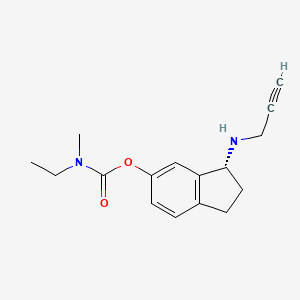
Ladostigil, TV-3,326

(N-propargyl-(3R) aminoindan-5yl)-ethyl methyl carbamate

(3R)-3-(Prop-2-ynylamino)indan-5-yl ethyl(methyl)carbamate; R-CPAI

Carbamic acid, ethylmethyl-, (3R)-2,3-dihydro-3-(2-propynylamino)-1H-inden-5-yl ester

Condition(s): Mild Cognitive Impairment
U.S. FDA Status: Mild Cognitive Impairment (Phase 2)
Company: Avraham Pharmaceuticals Ltd

Target Type: Cholinergic System

CAS No: 209349-27-4
Synonyms: Ladostigil, TV-3326, UNII-SW3H1USR4Q
Molecular Weight: 272.346 g/mol
Chemical Formula: C16-H20-N2-O2
IUPAC Name: (3R)-3-(Prop-2-ynylamino)indan-5-yl ethyl(methyl)carbamate N-Propargyl-(3R)-aminoindan-5-yl) ethyl methyl carbamate


Ladostigil tartrate Structure

CAS 209394-46-7, Ladostigil tartrate

N-Ethyl-N-methylcarbamic acid 3(R)-(2-propynylamino)-2,3-dihydro-1H-inden-5-yl ester L-tartrate

In 2010, ladostigil tartrate was licensed by Technion Research & Development Foundation and Yissum to Avraham for the treatment of Alzheimer’s disease and other neurogenerative diseases.

Ladostigil (TV-3,326) is a novel neuroprotective agent being investigated for the treatment of neurodegenerative disorders likeAlzheimer’s disease, Lewy body disease, and Parkinson’s disease.[1] It acts as a reversible acetylcholinesterase andbutyrylcholinesterase inhibitor, and an irreversible monoamine oxidase B inhibitor, and combines the mechanisms of action of older drugs like rivastigmine and rasagiline into a single molecule.[2][3] In addition to its neuroprotective properties, ladostigil enhances the expression of neurotrophic factors like GDNF and BDNF, and may be capable of reversing some of the damage seen in neurodegenerative diseases via the induction of neurogenesis.[4] Ladostigil also has antidepressant effects, and may be useful for treating comorbid depression and anxiety often seen in such diseases as well.[5][6]

Ladostigil [(N-propargyl-(3R) aminoindan-5yl)-ethyl methyl carbamate] is a dual acetylcholine-butyrylcholineesterase and brain selective monoamine oxidase (MAO)-A and -B inhibitor in vivo (with little or no MAO inhibitory effect in the liver and small intestine), intended for the treatment of dementia co-morbid with extrapyramidal disorders and depression (presently in a Phase IIb clinical study). This suggests that the drug should not cause a significant potentiation of the cardiovascular response to tyramine, thereby making it a potentially safer antidepressant than other irreversible MAO-A inhibitors. Ladostigil was shown to antagonize scopolamine-induced impairment in spatial memory, indicating that it can cause significant increases in rat brain cholinergic activity. Furthermore, ladostigil prevented gliosis and oxidative-nitrative stress and reduced the deficits in episodic and spatial memory induced by intracerebroventricular injection of streptozotocin in rats. Ladostigil was demonstrated to possess potent anti-apoptotic and neuroprotective activities in vitro and in various neurodegenerative rat models, (e.g. hippocampal damage induced by global ischemia in gerbils and cerebral oedema induced in mice by closed head injury). These neuroprotective activities involve regulation of amyloid precursor protein processing; activation of protein kinase C and mitogen-activated protein kinase signaling pathways; inhibition of neuronal death markers; prevention of the fall in mitochondrial membrane potential and upregulation of neurotrophic factors and antioxidative activity. Recent findings demonstrated that the major metabolite of ladostigil, hydroxy-1-(R)-aminoindan has also a neuroprotective activity and thus, may contribute to the overt activity of its parent compound. This review will discuss the scientific evidence for the therapeutic potential use of ladostigil in Alzheimer’s and Lewy Body diseases and the molecular signaling pathways that are considered to be involved in the biological activities of the drug

PAPER

Tetrahedron: Asymmetry (2012), 23(5), 333-338

http://www.sciencedirect.com/science/article/pii/S0957416612001334

Image for unlabelled figure

Graphical absImg(R)-3-(Prop-2-ynylamino)-2,3-dihydro-1H-inden-5-yl ethyl(methyl)carbamate

C16H20N2O2

ee: 89%

View the MathML source (c 1.46, CHCl3)

Source of chirality: the precursor

Absolute configuration: (R)

Contact Us

Yona Geffen CEO
Avraham Pharmaceuticals Ltd.
42 Hayarkon st.
Northern Industrial Zone
Yavneh, 81227
Israel

WO1998027055A1 * 18 Dec 1997 25 Jun 1998 Teva Pharmaceutical Industries, Ltd. Aminoindan derivatives
WO2005051371A1 28 Sep 2004 9 Jun 2005 Technion Research & Development Foundation Ltd. Compositions and methods for treatment of cardiovascular disorders and diseases
WO2006130726A2 31 May 2006 7 Dec 2006 Teva Pharmaceutical Industries, Ltd. Use of ladostigil for the treatment of multiple sclerosis
WO2007087029A2 * 11 Dec 2006 2 Aug 2007 Yissum Research Development Company Of The Hebrew University Of Jerusalem Use of low-dose ladostigil for neuroprotection
WO2009022345A1 14 Aug 2008 19 Feb 2009 Yissum Research Development Company Of The Hebrew University Of Jerusalem Phenyl carbamates for the treatment of multiple sclerosis
WO2009022346A2 14 Aug 2008 19 Feb 2009 Yissum Research Development Company Of The Hebrew University Of Jerusalem Phenyl carbamates for treating gastrointestinal inflammation
WO2012059920A1 2 Nov 2011 10 May 2012 Yissum Research Development Company Of The Hebrew University Of Jerusalem Ltd. Ladostigil dosage regime
US6251938 18 Jun 1999 26 Jun 2001 Teva Pharmaceutical Industries, Ltd., Phenylethylamine derivatives
US6303650 18 Jun 1999 16 Oct 2001 Yissum Research Development Company Of The Hebrew University Of Jerusalem Aminoindan derivatives
US6538025 31 Aug 2001 25 Mar 2003 Teva Pharmaceutical Industries, Ltd. Aminoindan derivatives
US7335685 22 Feb 2006 26 Feb 2008 Teva Pharmaceutical Industries, Ltd. Crystals of ladostigil tartrate, methods of production and pharmaceutical compositions thereof
US7375249 21 Feb 2006 20 May 2008 Teva Pharmaceutical Industries Ltd. Process for the synthesis of enantiomeric indanylamine derivatives
US7476757 15 Apr 2008 13 Jan 2009 Teva Pharmaceutical Industries Ltd. Process for the synthesis of enantiomeric indanylamine derivatives
US7491847 15 Nov 2006 17 Feb 2009 Teva Pharmaceutical Industries, Ltd. Methods for isolating propargylated aminoindans
US20050222123 27 Jan 2005 6 Oct 2005 North Shore-Long Island Jewish Research Institute Cholinesterase inhibitors for treating inflammation
US20060189685 24 Feb 2006 24 Aug 2006 Daniella Licht Formulations of ladostigil tartrate
US20060189819 22 Feb 2006 24 Aug 2006 Teva Pharmaceutical Industries, Ltd. Crystals of ladostigil tartrate, methods of production and pharmaceutical compositions thereof
US20060199974 21 Feb 2006 7 Sep 2006 Teva Pharmaceutical Industries Ltd. Process for the synthesis of enantiomeric indanylamine derivatives
US20070088082 28 Sep 2006 19 Apr 2007 Judith Aronhime Polymorphic forms of ladostigil tartrate
US20070093549 28 Sep 2006 26 Apr 2007 Judith Aronhime Methods for preparation of ladostigil tartrate crystalline form A1
US20070112217 15 Nov 2006 17 May 2007 Anton Frenkel Methods for isolating propargylated aminoindans
US20070135518 8 Dec 2006 14 Jun 2007 Marta Weinstock-Rosin Use of low-dose ladostigil for neuroprotection
US20070203232 23 Feb 2007 30 Aug 2007 Victor Piryatinsky Propargylated aminoindans, processes for preparation, and uses thereof
US20070232691 28 Mar 2007 4 Oct 2007 Tamar Goren Use of ladostigil for the treatment of schizophrenia
US20070293583 11 Dec 2006 20 Dec 2007 Marta Weinstock-Rosin Use of low-dose ladostigil for neuroprotection
US5532415 * Mar 28, 1995 Jul 2, 1996 Teva Pharmaceutical Industries Ltd. R-enantiomer of N-propargyl-1-aminoindan, salts, compositions and uses thereof
US5703059 * Jan 19, 1994 Dec 30, 1997 British Biotech Pharmaceuticals Ltd. Disaccharide ligands for selectins
US5936000 * Jan 16, 1996 Aug 10, 1999 Pharmacia & Upjohn Company 2-aminoindans as selective dopamine D3 ligands
US6271261 * Jun 24, 1997 Aug 7, 2001 Smithkline Beecham Corporation IL-8 receptor antagonists
US6271263 * Mar 2, 1999 Aug 7, 2001 Teva Pharmaceutical Industries, Ltd. Compositions containing and methods of using 1-aminoindan and derivatives thereof and process for preparing optically active 1-aminoindan derivatives
US6303650 * Jun 18, 1999 Oct 16, 2001 Yissum Research Development Company Of The Hebrew University Of Jerusalem Aminoindan derivatives
US6462222 * Aug 31, 2001 Oct 8, 2002 Yissum Research Development Company Of The Hebrew University Of Jerusalem Aminoindan derivatives
US6538025 * Aug 31, 2001 Mar 25, 2003 Teva Pharmaceutical Industries, Ltd. Aminoindan derivatives
US6737547 * Sep 15, 1999 May 18, 2004 Teva Pharmaceutical Industries, Ltd. Compositions containing and methods of using N-acyl-1H-aminoindenes
US20040010038 * Feb 27, 2003 Jan 15, 2004 Eran Blaugrund Propargylamino indan derivatives and propargylamino tetralin derivatives as brain-selective MAO inhibitors
Citing Patent Filing date Publication date Applicant Title
US7649115 Jun 1, 2006 Jan 19, 2010 Jenrin Discovery, Inc. MAO-B inhibitors useful for treating obesity
US8541475 Dec 31, 2009 Sep 24, 2013 Jenrin Discovery, Inc. MAO-B inhibitors useful for treating obesity
US8569545 Jun 2, 2009 Oct 29, 2013 Generics (Uk) Limited Process for the preparation of enantiomerically pure amines
US8809589 Jul 18, 2013 Aug 19, 2014 Generics [Uk] Limited Process for the preparation of enantiomerically pure amines
US20070088004 * Jun 1, 2006 Apr 19, 2007 Mcelroy John F MAO-B inhibitors useful for treating obesity
US20100168068 * Dec 31, 2009 Jul 1, 2010 Jenrin Discovery Mao-b inhibitors useful for treating obesity
US20110184071 * Jun 2, 2009 Jul 28, 2011 Vinayak Gore process for the preparation of amines
US20110218360 * Sep 8, 2011 Dr. Reddy’s Laboratories Ltd. Preparation of rasagiline and salts thereof
CN103443111A * Apr 2, 2012 Dec 11, 2013 高砂香料工业株式会社 Novel ruthenium complex and process for producing optically active alcohol compound using same as catalyst
CN103443111B * Apr 2, 2012 Mar 2, 2016 高砂香料工业株式会社 钌配合物以及以该配合物作为催化剂的光学活性醇化合物的制备方法
WO2013118126A1 Feb 11, 2013 Aug 15, 2013 Yissum Research Development Company Of The Hebrew University Of Jerusalem Ltd. Ladostigil therapy for immunomodulation
Ladostigil
Ladostigil.png
Systematic (IUPAC) name
[(3R)-3-(prop-2-ynylamino)indan-5-yl]-N-propylcarbamate
Clinical data
Routes of
administration
Oral
Legal status
Legal status
  • Uncontrolled
Identifiers
CAS Number 209349-27-4
ATC code none
PubChem CID 208907
ChemSpider 181005
UNII SW3H1USR4Q Yes
Synonyms [N-propargyl-(3R)-aminoindan-5yl]-N-propylcarbamate
Chemical data
Formula C16H20N2O2
Molar mass 272.34 g/mol

///////////Ladostigil, TV-3,326

c1c(cc2c(c1)CC[C@H]2NCC#C)OC(=O)N(CC)C


Share

Results of a Survey on ICH Q3D “Elemental Impurities”

 regulatory  Comments Off on Results of a Survey on ICH Q3D “Elemental Impurities”
Jun 022016
 

For most companies manufacturing APIs and pharmaceutical products, the implementation of ICH Q3D has a serious impact – as shown in a survey recently carried out by the ECA. Read more about the issues encountered by many companies regarding the assessment and control of elemental impurities and the kind of support they wish.

SEE

http://www.gmp-compliance.org/enews_05395_Results-of-a-Survey-on-ICH-Q3D-%22Elemental-Impurities%22_15499,15332,S-AYL_n.html

One and a half years after the official entry into force of the ICH Q3D Guideline for “Elemental Impurities” and several supporting documents from the ICH (e.g. “Training Package: Modules 0-7“) a number of questions as regards implementation remain.

In a survey recently performed by the ECA, questions were posed about the issues relating to the fulfilling of the requirements laid down in ICH Q3D. The feedback from almost 80 participants from medium and large pharmaceutical companies and API manufacturers located in Germany and other EU Member States shows remarkable results which harsh light on the aspects companies have to struggle against with regard to the implementation of the guideline. Please find an extract of this survey below:

  • How strong is the impact of the ICH 3D Guideline on your Company?

For more than half of the respondents, ICH Q3D has a strong impact on the company.

  • Where do you see the main problems for implementation of ICH Q3D?

For most companies, not only the establishment of safety assessment of potential elemental impurities is seen as problematic but also the analytical procedures for elemental impurities testing required for proving elemental impurities as well as the application of the requirements of ICH Q3D to old products.

  • Application of ICH Q3D to existing products is not expected until 36 months after publication. How do you judge this deadline?

Whereas a quarter of the companies surveyed judge the time for application of ICH Q3D to existing products as too short, half of them consider it nevertheless feasible – with great effort though.

The following question clearly shows what support companies especially wish with regard to the problematic:

  • What kind of information would you like to receive from ECA in case that ECA would establish an Interest Group?

Examples for risk assessment for elemental impurities would be highly appreciated; besides, also procedure descriptions i.e. SOPs on how to handle the establishment of risk assessment as well as conferences, workshops or forum on that topic have been assessed as very useful.

///////Results, Survey,  ICH Q3D, Elemental Impurities

Share

EDQM’s new Guideline on Electronic Submissions for CEP Applications

 regulatory  Comments Off on EDQM’s new Guideline on Electronic Submissions for CEP Applications
Jun 022016


EDQM’s new Guideline on Electronic Submissions for CEP Applications

As of today (June, 1st 2016), the EDQM doesn’t accept any CEP application in paper format. Read more here about the structure of the electronic submission of an application for a Certificate of Suitability and the errors to avoid.

SEE

http://www.gmp-compliance.org/enews_05380_EDQM-s-new-Guideline-on-Electronic-Submissions-for-CEP-Applications_15429,15332,S-WKS_n.html


The EDQM has recently published a document entitled “Guidance for electronic submissions for Certificates of Suitability (CEP) applications” (PA/PH/CEP (09) 108, 3R) in which the authority describes the requirements to be considered for the submission of an application for a CEP. Let us give you the most important message straight away: the EDQM now only accepts CEP applications in the electronic format since June 1st 2016.

Only the following formats are authorised within an application procedure: PDF, NeeS (non-eCTD electronic submission), VNeeS (the respective application format for veterinary purposes) and eCTD. A change of format during an ongoing application procedure is allowed whereas coming back to the original format isn’t. Basically, the EDQM recommends the use of the eCTD with an exception though: CEP applications for the TSE risk of an API have to be submitted in the PDF format.

The guideline extensively describes how a CEP application should look like with regard to its content and structure. This is illustrated by 5 annexes which present the structure and level of granularity (degree of division in subchapters) of the different formats. The sixth annex (“Main issues which may lead to blocking a submission for its format and causing delays”) lists the problems which may lead to delays in the application procedure with the respective reasons and solutions presented in a table. For example, typical errors in the electronic submission are on the one hand those which complicate the navigation through the application (inappropriate level of granularity, annexes not incorporated in the CTD structure, incorrect designation of PDF bookmarks, etc.) and on the other hand those which disrupt the lifecycle of the application in the eCTD format (wrong sequence of the chapters, incorrect attributes, e.g. “New” instead of “Replace” when replacing a leaf).

Generally, the standards applicable for the electronic submission of an application for a marketing authorisation of medicinal products must also be fulfilled in a CEP application. The “Electronic Standards for the Transfer of Regulatory Information” (ESTRI) have been elaborated by ICH’s M2 Expert Working Group and are available on a separate website: the ESTRI webpage.

Now, the electronic submission of a CEP application can be done via the “Common European Submission Platform” (CESP) of the EDQM. First, a registration on the “Common European Submission Portal” is necessary. If it’s not possible, there are other alternatives: secured drop-box (the EDQM provides the access data on request), CD-ROM, DVD and USB stick. Password protection or encodings must be removed first.

//////////// EDQM,  Guideline, Electronic Submissions, CEP Applications

Share

Дапипразол Dapiprazole

 Uncategorized  Comments Off on Дапипразол Dapiprazole
Jun 012016
 

Dapiprazole.svg

Dapiprazole

CAS 72822-12-9

HCL SALT 72822-13-0

5,6,7,8-Tetrahydro-3-(2-(4-(O-tolyl)-1-piperazinyl)ethyl)-S-triazolo(4,3-a)pyridine

Dapiprazole (Rev-Eyes) is an alpha blocker. It is used to reverse mydriasis after eye examination.[1]

Used in the treatment of iatrogenically induced mydriasis produced by adrenergic (phenylephrine) or parasympatholytic (tropicamide) agents used in certain eye examinations.

Dapiprazole is an alpha-adrenergic blocking agent. It produces miosis by blocking the alpha-adrenergic receptors on the dilator muscle of the iris. Dapiprazole produces no significant action on ciliary muscle contraction and thus, there are no changes in the depth of the anterior chamber of the thickness of the lens. It does not alter the IOP either in normal eyes or in eyes with elevated IOP. The rate of pupillary constriction may be slightly slower in clients with brown irises than in clients with blue or green irises.

Dapiprazole acts through blocking the alpha1-adrenergic receptors in smooth muscle. It produces miosis through an effect on the dilator muscle of the iris and does not have any significant activity on ciliary muscle contraction and, therefore does not induce a significant change in the anterior chamber depth or the thickness of the lens.

Oral LD50 is 1189-2100 mg/kg in mice, rats and rabbits.

Brief background information

Salt ATC formula MM CASE
N05AX
S01EX02
C19H27N5 325.46 g / mol 72822-12-9
monogïdroxlorïd N05AX
S01EX02
C19H27N5 · HCl 361.92 g / mol 72822-13-0

Application

  • antipsihoticheskoe means
  • in the treatment of glaucoma

Classes substance

  • Piperazinы
    • 1,2,4-triazolo [4,3-a] piridinы

Synthesis

STR1


Синтез a)

Scheme illustration:By cyclization of O-methylvalerolactam (I) with 3-(4-o-tolyl-1-piperazinyl) propionic acid hydrazide (II) in refluxing xylene, followed by a treatment with ethanolic HCl.

FR 2423221; GB 2020269; JP 54157576; NL 7902489; US 4252721


Acylation of (1-methylcyclopropyl)guanidine (IV) with 3-bromo-5-chlorothiophene-2-sulfonyl chloride (III) under Schotten-Baumann conditions afforded the sulfonyl guanidine (V). This was cyclized to the desired thienothiadiazine upon treatment with Cs2CO3 and Cu2O in boiling butanol.


In a different method, (1-methylcyclopropyl)guanidine (I) is acylated by 3-bromo-5-chlorothiophene-2-sulfonyl chloride (II) to produce the sulfonyl guanidine (III). Intramolecular cyclization of (III) in the presence of Cu2O and Cs2CO3 leads to the title thienothiadiazine derivative. Similarly, acylation of guanidine (I) with 3,5-dichlorothiophene-2-sulfonyl chloride (IV) provides sulfonyl guanidine (V), which is then cyclized in the presence of Cu2O and Cs2CO3.


In an alternative method, sulfonylation of N-isopropylguanidine (V) with 2,5-dichlorothiophene-3-sulfonyl chloride (IV) produced the sulfonyl guanidine (VI). This was then cyclized to the title compound by treatment with copper bronze and potassium carbonate in boiling DMF……..WO 0102410

Trade names

country Tradename Manufacturer
Germany Remidrial winegrower
Italy Glamidolo Angelini, 1987
Ukraine no no

Formulations

  • eyedrops 50 mg / 10 ml (5%) (hydrochloride)

References

  • DE 2 915 318 (Angelini; appl. 14.4.1979; I-prior. 18.4.1978).
  • US 4 307 095 (Angelini; 22.12.1981; prior. 29.3.1979, 29.8.1980; I-prior. 18.4.1978).
  • US 4 307 096 (Angelini; 22.12.1981; prior. 29.3.1979, 29.8.1980; I-prior. 18.4.1978).
  • US 4 325 952 (Angelini; 20.4.1982; prior. 29.3.1979, 29.8.1980; I-prior. 18.4.1978).
  • BE 877 161 (Angelini; appl. 21.6.1979).

References

  1. Doughty, Michael J.; Lyle, William M. (May 1992). “A Review of the Clinical Pharmacokinetics of Pilocarpine, Moxisylyte (Thymoxamine), and Dapiprazole in the Reversal of Diagnostic Pupillary Dilation”. Optometry & Vision Science 69 (5).
  2. US 4 307 096 (Angelini; 22.12.1981; prior. 29.3.1979, 29.8.1980; I-prior. 18.4.1978).
  3.  US 4 325 952 (Angelini; 20.4.1982; prior. 29.3.1979, 29.8.1980; I-prior. 18.4.1978).
  4. BE 877 161 (Angelini; appl. 21.6.1979).
  5. DE 2 915 318 (Angelini; appl. 14.4.1979; I-prior. 18.4.1978).
  6. US 4 307 095 (Angelini; 22.12.1981; prior. 29.3.1979, 29.8.1980; I-prior. 18.4.1978).

Structural formula

UV- Spectrum

Conditions : Concentration – 1 mg / 100 ml
The solvent designation schedule methanol
water
0.1М HCl
0.1M NaOH
maximum absorption 235 nm 235 nm 234 nm There
decay
212 179 172
e 7650 6450 6200

IR – spectrum

Wavelength (μm)
Wave number (cm -1 )

 STR1
STR1

References

  • UV and IR Spectra. H.-W. Dibbern, R.M. Muller, E. Wirbitzki, 2002 ECV
  • NIST/EPA/NIH Mass Spectral Library 2008
  • Handbook of Organic Compounds. NIR, IR, Raman, and UV-Vis Spectra Featuring Polymers and Surfactants, Jr., Jerry Workman. Academic Press, 2000.
  • Handbook of ultraviolet and visible absorption spectra of organic compounds, K. Hirayama. Plenum Press Data Division, 1967.


Dapiprazole
Dapiprazole.svg
Systematic (IUPAC) name
3-{2-[4-(2-methylphenyl)piperazin-1-yl]ethyl}-5,6,7,8-
tetrahydro-[1,2,4]triazolo[4,5-a]pyridine
Clinical data
AHFS/Drugs.com Consumer Drug Information
MedlinePlus a601043
Pregnancy
category
  • B
Routes of
administration
Topical (eye drops)
Legal status
Legal status
  • ℞ (Prescription only)
Pharmacokinetic data
Bioavailability Negligible when administered topically
Identifiers
CAS Number 72822-12-9 Yes
ATC code S01EX02 (WHO)
PubChem CID 3033538
IUPHAR/BPS 7155
DrugBank DB00298 Yes
ChemSpider 2298190 Yes
UNII 5RNZ8GJO7K Yes
KEGG D07775 Yes
ChEBI CHEBI:51066 Yes
ChEMBL CHEMBL1201216 
Chemical data
Formula C19H27N5
Molar mass 325.451 g/mol

//////Дапипразол ,  Dapiprazole, AF-2139, Remydrial, Rev-Eyes, Reversil, Glamidolo

n1nc(n2c1CCCC2)CCN4CCN(c3ccccc3C)CC4

Share

Activated nanostructured bimetallic catalysts for C-C coupling reactions: recent progress

 PROCESS, SYNTHESIS  Comments Off on Activated nanostructured bimetallic catalysts for C-C coupling reactions: recent progress
Jun 012016
 

Catal. Sci. Technol., 2016, 6,3341-3361
DOI: 10.1039/C5CY02225H, Minireview
Rohit Kumar Rai, Deepika Tyagi, Kavita Gupta, Sanjay Kumar Singh
This minireview highlights the recent progress made in the last decade towards the development of activated bimetallic alloy nanoparticle catalysts for C-C coupling reactions, including asymmetric C-C bond coupling reactions.
Minireview

Activated nanostructured bimetallic catalysts for C–C coupling reactions: recent progress

*Corresponding authors
aDiscipline of Chemistry, Indian Institute of Technology (IIT) Indore, Simrol, Indore, 452 020 India
bCentre for Material Science and Engineering, Indian Institute of Technology (IIT) Indore, Simrol, Indore, 452 020 India
E-mail: [email protected]
Fax: +91 731 2438 933
Catal. Sci. Technol., 2016,6, 3341-3361

DOI: 10.1039/C5CY02225H

Catalysts based on bimetallic nanoparticles have received tremendous scientific and industrial attention and are established as an important class of active catalysts. These catalysts displayed improved catalytic activities compared to their monometallic counterparts for several reactions, which is attributed to their highly modified surface structures (electronic and geometrical) due to the synergic cooperation between the two metals of the bimetallic nanoparticle catalyst. Moreover, such synergic interactions are more prominent in alloy nanoparticle catalysts, where the probability of metal-to-metal interactions is higher in comparison with other systems (such as core–shell nanoparticles). This minireview highlights the recent progress made in the last decade towards the development of activated bimetallic alloy nanoparticle catalysts for C–C coupling reactions, including asymmetric C–C bond coupling reactions. Herein, the influence of the modified electronic structures of the newly formed bimetallic alloy nanoparticle catalysts on their activated catalytic performance is also discussed extensively.
Dr. Sanjay Kumar Singh
Assistant Professor
Chemistry
Organometallics and Nanotech Catalysis Group
Discipline of Chemistry, School of Basic Sciences
Dr. Sanjay Kumar Singh
Assistant Professor
Chemistry
sksingh[at]iiti.ac.in
Mr. Rohit Rai
Ph.D. Student (CSIR-SRF), Since Jan. 2013
He obtained his Masters degree in Organic Chemistry from BHU Varanasi in the year 2012. He is presently engaged in the development of nanoparticle based heterogeneous catalysts for important organic reactions.
rohitrai47[at]gmail.com; phd12123108[at]iiti.ac.in


Ms. Deepika Tyagi
Ph.D. Student (UGC-SRF), Since Jan. 2013
She obtained her Masters degree in Organic Chemistry from C.C.S. Meerut University in the year 2011. She is presently engaged in the development of homogeneous catalysts based on organometallic and coordination complexes for important organic reactions.
tyagi.deepika30[at]gmail.com; phd12123112[at]iiti.ac.in
Deepika Tyagi Deepika Tyagi
Ph.D. Scholar
Dr. Sanjay Research Group
M-Block, IIT Indore
Email: phd12123112[at]iiti.ac.in
Research Topic: Development of homogeneous catalysts based on metal complexes for important organic reactions


Ms. Kavita Gupta
Ph.D. Student (CSIR-SRF), Since Jul., 2013
She obtained her Masters degree in Organic Chemistry from Dr. B.R.A. University, Agra in the year 2010. She is presently engaged in the development of catalytic systems for the conversion of bioderived molecules to bio-fuel components and other important products.
phd1301131005[at]iiti.ac.in
ALL AUTHORS
//////Activated nanostructured,  bimetallic catalysts,  C-C coupling reactions,  recent progress
Share

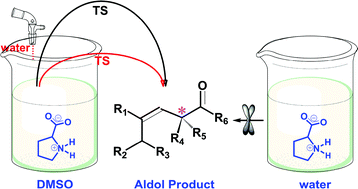
Mechanisms and reactivity differences of proline-mediated catalysis in water and organic solvents

 PROCESS  Comments Off on Mechanisms and reactivity differences of proline-mediated catalysis in water and organic solvents
Jun 012016
 

Catal. Sci. Technol., 2016, 6,3378-3385
DOI: 10.1039/C6CY00033A, Paper
Gang Yang, Lijun Zhou
Several key issues regarding the mechanisms of proline catalysis are unravelled by first-principles calculations that can guide future catalyst design.

Mechanisms and reactivity differences of proline-mediated catalysis in water and organic solvents

Gang Yang*a and   Lijun Zhoua  
*Corresponding authors
aCollege of Resource and Environment & Chongqing Key Laboratory of Soil Multi-scale Interfacial Process, Southwest University, Chongqing, PR China
E-mail: [email protected]
Fax: +86 023 68250444
Tel: +86 023 68251545
Catal. Sci. Technol., 2016,6, 3378-3385

DOI: 10.1039/C6CY00033A

Proline is an efficient and versatile catalyst for organic reactions while a number of issues remain controversial. Here, ab initio and density functional calculations were used to unravel a few key issues of catalytic mechanisms in water and organic solvents. Zwitterionic proline that predominates in water and DMSO is assumed to be the active conformation for catalysis, and reactivity differences in two solvents are revealed. Meanwhile, an abundance of experimental observations can be finely interpreted by the present computational results, including those seemingly contradictory. Although bearing lower activation barriers than that in DMSO, the production of enamines and further aldol products in water will be blocked at an early stage (J. Am. Chem. Soc., 2006, 128, 734) because the reaction in water is significantly driven towards acetyl formation that is kinetically and thermodynamically preferred. Due to significant promotion of the rate-determining proton transfer step, aldol reactions in organic solvents can be obviously initiated by the addition of some water (Angew. Chem., Int. Ed., 2004, 43, 1983). In order to show catalytic effects in water (an obviously environmentally benign solvent), proline has to be structurally modified so that canonical structures can be the principal (or sole) conformations, which is in line with the analyses of all proline-based catalysts available in water (e.g., J. Am. Chem. Soc., 2006, 128, 734, Catal. Commun., 2012, 26, 6). Thus, the present results provide insightful clues to mechanisms of proline-mediated catalysis as well as future design of more efficient catalysts.

IF YOU HAVE ENJOYED IT ………EMAIL ME [email protected], +919323115463, India

INDIA FLAG


DR ANTHONY CRASTO , WORLDDRUGTRACKER, HELPING MILLIONS, MAKING INDIA AND INDIANS PROUD

//////Mechanisms,  reactivity,  differences,  proline-mediated catalysis, water ,  organic solvents
Share

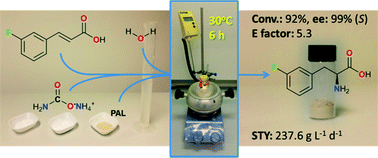
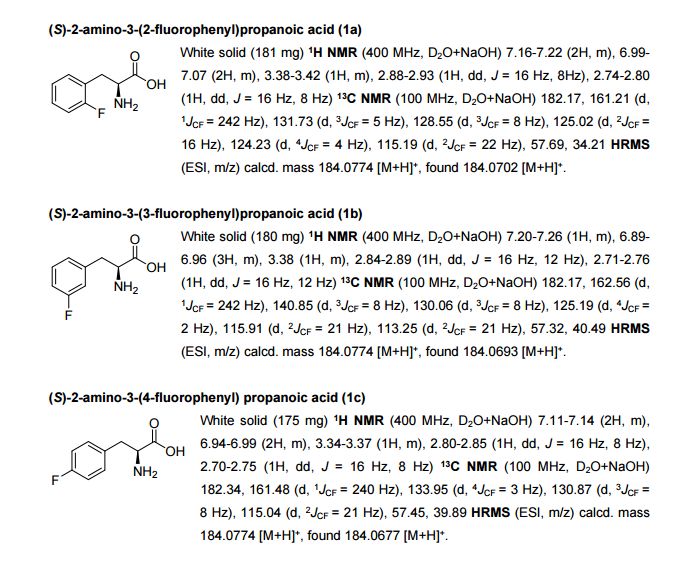
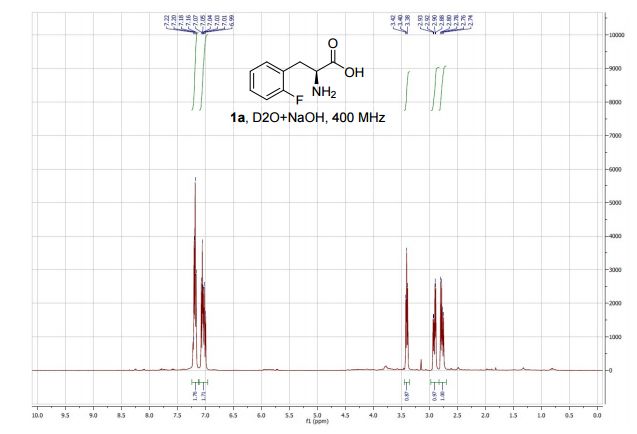
Intensified biocatalytic production of enantiomerically pure halophenylalanines from acrylic acids using ammonium carbamate as the ammonia source

 PROCESS, spectroscopy, SYNTHESIS  Comments Off on Intensified biocatalytic production of enantiomerically pure halophenylalanines from acrylic acids using ammonium carbamate as the ammonia source
Jun 012016
 

Catal. Sci. Technol., 2016, Advance Article
DOI: 10.1039/C6CY00855K, Communication
Nicholas J. Weise, Syed T. Ahmed, Fabio Parmeggiani, Elina Siirola, Ahir Pushpanath, Ursula Schell, Nicholas J. Turner
An industrial-scale method employing a phenylalanine ammonia lyase enzyme


Intensified biocatalytic production of enantiomerically pure halophenylalanines from acrylic acids using ammonium carbamate as the ammonia source

*Corresponding authors
aManchester Institute of Biotechnology & School of Chemistry, University of Manchester, 131 Princess Street, Manchester, UK
E-mail: [email protected]
bJohnson Matthey Catalysts and Chiral Technologies, 28 Cambridge Science Park, Milton Road, Cambridge, UK
Catal. Sci. Technol., 2016, Advance Article

DOI: 10.1039/C6CY00855K

SEE

An intensified, industrially-relevant strategy for the production of enantiopure halophenylalanines has been developed using the novel combination of a cyanobacterial phenylalanine ammonia lyase (PAL) and ammonium carbamate reaction buffer. The process boasts STYs up to >200 g L−1 d−1, ees ≥ 98% and simplified catalyst/reaction buffer preparation and work up.


STR1


STR1

STR1


STR1

///////Intensified,  biocatalytic production, enantiomerically pure,  halophenylalanines,  acrylic acids,  ammonium carbamate, ammonia source

Share

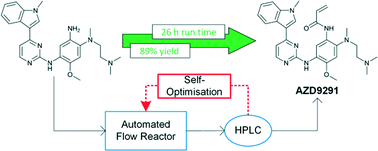
Self-optimisation of the final stage in the synthesis of EGFR kinase inhibitor AZD9291 using an automated flow reactor

 flow synthesis  Comments Off on Self-optimisation of the final stage in the synthesis of EGFR kinase inhibitor AZD9291 using an automated flow reactor
May 312016
 
image file: c6re00059b-f1.tif


React. Chem. Eng., 2016, Advance Article
DOI: 10.1039/C6RE00059B, Paper
Open Access Open Access
Creative Commons Licence  This article is licensed under a Creative Commons Attribution 3.0 Unported Licence.
Nicholas Holmes, Geoffrey R. Akien, A. John Blacker, Robert L. Woodward, Rebecca E. Meadows, Richard A. Bourne
Self-optimising flow reactors combine online analysis with evolutionary feedback algorithms to rapidly achieve optimum conditions.

Self-optimisation of the final stage in the synthesis of EGFR kinase inhibitor AZD9291 using an automated flow reactor

Self-optimising flow reactors combine online analysis with evolutionary feedback algorithms to rapidly achieve optimum conditions. This technique has been applied to the final bond-forming step in the synthesis of AZD9291, an irreversible epidermal growth factor receptor kinase inhibitor developed by AstraZeneca. A four parameter optimisation of a telescoped amide coupling followed by an elimination reaction was achieved using at-line high performance liquid chromatography. Optimisations were initially carried out on a model compound (2,4-dimethoxyaniline) and the data used to track the formation of various impurities and ultimately propose a mechanism for their formation. Our protocol could then be applied to the optimisation of the 2-step telescoped reaction to synthesise AZD9291 in 89% yield.

Paper

Self-optimisation of the final stage in the synthesis of EGFR kinase inhibitor AZD9291 using an automated flow reactor

*Corresponding authors
aInstitute of Process Research and Development, School of Chemistry, University of Leeds, Leeds, UK
E-mail: [email protected]
bDepartment of Chemistry, Faraday Building, Lancaster University, Lancaster, UK
cSchool of Chemical and Process Engineering, University of Leeds, Leeds, UK
dAstraZeneca Pharmaceutical Development, Silk Road Business Park, Macclesfield, UK
React. Chem. Eng., 2016, Advance Article

DOI: 10.1039/C6RE00059B

http://pubs.rsc.org/en/Content/ArticleLanding/2016/RE/C6RE00059B#!divAbstract

str1

Scheme 1 Synthesis of the model acrylamide 6 via the β-chloroamide 5 intermediate.

image file: c6re00059b-s1.tif


Scheme 2 Proposed mechanisms to dimers 8a and 8b. The observation of a peak corresponding to 7suggested a Rauhut–Currier mechanism to 8b but subsequent LC-MS-MS analysis showed the major dimer to most likely be 8a. All observed peaks from offline LC-MS are displayed.

image file: c6re00059b-s2.tif


///////Self-optimisation, synthesis, EGFR kinase inhibitor, AZD9291,  automated flow reactor

Share

CCT 245737

 PRECLINICAL, Uncategorized  Comments Off on CCT 245737
May 312016
 

CCT 245737

CAS:1489389-18-5
M.Wt: 379.34
Formula: C16H16F3N7O

2-​Pyrazinecarbonitrile​, 5-​[[4-​[[(2R)​-​2-​morpholinylmethyl]​amino]​-​5-​(trifluoromethyl)​-​2-​pyridinyl]​amino]​-

(R)-5-(4-(Morpholin-2-ylmethylamino)-5-(trifluoromethyl)pyridin-2-ylamino)pyrazine-2-carbonitrile

(+)-5-[[4-[[(2R)-Morpholin-2-ylmethyl]amino]-5-(trifluoromethyl)pyridin-2-yl]amino]pyrazine-2-carbonitrile

Cancer Research Technology Limited   INNOVATOR

SAREUM

IND Filed, Sareum FOR CANCER


Synthesis, Exclusive by worlddrugtracker

STR1

5-[[4-[[morpholin-2-yl]methylamino]-5- (trifluoromethyl)-2-pyridyl]amino]pyrazine-2-carbonitrile compounds (referred to herein as “TFM compounds”) which, inter alia, inhibit Checkpoint Kinase 1 (CHK1) kinase function. The present invention also pertains to pharmaceutical compositions comprising such compounds, and the use of such compounds and compositions, both in vitro and in vivo, to inhibit CHK1 kinase function, and in the treatment of diseases and conditions that are mediated by CHK1 , that are ameliorated by the inhibition of CHK1 kinase function, etc., including proliferative conditions such as cancer, etc., optionally in combination with another agent, for example, (a) a DNA topoisomerase I or II inhibitor; (b) a DNA damaging agent; (c) an antimetabolite or a thymidylate synthase (TS) inhibitor; (d) a microtubule targeted agent; (e) ionising radiation; (f) an inhibitor of a mitosis regulator or a mitotic checkpoint regulator; (g) an inhibitor of a DNA damage signal transducer; or (h) an inhibitor of a DNA damage repair enzyme.

Checkpoint Kinase 1 (CHK1)

Progression through the cell division cycle is a tightly regulated process and is monitored at several positions known as cell cycle checkpoints (see, e.g., Weinert and Hartwell,

1989; Bartek and Lukas, 2003). These checkpoints are found in all four stages of the cell cycle; G1 , S (DNA replication), G2 and M (Mitosis) and they ensure that key events which control the fidelity of DNA replication and cell division are completed correctly. Cell cycle checkpoints are activated by a number of stimuli, including DNA damage and DNA errors caused by defective replication. When this occurs, the cell cycle will arrest, allowing time for either DNA repair to occur or, if the damage is too severe, for activation of cellular processes leading to controlled cell death.

All cancers, by definition, have some form of aberrant cell division cycle. Frequently, the cancer cells possess one or more defective cell cycle checkpoints, or harbour defects in a particular DNA repair pathway. These cells are therefore often more dependent on the remaining cell cycle checkpoints and repair pathways, compared to non-cancerous cells (where all checkpoints and DNA repair pathways are intact). The response of cancer cells to DNA damage is frequently a critical determinant of whether they continue to proliferate or activate cell death processes and die. For example, tumour cells that contain a mutant form(s) of the tumour suppressor p53 are defective in the G1 DNA damage checkpoint. Thus inhibitors of the G2 or S-phase checkpoints are expected to further impair the ability of the tumour cell to repair damaged DNA. Many known cancer treatments cause DNA damage by either physically modifying the cell’s DNA or disrupting vital cellular processes that can affect the fidelity of DNA replication and cell division, such as DNA metabolism, DNA synthesis, DNA transcription and microtubule spindle formation. Such treatments include for example, radiotherapy, which causes DNA strand breaks, and a variety of chemotherapeutic agents including topoisomerase inhibitors, antimetabolites, DNA-alkylating agents, and platinum- containing cytotoxic drugs. A significant limitation to these genotoxic treatments is drug resistance. One of the most important mechanisms leading to this resistance is attributed to activation of cell cycle checkpoints, giving the tumour cell time to repair damaged DNA. By abrogating a particular cell cycle checkpoint, or inhibiting a particular form of DNA repair, it may therefore be possible to circumvent tumour cell resistance to the genotoxic agents and augment tumour cell death induced by DNA damage, thus increasing the therapeutic index of these cancer treatments.

CHK1 is a serine/threonine kinase involved in regulating cell cycle checkpoint signals that are activated in response to DNA damage and errors in DNA caused by defective replication (see, e.g., Bartek and Lukas, 2003). CHK1 transduces these signals through phosphorylation of substrates involved in a number of cellular activities including cell cycle arrest and DNA repair. Two key substrates of CHK1 are the Cdc25A and Cdc25C phosphatases that dephosphorylate CDK1 leading to its activation, which is a

requirement for exit from G2 into mitosis (M phase) (see, e.g., Sanchez et al., 1997). Phosphorylation of Cdc25C and the related Cdc25A by CHK1 blocks their ability to activate CDK1 , thus preventing the cell from exiting G2 into M phase. The role of CHK1 in the DNA damage-induced G2 cell cycle checkpoint has been demonstrated in a number of studies where CHK1 function has been knocked out (see, e.g., Liu et ai, 2000; Zhao et al., 2002; Zachos et al., 2003).

The reliance of the DNA damage-induced G2 checkpoint upon CHK1 provides one example of a therapeutic strategy for cancer treatment, involving targeted inhibition of CHK1. Upon DNA damage, the p53 tumour suppressor protein is stabilised and activated to give a p53-dependent G1 arrest, leading to apoptosis or DNA repair (Balaint and Vousden, 2001). Over half of all cancers are functionally defective for p53, which can make them resistant to genotoxic cancer treatments such as ionising radiation (IR) and certain forms of chemotherapy (see, e.g., Greenblatt et al., 1994; Carson and Lois, 1995). These p53 deficient cells fail to arrest at the G1 checkpoint or undergo apoptosis or DNA repair, and consequently may be more reliant on the G2 checkpoint for viability and replication fidelity. Therefore abrogation of the G2 checkpoint through inhibition of the CHK1 kinase function may selectively sensitise p53 deficient cancer cells to genotoxic cancer therapies, and this has been demonstrated (see, e.g., Wang et al., 1996; Dixon and Norbury, 2002). In addition, CHK1 has also been shown to be involved in S phase cell cycle checkpoints and DNA repair by homologous recombination. Thus, inhibition of CHK1 kinase in those cancers that are reliant on these processes after DNA damage, may provide additional therapeutic strategies for the treatment of cancers using CHK1 inhibitors (see, e.g., Sorensen et al., 2005). Furthermore, certain cancers may exhibit replicative stress due to high levels of endogenous DNA damage (see, e.g., Cavalier et al., 2009; Brooks et al., 2012) or through elevated replication driven by oncogenes, for example amplified or overexpressed MYC genes (see, e.g., Di Micco et al. 2006; Cole et al., 2011 ; Murga et al. 2011). Such cancers may exhibit elevated signalling through CHK1 kinase (see, e.g., Hoglund et al., 2011). Inhibition of CHK1 kinase in those cancers that are reliant on these processes, may provide additional therapeutic strategies for the treatment of cancers using CHK1 inhibitors (see, e.g., Cole et al., 2011 ; Davies et al., 2011 ; Ferrao et al., 2011).

Several kinase enzymes are important in the control of the cell growth and replication cycle. These enzymes may drive progression through the cell cycle, or alternatively can act as regulators at specific checkpoints that ensure the integrity of DNA replication through sensing DNA-damage and initiating repair, while halting the cell cycle. Many tumours are deficient in early phase DNA-damage checkpoints, due to mutation or deletion in the p53 pathway, and thus become dependent on the later S and G2/M checkpoints for DNA repair. This provides an opportunity to selectively target tumour cells to enhance the efficacy of ionising radiation or widely used DNA-damaging cancer chemotherapies. Inhibitors of the checkpoint kinase CHK1 are of particular interest for combination with genotoxic agents. In collaboration with Professor Michelle Garrett (University of Kent, previously at The Institute of Cancer Research) and Sareum (Cambridge) we used structure-based design to optimise the biological activities and pharmaceutical properties of hits identified through fragment-based screening against the cell cycle kinase CHK1, leading to the oral clinical candidate CCT245737. The candidate potentiates the efficacy of standard chemotherapy in models of non-small cell lung, pancreatic and colon cancer. In collaboration with colleagues at The Institute of Cancer Research (Professor Louis Chesler, Dr Simon Robinson and Professor Sue Eccles) and Newcastle University (Professor Neil Perkins), we have shown that our selective CHK1 inhibitor has efficacy as a single agent in models of tumours with high replication stress, including neuroblastoma and lymphoma.

The checkpoint kinase CHK2 has a distinct but less well characterised biological role to that of CHK1. Selective inhibitors are valuable as pharmacological tools to explore the biological consequences of CHK2 inhibition in cancer cells. In collaboration with Professor Michelle Garrett (University of Kent, previously at The Institute of Cancer Research), we have used structure-based and ligand-based approaches to discover selective inhibitors of CHK2. We showed that selective CHK2 inhibition has a very different outcome to selective CHK1 inhibition. Notably, while CHK2 inhibition did not potentiate the effect of DNA-damaging chemotherapy, it did sensitize cancer cells to the effects of PARP inhibitors that compromise DNA repair.

Synthesis 

(R)-5-(4-(Morpholin-2-ylmethylamino)-5-(trifluoromethyl)pyridin-2-ylamino)pyrazine-2-carbonitrile 

 as a pale-yellow amorphous solid.
1H NMR ((CD3)2SO, 500 MHz) δ 10.7 (br s, 1H), 9.10 (d, J = 1.4 Hz, 1H), 8.77 (d, J = 1.4 Hz, 1H), 8.20 (s, 1H), 7.19 (s, 1H), 6.32 (br t, J = 5.5 Hz, 1H), 3.75 (br d, J = 11.0 Hz, 1H), 3.64–3.59 (m, 1H), 3.43 (ddd, J = 10.7, 10.7, and 3.4 Hz, 1H), 3.22 (m, 2H), 2.82 (dd, J = 12.1 and 2.1 Hz, 1H), 2.67–2.59 (m, 2H), 2.42 (dd, J = 12.1 and 10.0 Hz, 1H).
13C NMR ((CD3)2SO, 125 MHz) δ 155.7, 151.9, 151.6, 147.2, 145.9 (q, JCF = 6.3 Hz), 136.8, 124.8 (q, JCF= 270.9 Hz), 118.9, 117.1, 104.4 (q, JCF = 30.0 Hz), 93.2, 73.6, 67.2, 48.9, 45.4, 44.9.
LCMS (3.5 min) tR = 1.17 min; m/z (ESI+) 380 (M + H+).
HRMS m/z calcd for C16H17F3N7O (M + H) 380.1441, found 380.1438.

PATENT

WO 2013171470

http://www.google.com/patents/WO2013171470A1?cl=enSynthesis 1 D

5-[[4-[[(2R)-Morpholin-2-yl]methylamino]-5-(trifluoromethyl)-2-pyridyl]amino]py

carbonitrile (Compound 1)

Figure imgf000044_0002

A solution of (S)-tert-butyl 2-((2-(5-cyanopyrazin-2-ylamino)-5-(trifluoromethyl)pyridin-4- ylamino)methyl)morpholine-4-carboxylate (1.09 g, 2.273 mmol) in dichloromethane (8 mL) was added dropwise over 10 minutes to a solution of trifluoroacetic acid (52.7 mL, 709 mmol) and tnisopropylsilane (2.61 mL, 12.73 mmol) in dry dichloromethane (227 mL) at room temperature. After stirring for 30 minutes, the mixture was concentrated in vacuo. The concentrate was resuspended in dichloromethane (200 mL) and

concentrated in vacuo, then resuspended in toluene (100 mL) and concentrated.

The above procedure was performed in triplicate (starting each time with 1.09 g (S)-tert- butyl 2-((2-(5-cyanopyrazin-2-ylamino)-5-(trifluoromethyl)pyridin-4- ylamino)methyl)morpholine-4-carboxylate) and the three portions of crude product so generated were combined for purification by ion exchange chromatography on 2 x 20 g Biotage NH2 Isolute columns, eluting with methanol. The eluant was concentrated and 10% methanol in diethyl ether (25 mL) was added. The resulting solid was filtered, washed with diethyl ether (30 mL), and dried in vacuo to give the title compound as a light straw coloured powder (2.30 g, 89%). H NMR (500 MHz, CD3OD) δ 2.62 (1 H, J = 12, 10 Hz), 2.78-2.84 (2H, m), 2.95 (1 H, dd, J = 12, 2 Hz), 3.27-3.38 (2H, m), 3.63 (1 H, ddd, J = 14, 9.5, 3 Hz), 3.73-3.78 (1 H, m), 3.91 (1 H, ddd, J = 11 , 4, 2 Hz), 7.26 (1 H, s), 8.18 (1 H, s), 8.63 (1 H, s), 9.01 (1 H, s).

LC-MS (Agilent 4 min) Rt 1.22 min; m/z (ESI) 380 [M+H+]. Optical rotation [a]D 24 = +7.0 (c 1.0, DMF).

Synthesis 2B

(R)-tert- Butyl 2-((2-chloro-5-(trifluoromethyl)pyridin-4-ylamino)methyl)morpholine-

Figure imgf000046_0001

To a solution of 2-chloro-5-(trifluoromethyl)pyridin-4-amine (1 g, 5.09 mmol) in

dimethylformamide (32.6 mL) was added sodium hydride (60% by wt in oil; 0.407 g, 10.18 mmol) portionwise at room temperature followed by stirring for 10 minutes at 80°C. (S)- tert-Butyl 2-(tosyloxymethyl)morpholine-4-carboxylate (2.268 g, 6.1 1 mmol) was then added portionwise and the reaction mixture was stirred at 80°C for 2.5 hours. After cooling, the mixture was partitioned between saturated aqueous sodium

hydrogencarbonate solution (30 mL), water (100 mL) and ethyl acetate (30 mL). The organic layer was separated and the aqueous layer was further extracted with ethyl acetate (2 x 30 mL). The combined organic layers were washed with brine (2 x 70 mL), dried over magnesium sulfate, filtered, concentrated and dried thoroughly in vacuo. The crude material was purified by column chromatography on a 90 g Thomson SingleStep column, eluting with an isocratic mix of 2.5% diethyl ether / 2.5% ethyl acetate in dichloromethane, to give the title compound as a clear gum that later crystallised to give a white powder (1.47 g, 73%). H NMR (500 MHz, CDCI3) δ 1.48 (9H, s), 2.71-2.83 (1 H, m), 2.92-3.05 (1 H, m), 3.18- 3.23 (1 H, m), 3.33-3.37 (1 H, m), 3.56-3.61 (1 H, m), 3.66-3.71 (1 H, m), 3.80-4.07 (3H, m), 5.32 (1 H, broad s), 6.61 (1 H, s), 8.24 (1 H, s). LC-MS (Agilent 4 min) Rt 3.04 min; m/z (ESI) 396 [MH+]. Svnthesis 2C

(R)-tert-Butyl 2-((2-(5-cyanopyrazin-2-ylamino)-5-(trifluoromethyl)pyridin-4-

Figure imgf000047_0001

(R)-tert-Butyl 2-((2-chloro-5-(trifluoromethyl)pyridin-4-ylamino)methyl)morpholine-4- carboxylate (1.44 g, 3.64 mmol), 2-amino-5-cyanopyrazine (0.612 g, 5.09 mmol, 1.4 eq.), tris(dibenzylideneacetone)dipalladium(0) (0.267 g, 0.291 mmol, 0.08 eq.), rac-2,2′- bis(diphenylphosphino)-1 ,1 ‘-binaphthyl (0.362 g, 0.582 mmol, 0.16 eq.) and caesium carbonate (2.37 g, 7.28 mmol) were suspended in anhydrous dioxane (33 ml_) under argon. Argon was bubbled through the mixture for 30 minutes, after which the mixture was heated to 100°C for 22 hours. The reaction mixture was cooled and diluted with dichloromethane, then absorbed on to silica gel. The pre-absorbed silica gel was added to a 100 g KP-Sil SNAP column which was eluted with 20-50% ethyl acetate in hexanes to give the partially purified product as an orange gum. The crude product was dissolved in dichloromethane and purified by column chromatography on a 90 g SingleStep Thomson column, eluting with 20% ethyl acetate in dichloromethane, to give the title compound (1.19 g, 68%). H NMR (500 MHz, CDCI3) δ 1.50 (9H, s), 2.71-2.88 (1 H, m), 2.93-3.08 (1 H, m), 3.27- 3.32 (1 H, m), 3.40-3.44 (1 H, m), 3.55-3.64 (1 H, m), 3.71-3.77 (1 H, m), 3.82-4.11 (3H, m), 5.33 (1 H, broad s), 7.19 (1 H, s), 8.23 (1 H, s), 8.58 (1 H, s), 8.84 (1 H, s). LC-MS (Agilent 4 min) Rt 2.93 min;m/z (ESI) 480 [MH+].

Paper

Abstract Image

Multiparameter optimization of a series of 5-((4-aminopyridin-2-yl)amino)pyrazine-2-carbonitriles resulted in the identification of a potent and selective oral CHK1 preclinical development candidate with in vivo efficacy as a potentiator of deoxyribonucleic acid (DNA) damaging chemotherapy and as a single agent. Cellular mechanism of action assays were used to give an integrated assessment of compound selectivity during optimization resulting in a highly CHK1 selective adenosine triphosphate (ATP) competitive inhibitor. A single substituent vector directed away from the CHK1 kinase active site was unexpectedly found to drive the selective cellular efficacy of the compounds. Both CHK1 potency and off-target human ether-a-go-go-related gene (hERG) ion channel inhibition were dependent on lipophilicity and basicity in this series. Optimization of CHK1 cellular potency and in vivo pharmacokinetic–pharmacodynamic (PK–PD) properties gave a compound with low predicted doses and exposures in humans which mitigated the residual weak in vitro hERG inhibition.

Multiparameter Lead Optimization to Give an Oral Checkpoint Kinase 1 (CHK1) Inhibitor Clinical Candidate: (R)-5-((4-((Morpholin-2-ylmethyl)amino)-5-(trifluoromethyl)pyridin-2-yl)amino)pyrazine-2-carbonitrile (CCT245737)

Cancer Research UK Cancer Therapeutics Unit and Division of Radiotherapy and Imaging, The Institute of Cancer Research, London SM2 5NG, U.K.
§ Sareum Ltd., Cambridge CB22 3FX, U.K.
J. Med. Chem., Article ASAP
DOI: 10.1021/acs.jmedchem.5b01938
Publication Date (Web): May 11, 2016
Copyright © 2016 American Chemical Society
*Phone: +44 2087224000. Fax: +44 2087224126. E-mail: [email protected].

///////////CCT 245737, IND, PRECLINICAL, Cancer Research Technology Limited, SAREUM

N#CC(C=N1)=NC=C1NC2=NC=C(C(F)(F)F)C(NC[C@@H]3OCCNC3)=C2

Share

Targeted Nanoparticles for the Delivery of Novel Bioactive Molecules to Pancreatic Cancer Cells

 Uncategorized  Comments Off on Targeted Nanoparticles for the Delivery of Novel Bioactive Molecules to Pancreatic Cancer Cells
May 312016
 
Abstract Image

Pancreatic ductal adenocarcinoma (PDAC) is an aggressive disease with poor prognosis and limited therapeutic options. Therefore, there is an urgent need to identify new, safe, and targeted therapeutics for effective treatment of late as well as early stage disease. Plectin-1 (Plec-1) was recently identified as specific biomarker for detecting PDAC at an early stage. We envisioned that multivalent attachment of nanocarriers incorporating certain drugs to Plec-1-derived peptide would increase specific binding affinity and impart high specificity for PDAC cells. Previously, we discovered a novel class of compounds (e.g., quinazolinediones, QDs) that exert their cytotoxic effects by modulating ROS-mediated cell signaling. Herein, we prepared novel QD242-encapsulated polymeric nanoparticles (NPs) functionalized with a peptide to selectively bind to Plec-1. Similarly, we prepared QD-based NPs densely decorated with an isatoic anhydride derivative. Furthermore, we evaluated their impact on ligand binding and antiproliferative activity against PDAC cells. The targeted NPs were more potent than the nontargeted constructs in PDAC cells warranting further development.

Targeted Nanoparticles for the Delivery of Novel Bioactive Molecules to Pancreatic Cancer Cells

Department of Chemistry and Pharmacy, University of Sassari, 07100 Sassari, Italy
|| Laboratory of Nanomedicine, University of Sassari, c/c Porto Conte Ricerche, 07041 Alghero, Italy
§Istituto di Scienze delle Produzioni Alimentari (ISPA)-CNR, sez. di Sassari, 07040 Baldinca, Italy
Department of Pharmacology and Pharmaceutical Sciences, University of Southern California, School of Pharmacy, Los Angeles, California 90089, United States
Department of Medicinal Chemistry, College of Pharmacy, Translational Oncology Program, University of Michigan, Ann Arbor, Michigan 48109, United States
J. Med. Chem., Article ASAP
DOI: 10.1021/acs.jmedchem.5b01571
*Phone: +1 734 647-2732. E-mail: [email protected]. Fax: +1 734 647-8430., *Phone: +39 079-228-753. E-mail:[email protected]. Fax: +39 079-229-559.
////////Targeted Nanoparticles,  Delivery, Novel Bioactive Molecules,  Pancreatic Cancer Cells
Share
Follow

Get every new post on this blog delivered to your Inbox.

Join other followers: