AUTHOR OF THIS BLOG

DR ANTHONY MELVIN CRASTO, WORLDDRUGTRACKER

DR ANTHONY MELVIN CRASTO Ph.D

DR ANTHONY MELVIN CRASTO, Worlddrugtracker, Born in Mumbai in 1964 and graduated from Mumbai University, Completed his PhD from ICT ,1991, Mumbai, India, in Organic chemistry, The thesis topic was Synthesis of Novel Pyrethroid Analogues, Currently he is working with AFRICURE PHARMA as ADVISOR earlier GLENMARK LS Research centre as consultant,Principal Scientist, Process Research (bulk actives) at Mahape, Navi Mumbai, India. Prior to joining Glenmark, he worked with major multinationals like Hoechst Marion Roussel, now sSanofi, Searle India ltd, now Rpg lifesciences, etc. he is now helping millions, has million hits on google on all organic chemistry websites. His New Drug Approvals, Green Chemistry International, Eurekamoments in organic chemistry are some most read blogs He has hands on experience in initiation and developing novel routes for drug molecules and implementation them on commercial scale over a 32 year tenure, good knowledge of IPM, GMP, Regulatory aspects, he has several international drug patents published worldwide . He gas good proficiency in Technology transfer, Spectroscopy, Stereochemistry, Synthesis, polymorphism etc He suffered a paralytic stroke in dec 2007 and is bound to a wheelchair, this seems to have injected feul in him to help chemists around the world, he is more active than before and is pushing boundaries, he has one lakh connections on all networking sites, He makes himself available to all, contact him on +91 9323115463, [email protected]

Preparation of Fine Particles with Improved Solubility Using a Complex Fluidized-Bed Granulator Equipped with a Particle-Sizing Mechanism

 PROCESS  Comments Off on Preparation of Fine Particles with Improved Solubility Using a Complex Fluidized-Bed Granulator Equipped with a Particle-Sizing Mechanism
Jun 062016


Fig. 1. Schematic Representation of a Complex Fluidized-Bed Granulator

1: Exhaust air, 2: bag filter, 3: partition tube, 4: impeller, 5: rotor disc, 6: inlet air, 7: screen, 8: spray nozzle.


Preparation of Fine Particles with Improved Solubility Using a Complex Fluidized-Bed Granulator Equipped with a Particle-Sizing Mechanism

Abstract

A new type of fluidized-bed granulator equipped with a particle-sizing mechanism was used for the preparation of fine particles that improved the solubility of a poorly water-soluble drug substance. Cefteram pivoxyl (CEF) was selected as a model drug substance, and its solution with a hydrophilic polymer, hydroxypropyl cellulose (HPC-L), was sprayed on granulation grade lactose monohydrate (Lac). Three types of treated particles were prepared under different conditions focused on the spraying air pressure and the amount of HPC-L. When the amount of HPC-L was changed, the size of the obtained particles was similar. However, particle size distribution was dependent on the amount of HPC-L. Its distribution became more homogenous with greater amounts of HPC-L, but the particle size distribution obtained by decreasing the spraying air pressure was not acceptable. By processing CEF with HPC-L using a complex fluidized-bed granulator equipped with a particle-sizing mechanism, the dissolution ratio was elevated by approximately 40% compared to that of unprocessed CEF. Moreover, in the dissolution profile of treated CEF, the initial burst was suppressed, and nearly zero order release was observed up to approximately 60% in the dissolution profile. This technique may represent a method with which to design fine particles of approximately 100 µm in size with a narrow distribution, which can improve the solubility of a drug substance with low solubility.

Conclusion

Three types of treated particles were prepared using a complex fluidized-bed granulator equipped with a particle-sizing mechanism under different conditions focused on the spraying air pressure and the amount of HPC-L. When the amount of HPC-L was changed, the size of the obtained particles was similar. However, particle size distribution was dependent on the amount of HPC-L. Its distribution became more homogenous with greater amounts of HPC-L, but the particle size distribution obtained by decreasing the spraying air pressure was not acceptable.

By processing CEF with HPC-L using this device, the dissolution ratio was elevated by approximately 40% compared to that of unprocessed one. Moreover, in the dissolution profile of treated CEF, the initial burst was suppressed, and nearly zero order release was observed up to approximately 60% in the dissolution profile.

The present method is applicable to the design of fine particles of approximately 100 µm in size with a narrow distribution, which improved the solubility of drug substance.

////////fine particle, particle size distribution, dissolution, complex fluidized-bed granulator

Share

Cyclopropylacetyl-(R)-carnitine

 Uncategorized  Comments Off on Cyclopropylacetyl-(R)-carnitine
Jun 062016
 
NMR Data of Cyclopropylacetyl-(R)-carnitine (4)

Position 1H-NMR (300 MHz, D2O) HOD=4.79 13C-NMR (75 MHz, D2O) DSSa)=−2.04 HMBC correlation
1 177.1 C2-Ha, Hb
2 a: 2.49 (1H, dd, J=8.0, 16.0 Hz) 40.9 C3-H, C4-Ha
b: 2.63 (1H, dd, J=5.6, 16.0 Hz)
3 5.63 (1H, m) 67.5 C2-Ha, Hb, C4-Hb
4 a: 3.60 (1H, d, J=14.0 Hz) 68.9 C2-Ha, Hb, C3-H, NMe
b: 3.86 (1H, dd, J=9.0, 14.0 Hz)
NMe3 3.18 (9H, s) 54.5 C4-Ha, Hb
1′ 175.6 C2′-Ha, Hb
2′ a: 2.27 (1H, dd, J=7.0, 16.0 Hz) 39.7 C4′-Ha, C5′-Ha
b: 2.36 (1H, dd, J=7.4, 16.0 Hz)
3′ 0.98 (1H, m) 6.7 C4′-Ha, C5′-Ha, C2′-Ha, Hb
4′ a: 0.15 (1H, m) 4.2 C2′-Ha, Hb
b: 0.52 (1H, m)
5′ a: 0.15 (1H, m) 4.4 C2′-Ha, Hb
b: 0.52 (1H, m)

a) DSS=sodium 2,2-dimethyl-2-silapentane-5-sulfonate.

To confirm the structure of 4, the identical carnitine ester was synthesized by condensation of (R)-carnitine and cyclopropylacetic acid using an acid chloride method (see Experimental). The 1H- and 13C-NMR data of the natural and synthetic samples were identical, and the absolute configuration was also determined to be R by comparing the specific rotation of the synthetic compound and that of the natural one. Thus, the isolated cyclopropane-containing new compound was confirmed to be cyclopropylacetyl-(R)-carnitine (4). Interestingly, carnitine esters, including a cyclopropylcarboxylic acid ester, were also isolated from a Boletaceae mushroom.9) We examined the toxicity of 4 in mouse by an intraperitoneal route; however, no toxicity was detected.

Cyclopropylacetyl-(R)-carnitine is specific to genuine R. subnigricans and sufficiently stable under ordinary experimental conditions. In addition, the upfield signals in the 1H-NMR spectrum corresponding to the cyclopropane core are easily recognizable in the 1H-NMR spectrum of crude mixtures of fruiting bodies; therefore, it would be a useful chemical marker for the identification of genuine R. subnigricans (Fig. 3).

Fig. 3. 1H-NMR Spectra (500 MHz, D2O, TSPa)=0.00 ppm)(A) Authentic sample of cyclopropylacetyl-(R)-carnitine (4). (B) Crude water extract of R. subnigricans collected in Kyoto. (C) Crude water extract of Russula sp. collected in Miyagi. (D) Crude water extract of Russula sp. collected in Saitama. a) TSP=3-(trimethylsilyl)propionic-2,2,3,3-d4 acid sodium salt.

Cyclopropylacetyl-(R)-carnitine (4)

Isolation of Cyclopropylacetyl-(R)-carnitine (4) from the Russula subnigricans (Collected in Kyoto)

The fruiting bodies (500 g) of Russula subnigricans (collected in Kyoto) were cut into pieces and soaked in aqueous 0.3% AcOH (1.5 L) at 4°C overnight. The extract was filtered through filter paper under suction and then the filtrate was concentrated to about 100 mL under reduced pressure. The concentrated solution was dialyzed (relative molecular mass (Mr) 14000) against aqueous 0.3% AcOH (2.0 L×2) overnight. The dialyzate was concentrated to dryness and lyophilized to give a crude extract (27.1 g). A part (4.8 g) of the crude extract was dissolved in 1% AcOH in MeOH (48 mL), and then the soluble part was applied to an alumina column (aluminium oxide 90 standardized, Merck, 32 g), which was eluted with 1% AcOH in MeOH (300 mL). The eluate was concentrated to 5 mL, and this was diluted with aqueous 0.3% AcOH (10 mL) and chromatographed on ODS (Cosmosil 140C18 OPN, 16 g) which was eluted with H2O (300 mL) and 50% aqueous MeOH (100 mL). After removal of MeOH from the 50% MeOH fraction, the aqueous solution was washed with EtOAc (100 mL×3). The aqueous layer was concentrated in vacuo and then chromatographed on ODS by elution with 20% MeOH. The obtained fractions which contained a cyclopropane derivative were concentrated (16.2 mg) and purified by preparative TLC (ODS, 20% CH3CN) followed by HPLC (ODS ϕ6×250 mm, eluted with H2O for 10 min and then linear gradient from H2O to 20% CH3CN for 50 min at a flow rate of 1.5 mL/min with monitoring at 210 nm) to give 4 (3.4 mg, tR=20.9 min) as colorless syrup. Rf=0.31 (ODS, 1 : 4 MeOH–H2O); IR νmax (KBr): 3735, 3468, 1732, 1594, 1398, 1188, 1054 cm−1; LR-FAB-MS m/z 244 [M+H]+, 162 [M−C5H6O]+, HR-FAB-MS m/z 244.1572 [M+H]+; Calcd for C12H22NO4, 244.1549; [α]D31 −14.5 (H2O, c=0.96).


Synthesis of Cyclopropylacetyl-(R)-carnitine (4)

To a stirred cyclopropylacetic acid (0.098 mL, 1.05 mmol) was added thionyl chloride (0.080 mL, 1.10 mmol) and the mixture was stirred at room temperature (rt) for 1 h. To the crude acid chloride was directly added (R)-carnitine (86.0 mg, 0.533 mmol) and the mixture was stirred at rt for 1.5 h. After evaporation, the residue was dissolved into H2O and the aqueous layer was washed with EtOAc. The aqueous layer was applied to ODS column chromatography (H2O). The eluate was neutralized by saturated aqueous NaHCO3 solution and then concentrated to dryness. The resulting residue was extracted with MeOH and it was filtered through Celite. The filtrate and washings were concentrated in vacuo to afford cyclopropylacetyl-(R)-carnitine (4) (60.4 mg, 47% yield) as colorless foam. mp 180°C (decomp.);Rf=0.31 (ODS, 1 : 4 MeOH–H2O); IR νmax (KBr): 3735, 3433, 1734, 1592, 1392, 1179, 1034 cm−1; 1H-NMR (D2O, HOD=4.79) δ: 0.15 (2H, m, H-4′, 5′), 0.52 (2H, m, H-4′, 5′), 0.99 (1H, m, H-3′), 2.28, (1H, dd, J=7.0, 16.0 Hz, H-2′), 2.36 (1H, dd, J=7.4, 16.0 Hz, H-2′), 2.49 (1H, dd, J=8.0, 16.0 Hz, H-2), 2.63 (1H, dd, J=5.6, 16.0 Hz, H-2), 3.18 (9H, s, 4-N+Me3), 3.61 (1H, d, J=14.0 Hz, H-4), 3.86 (1H, dd, J=9.0, 14.0 Hz, H-4), 5.63 (1H, m, H-3); 13C-NMR (D2O, DSS=–2.04) δ: 4.2 (C4′, 5′), 4.4 (C4′, 5′), 6.7 (C3′), 39.7 (C2′), 40.9 (C2), 54.5 (4-N+Me3), 67.5 (C3), 68.9 (C4), 175.7 (C1′), 177.2 (C1); LR-FAB-MS m/z 244 [M+H]+, 162 [M−C5H6O]+, HR-FAB-MS m/z 244.1555 [M+H]+; Calcd for C12H22NO4, 244.1549; [α]D34 −16.6 (H2O, c=0.67).


Identification of Cyclopropylacetyl-(R)-carnitine, a Unique Chemical Marker of the Fatally Toxic MushroomRussula subnigricans

Abstract

A toxic mushroom, Russula subnigricans, causes fatal poisoning by mistaken ingestion. In spite of the potent bioactivity, the responsible toxin had not been identified for about 50 years since its first documentation. Recently, we isolated an unstable toxin and determined the structure. The slow elucidation was partly due to the instability of the toxin and also due to misidentification of R. subnigricans for similar mushrooms. To discriminate genuine Russula subnigricans from similar unidentified Russula species, we searched for a unique chemical marker contained in the mushroom. Cyclopropylacetyl-(R)-carnitine specific to R. subnigricans was identified as a novel compound whose1H-NMR signals appearing in the upfield region were easily recognizable among the complicated signals of the crude extract.

/////////cyclopropylacetyl-(R)-carnitine, cycloprop-2-ene carboxylic acid, russuphelin G, mushroom poisoning, Russula subnigricans,Russulaceae

Share

AM 2394

 Uncategorized  Comments Off on AM 2394
Jun 062016
 

str1

AM 2394

1-(6′-(2-hydroxy-2-methylpropoxy)-4-((5-methylpyridin-3-yl)oxy)-[3,3′-bipyridin]-6-yl)-3-methylurea

Urea, N-​[6′-​(2-​hydroxy-​2-​methylpropoxy)​-​4-​[(5-​methyl-​3-​pyridinyl)​oxy]​[3,​3′-​bipyridin]​-​6-​yl]​-​N‘-​methyl-

CAS 1442684-77-6
Chemical Formula: C22H25N5O4
Exact Mass: 423.1907

Array Biopharma Inc., Amgen Inc. INNOVATORS

AM-2394 is a potent and selective Glucokinase agonist (GKA), which catalyzes the phosphorylation of glucose to glucose-6-phosphate. AM-2394 activates GK with an EC50 of 60 nM, increases the affinity of GK for glucose by approximately 10-fold, exhibits moderate clearance and good oral bioavailability in multiple animal models, and lowers glucose excursion following an oral glucose tolerance test in an ob/ob mouse model of diabetes

Type 2 diabetes mellitus (T2DM) is a disease characterized by elevated plasma glucose in the presence of insulin resistance and inadequate insulin secretion. Glucokinase (GK), a member of the hexokinase enzyme family, catalyzes the phosphorylation of glucose to glucose-6-phosphate in the presence of ATP.

img

str1

Glucokioase i exok ase IV or D> is a glycolytic enssyiris that plays, an importaat. role irt blood sugar regulation .related to glucose utifeattoti a»d metabolism in the liver and pancreatic beta cells. Serving as a glucose sessor, gtoeokiuase controls lasma glucose, levels. Glucokinaae plays a doal rob in .reducing plasma glucose levels; glucose-mediated activation of the en¾ymc in hepatocytes facilitates hepatic giocose npiafcc aad glycogen synthesis, while that la pancreatic beta ceils ultimately induces ins lin seeretio«. Both of these effects in turn reduce plasma glucose levels.

Clinical evidence has shown that, glueokitiase variants with, decreased, and increased activities are associated with mature easel, diabetes of the y ung { O0Y2) and persistent: hyperinsul nemic hypoglycemia &( infancy (PHHI), respectively. lso, aoo n.sulin dependent diabetes rneilitos (NIDDM) patients have been reported to have inappropriately lo giueokaiase activity; Ftirtherrnare. overexpressioa of glucokiuase it* dietary or gesetie animal models of diabetes either prevents, aoKiiorafes, or reverses the progress of pathological. symptoms in the disease. For these reasons, compounds that activate gfecokiaase have been sought by the pitasaaceatjeai liidustry.

International patent application, Publication No. WO 2 7/OS3345, which was published on May 10, 200?, discloses as giocokinase act ators certain 2-an«.aopyridiiie derivatives bearing at the 3 -position a meihyieneoxy-dkrked aromatic group a d on. the ammo group a heteroaryl ring, such as dna/oly! or i A4-lmadiazoiyl

it has .now been found that pyridyl ureas are useful as glneokirtase activators. Cettain of these •compounds have been, found to have an outstanding combination of properties that especially adapts them, for oral use to control plasma glucose levels.


Novel Series of Potent Glucokinase Activators Leading to the Discovery of AM-2394

Departments of Therapeutic Discovery, Metabolic Disorders, and Pharmacokinetics and Drug Metabolism, Amgen Inc., 1120 Veterans Boulevard, South San Francisco, California 94080, United States
Departments of Metabolic Disorders, Comparative Biology and Safety Sciences and Pharmacokinetics and Drug Metabolism, Amgen Inc., One Amgen Center Drive, Thousand Oaks, California 91320, United States
§ Array BioPharma Inc., 3200 Walnut Street, Boulder, Colorado 80301, United States
ACS Med. Chem. Lett., Article ASAP
DOI: 10.1021/acsmedchemlett.6b00140

http://pubs.acs.org/doi/abs/10.1021/acsmedchemlett.6b00140


Abstract Image

Glucokinase (GK) catalyzes the phosphorylation of glucose to glucose-6-phosphate. We present the structure–activity relationships leading to the discovery of AM-2394, a structurally distinct GKA. AM-2394 activates GK with an EC50 of 60 nM, increases the affinity of GK for glucose by approximately 10-fold, exhibits moderate clearance and good oral bioavailability in multiple animal models, and lowers glucose excursion following an oral glucose tolerance test in an ob/ob mouse model of diabetes.

PATENT

WO 2013086397

 http://www.google.com/patents/WO2013086397A1?cl=en

 COPYING ERROR

Example. 1734 t¾^Jtiyi¾rea

Figure imgf000643_0007

Step A: In 100 mL of DMA were corafeiaed 1 ^545miSO- -ll«omp ridinr2-yl)-3-i«e hir8a- (17.5 g, 70,5 ii!-!to!). 5-o:ieS:t}yI yiidlii~3- ). (9,24 g, S4.7 ΪΗΪΪΪΟ!}, sad CO · (10.1 g, 77.6 mmo!) mid heated to 90 *C for 5 days. After that time, the reaction was om lete a d to it was added water arid DCM and stirred vigorously for 3 hr. The resulting solid was isolated via vacuum .filtratiott nd the cake was wasted mill rater and DCM. The DCM in tli aqueous rime was dried vdth a stream of aidogeji aad vigorous sbrriug. Use resulting solid was then collected via vacuum filtration aad these solids were

Stirred vig rousl in f 0% MeOH irt EtOAc arid die res dtipg solid was colleeied. via vactiiars fiirfati m.

Trie two batches wen i coiiibiaed to yield I-(5-bmmo-4 5^»ie†fey pyiidin-3-yl xy)p Tidin-2- d 3~ metbySurea (I S J g, 5 3.7 om»)i, 76% yield).

S e .8: In 2 niL ofc ioxane

Figure imgf000644_0001

yI) iyridMJ-2-yios:y)pf¾ps3i-2-oI (0,098 g, 0.33 «ΜΠΟΪ), -i5-bs¾tao-4-{5-a3fidiy I py f idia-3 – ylosy)f5yridia-2-yl)-3-raethyl«rea (0.075 g, 0.22 tn ol.. t, and.2M poiass.ua» carbonate (0.33 ml, 0.67 m oi} artd tfets was s parged wi h At .for 10 mia before PdC§4dppl)*DCM (0.01 g g, 0.022 msttol) was added and dre reae!io a was sparged for aaotber 5 ma-, ir efore a was sealed and heated to 100 oversight The react! art was then loaded directly onto s ilica gel (50% acetone to PCM w4i. }%

MH40H) to afford i – (6′-(2diydioxy-2i-H5eth:ylpropCis:y) -4-{ 5″i:t re th y Ipy r i d i rt -3- io s y ) -3 ,3 : -bipyr id i rt -6- yl)-3-aie5¾ylt)rea φ.? 42 , 0.096 m ol, 43 % yield). !1 1 HMR (400 Mife, CDCij) 3 ppm 9.06 is,. !H),

S.33 is, 1H>, 8,27 (rs 2H), 8. Π (s, I H): K. (s, IHU 82 (dd, j-S.fi, 5.9 H HI), 1.21 (S !H), 6,«8

(d, Hz, i i i ). 6. ,4 (s:. m>, 4.25 (s, 2H), 2,87 (dj =4,3 Hz„ 3H) 2,37 (s, 3H>. 1 .33 is, <SH). Mass speetram (apci) tar/, : – 423.9 (M÷H).

REFERENCES

Novel Series of Potent Glucokinase Activators Leading to the Discovery of AM-2394
Paul J. Dransfield, Vatee Pattaropong, Sujen Lai, Zice Fu, Todd J. Kohn, Xiaohui Du, Alan Cheng, Yumei Xiong, Renee Komorowski, Lixia Jin, Marion Conn, Eric Tien, Walter E. DeWolf Jr., Ronald J. Hinklin, Thomas D. Aicher, Christopher F. Kraser, Steven A. Boyd, Walter C. Voegtli, Kevin R. Condroski, Murielle Veniant-Ellison, Julio C. Medina, Jonathan Houze, and Peter Coward
Publication Date (Web): May 23, 2016 (Letter)
DOI: 10.1021/acsmedchemlett.6b00140

/////////Glucokinase activator,  GKA,  AM-2394, 1442684-77-6, AM 2394, Amgen

O=C(NC)NC1=CC(OC2=CC(C)=CN=C2)=C(C3=CC=C(OCC(C)(O)C)N=C3)C=N1

Share

JNJ-54257099

 PRECLINICAL, Uncategorized  Comments Off on JNJ-54257099
Jun 062016
 

STR1


Abstract Image

JNJ-54257099,

1-((2R,4aR,6R,7R,7aR)-2-Isopropoxy-2-oxidodihydro-4H,6H-spiro[furo[3,2-d][1,3,2]dioxaphosphinine-7,2′-oxetan]-6-yl)pyrimidine-2,4(1H,3H)-dione

MW 374.28, C14 H19 N2 O8 P

CAS 1491140-67-0

2,​4(1H,​3H)​-​Pyrimidinedione, 1-​[(2R,​2′R,​4aR,​6R,​7aR)​-​dihydro-​2-​(1-​methylethoxy)​-​2-​oxidospiro[4H-​furo[3,​2-​d]​-​1,​3,​2-​dioxaphosphorin-​7(6H)​,​2′-​oxetan]​-​6-​yl]​-

1-((2R,4aR,6R,7R,7aR)-2-Isopropoxy-2-oxidodihydro-4H,6H-spiro[furo[3,2-d][1,3,2]dioxaphos-phinine-7,2′-oxetan]-6-yl)pyrimidine-2,4(1H,3H)-dione

Janssen R&D Ireland INNOVATOR

Ioannis Nicolaos Houpis, Tim Hugo Maria Jonckers, Pierre Jean-Marie Bernard Raboisson, Abdellah Tahri


STR1

Tim Hugo Maria Jonckers


Tim Jonckers was born in Antwerp in 1974. He studied Chemistry at the University of Antwerp and obtained his Ph.D. in organic chemistry in 2002. His Ph.D. work covered the synthesis of new necryptolepine derivatives which have potential antimalarial activity. Currently he works as a Senior Scientist at Tibotec, a pharmaceutical research and development company based in Mechelen, Belgium, that focuses on viral diseases mainly AIDS and hepatitis. The company was acquired by Johnson & Johnson in April 2002 and recently gained FDA approval for its HIV-protease inhibitor PREZISTA™.

Abdellah TAHRI

Principal Scientist at Janssen, Pharmaceutical Companies of Johnson and Johnson


Pierre Raboisson

Pierre Raboisson

PhD, Pharm.D
Head of Medicinal Chemistry

DATA

Chiral SFC using the methods described(Method 1, Rt= 5.12 min, >99%; Method 2, Rt = 7.95 min, >99%).

1H NMR (400 MHz, chloroform-d) δ ppm 1.45 (dd, J = 7.53, 6.27 Hz, 6 H), 2.65–2.84 (m, 2 H), 3.98 (td, J = 10.29, 4.77 Hz, 1 H), 4.27 (t,J = 9.66 Hz, 1 H), 4.43 (ddd, J = 8.91, 5.77, 5.65 Hz, 1 H), 4.49–4.61 (m, 1 H), 4.65 (td, J = 7.78, 5.77 Hz, 1 H), 4.73 (d, J = 7.78 Hz, 1 H), 4.87 (dq, J = 12.74, 6.30 Hz, 1 H), 5.55 (br. s., 1 H), 5.82 (d, J = 8.03 Hz, 1 H), 7.20 (d, J = 8.03 Hz, 1 H), 8.78 (br. s., 1 H);

31P NMR (chloroform-d) δ ppm −7.13. LC-MS: 375 (M + H)+.


HCV is a single stranded, positive-sense R A virus belonging to the Flaviviridae family of viruses in the hepacivirus genus. The NS5B region of the RNA polygene encodes a RNA dependent RNA polymerase (RdRp), which is essential to viral replication. Following the initial acute infection, a majority of infected individuals develop chronic hepatitis because HCV replicates preferentially in hepatocytes but is not directly cytopathic. In particular, the lack of a vigorous T-lymphocyte response and the high propensity of the virus to mutate appear to promote a high rate of chronic infection. Chronic hepatitis can progress to liver fibrosis, leading to cirrhosis, end-stage liver disease, and HCC (hepatocellular carcinoma), making it the leading cause of liver transplantations. There are six major HCV genotypes and more than 50 subtypes, which are differently distributed geographically. HCV genotype 1 is the predominant genotype in Europe and in the US. The extensive genetic heterogeneity of HCV has important diagnostic and clinical implications, perhaps explaining difficulties in vaccine development and the lack of response to current therapy.

Transmission of HCV can occur through contact with contaminated blood or blood products, for example following blood transfusion or intravenous drug use. The introduction of diagnostic tests used in blood screening has led to a downward trend in post-transfusion HCV incidence. However, given the slow progression to the end-stage liver disease, the existing infections will continue to present a serious medical and economic burden for decades.

Therapy possibilities have extended towards the combination of a HCV protease inhibitor (e.g. Telaprevir or boceprevir) and (pegylated) interferon-alpha (IFN-a) / ribavirin. This combination therapy has significant side effects and is poorly tolerated in many patients. Major side effects include influenza-like symptoms, hematologic

abnormalities, and neuropsychiatric symptoms. Hence there is a need for more effective, convenient and better-tolerated treatments.

The NS5B RdRp is essential for replication of the single-stranded, positive sense, HCV RNA genome. This enzyme has elicited significant interest among medicinal chemists. Both nucleoside and non-nucleoside inhibitors of NS5B are known. Nucleoside inhibitors can act as a chain terminator or as a competitive inhibitor, or as both. In order to be active, nucleoside inhibitors have to be taken up by the cell and converted in vivo to a triphosphate. This conversion to the triphosphate is commonly mediated by cellular kinases, which imparts additional structural requirements on a potential nucleoside polymerase inhibitor. In addition this limits the direct evaluation of nucleosides as inhibitors of HCV replication to cell-based assays capable of in situ phosphorylation.

Several attempts have been made to develop nucleosides as inhibitors of HCV RdRp, but while a handful of compounds have progressed into clinical development, none have proceeded to registration. Amongst the problems which HCV-targeted

nucleosides have encountered to date are toxicity, mutagenicity, lack of selectivity, poor efficacy, poor bioavailability, sub-optimal dosage regimes and ensuing high pill burden and cost of goods.

Spirooxetane nucleosides, in particular l-(8-hydroxy-7-(hydroxy- methyl)- 1,6-dioxaspiro[3.4]octan-5-yl)pyrimidine-2,4-dione derivatives and their use as HCV inhibitors are known from WO2010/130726, and WO2012/062869, including

CAS-1375074-52-4.

There is a need for HCV inhibitors that may overcome at least one of the disadvantages of current HCV therapy such as side effects, limited efficacy, the emerging of resistance, and compliance failures, or improve the sustained viral response.

The present invention concerns HCV-inhibiting uracyl spirooxetane derivatives with useful properties regarding one or more of the following parameters: antiviral efficacy towards at least one of the following genotypes la, lb, 2a, 2b, 3,4 and 6, favorable

profile of resistance development, lack of toxicity and genotoxicity, favorable pharmacokinetics and pharmacodynamics and ease of formulation and administration.

Such an HCV-inhibiting uracyl spirooxetane derivative is a compound with formula I

including any pharmaceutically acceptable salt or solvate thereof.

PATENT

WO 2015077966

https://www.google.com/patents/WO2015077966A1?cl=en

Synthesis of compound (I)

(5) (6a)

Synthesis of compound (6a)

A solution of isopropyl alcohol (3.86 mL,0.05mol) and triethylamine (6.983 mL, 0.05mol) in dichloromethane (50 mL) was added to a stirred solution of POCI3 (5)

(5.0 mL, 0.055 lmol) in DCM (50 mL) dropwise over a period of 25 min at -5°C. After the mixture stirred for lh, the solvent was evaporated, and the residue was suspended in ether (100 mL). The triethylamine hydrochloride salt was filtered and washed with ether (20 mL). The filtrate was concentrated, and the residue was distilled to give the (6) as a colorless liquid (6.1g, 69 %yield).

Synthesis of compound (4):

CAS 1255860-33-3 is dissolved in pyridine and 1,3-dichloro-l, 1,3,3-tetraisopropyldisiloxane is added. The reaction is stirred at room temperature until complete. The solvent is removed and the product redissolved in CH2CI2 and washed with saturated NaHC03 solution. Drying on MgSC^ and removal of the solvent gives compound (2). Compound (3) is prepared by reacting compound (2) with p-methoxybenzylchloride in the presence of DBU as the base in CH3CN. Compound (4) is prepared by cleavage of the bis-silyl protecting group in compound (3) using TBAF as the fluoride source.

Synthesis of compound (7a)

To a stirred suspension of (4) (2.0 g, 5.13 mmol) in dichloromethane (50 mL) was added triethylamine (2.07 g, 20.46 mmol) at room temperature. The reaction mixture was cooled to -20°C, and then (6a) (1.2 g, 6.78mmol) was added dropwise over a period of lOmin. The mixture was stirred at this temperature for 15min and then NMI was added (0.84 g, 10.23 mmol), dropwise over a period of 15 min. The mixture was stirred at -15°C for lh and then slowly warmed to room temperature in 20 h. The solvent was evaporated, the mixture was concentrated and purified by column chromatography using petroleum ether/EtOAc (10: 1 to 5: 1 as a gradient) to give (7a) as white solid (0.8 g, 32 % yield).

Synthesis of compound (I)

To a solution of (7a) in CH3CN (30 mL) and H20 (7 mL) was add CAN portion wise below 20° C. The mixture was stirred at 15-20° C for 5h under N2. Na2S03 (370 mL) was added dropwise into the reaction mixture below 15°C, and then Na2C03 (370 mL) was added. The mixture was filtered and the filtrate was extracted with CH2C12

(100 mL*3). The organic layer was dried and concentrated to give the residue. The residue was purified by column chromatography to give the target compound (8a) as white solid. (Yield: 55%)

1H NMR (400 MHz, CHLOROFORM- ) δ ppm 1.45 (dd, J=7.53, 6.27 Hz, 6 H), 2.65 -2.84 (m, 2 H), 3.98 (td, J=10.29, 4.77 Hz, 1 H), 4.27 (t, J=9.66 Hz, 1 H), 4.43 (ddd, J=8.91, 5.77, 5.65 Hz, 1 H), 4.49 – 4.61 (m, 1 H), 4.65 (td, J=7.78, 5.77 Hz, 1 H), 4.73 (d, J=7.78 Hz, 1 H), 4.87 (dq, J=12.74, 6.30 Hz, 1 H), 5.55 (br. s., 1 H), 5.82 (d, J=8.03 Hz, 1 H), 7.20 (d, J=8.03 Hz, 1 H), 8.78 (br. s., 1 H); 31P NMR (CHLOROFORM-^) δ ppm -7.13; LC-MS: 375 (M+l)+


PATENT

https://www.google.co.in/patents/WO2013174962A1?cl=en

The starting material l-[(4R,5R,7R,8R)-8-hydroxy-7-(hydroxymethyl)-l,6-dioxa- spiro[3.4]octan-5-yl]pyrimidine-2,4(lH,3H)-dione (1) can be prepared as exemplified in WO2010/130726. Compound (1) is converted into compounds of the present invention via a p-methoxybenzyl protected derivative (4) as exemplified in the following Scheme 1. cheme 1

Figure imgf000011_0001

Examples

Scheme 2

Synthesis of compound (8a)

Figure imgf000015_0001

Synthesis of compound (2)

Compound (2) can be prepared by dissolving compound (1) in pyridine and adding l,3-dichloro-l,l,3,3-tetraisopropyldisiloxane. The reaction is stirred at room temperature until complete. The solvent is removed and the product redissolved in CH2CI2and washed with saturated NaHC03 solution. Drying on MgSC^ and removal of the solvent gives compound (2).

Synthesis of compound (3)

Compound (3) is prepared by reacting compound (2) with p-methoxybenzylchloride in the presence of DBU as the base in CH3CN.

Synthesis of compound (4)

Compound (4) is prepared by cleavage of the bis-silyl protecting group in compound (3) using TBAF as the fluoride source.

Synthesis of compound (6a)

A solution of isopropyl alcohol (3.86 mL,0.05mol) and triethylamine (6.983 mL, 0.05mol) in dichloromethane (50 mL) was added to a stirred solution of POCl3 (5) (5.0 mL, 0.055 lmol) in DCM (50 mL) dropwise over a period of 25 min at -5°C. After the mixture stirred for lh, the solvent was evaporated, and the residue was suspended in ether (100 mL). The triethylamine hydrochloride salt was filtered and washed with ether (20 mL). The filtrate was concentrated, and the residue was distilled to give the (6) as a colorless liquid (6.1g, 69 %yield).

Synthesis of compound (7a)

To a stirred suspension of (4) (2.0 g, 5.13 mmol) in dichloromethane (50 mL) was added triethylamine (2.07 g, 20.46 mmol) at room temperature. The reaction mixture was cooled to -20°C, and then (6a) (1.2 g, 6.78mmol) was added dropwise over a period of lOmin. The mixture was stirred at this temperature for 15min and then NMI was added (0.84 g, 10.23 mmol), dropwise over a period of 15 min. The mixture was stirred at -15°C for lh and then slowly warmed to room temperature in 20 h. The solvent was evaporated, the mixture was concentrated and purified by column chromatography using petroleum ether/EtOAc (10:1 to 5: 1 as a gradient) to give (7a) as white solid (0.8 g, 32 % yield).

Synthesis of compound (8a)

To a solution of (7a) in CH3CN (30 mL) and H20 (7 mL) was add CAN portion wise below 20°C. The mixture was stirred at 15-20°C for 5h under N2. Na2S03 (370 mL) was added dropwise into the reaction mixture below 15°C, and then Na2C03 (370 mL) was added. The mixture was filtered and the filtrate was extracted with CH2C12

(100 mL*3). The organic layer was dried and concentrated to give the residue. The residue was purified by column chromatography to give the target compound (8a) as white solid. (Yield: 55%)

1H NMR (400 MHz, CHLOROFORM- ) δ ppm 1.45 (dd, J=7.53, 6.27 Hz, 6 H), 2.65 – 2.84 (m, 2 H), 3.98 (td, J=10.29, 4.77 Hz, 1 H), 4.27 (t, J=9.66 Hz, 1 H), 4.43 (ddd, J=8.91, 5.77, 5.65 Hz, 1 H), 4.49 – 4.61 (m, 1 H), 4.65 (td, J=7.78, 5.77 Hz, 1 H), 4.73 (d, J=7.78 Hz, 1 H), 4.87 (dq, J=12.74, 6.30 Hz, 1 H), 5.55 (br. s., 1 H), 5.82 (d, J=8.03 Hz, 1 H), 7.20 (d, J=8.03 Hz, 1 H), 8.78 (br. s., 1 H); 31P NMR (CHLOROFORM-^) δ ppm -7.13; LC-MS: 375 (M+l)+ Scheme 3

Synthesis of compound (VI)

Figure imgf000017_0001

Step 1: Synthesis of compound (9)Compound (1), CAS 1255860-33-3 ( 1200 mg, 4.33 mmol ) and l,8-bis(dimethyl- amino)naphthalene (3707 mg, 17.3 mmol) were dissolved in 24.3 mL of

trimethylphosphate. The solution was cooled to 0°C. Compound (5) (1.21 mL, 12.98 mmol) was added, and the mixture was stirred well maintaining the temperature at 0°C for 5 hours. The reaction was quenched by addition of 120 mL of tetraethyl- ammonium bromide solution (1M) and extracted with CH2CI2 (2×80 mL). Purification was done by preparative HPLC (Stationary phase: RP XBridge Prep CI 8 ΟΒϋ-10μιη, 30x150mm, mobile phase: 0.25% NH4HCO3 solution in water, CH3CN) , yielding two fractions. The purest fraction was dissolved in water (15 mL) and passed through a manually packed Dowex (H+) column by elution with water. The end of the elution was determined by checking UV absorbance of eluting fractions. Combined fractions were frozen at -78°C and lyophilized. Compound (9) was obtained as a white fluffy solid (303 mg, (0.86 mmol, 20%> yield), which was used immediately in the following reaction. Step 2: Preparation of compound (VI)

Compound (9) (303 mg, 0.86 mmol) was dissolved in 8 mL water and to this solution was added N . N’- D ic y c ! he y !-4- mo rph line carboxamidine (253.8 mg, 0.86 mmol) dissolved in pyridine (8.4 mi.). The mixture was kept for 5 minutes and then

evaporated to dryness, dried overnight in vacuo overnight at 37°C. The residu was dissolved in pyridine (80 mL). This solution was added dropwise to vigorously stirred DCC (892.6 mg, 4.326 mmol) in pyridine (80 mL) at reflux temperature. The solution was kept refluxing for 1.5h during which some turbidity was observed in the solution. The reaction mixture was cooled and evaporated to dryness. Diethylether (50 mL) and water (50 mL) were added to the solid residu. N’N-dicyclohexylurea was filtered off, and the aqueous fraction was purified by preparative HPLC (Stationary phase: RP XBridge Prep C18 OBD-ΙΟμιη, 30x150mm, mobile phase: 0.25% NH4HCO3 solution in water, CH3CN) , yielding a white solid which was dried overnight in vacuo at 38°C. (185 mg, 0.56 mmol, 65% yield). LC-MS: (M+H)+: 333.

1H NMR (400 MHz, DMSO-d6) d ppm 2.44 – 2.59 (m, 2 H) signal falls under DMSO signal, 3.51 (td, J=9.90, 5.50 Hz, 1 H), 3.95 – 4.11 (m, 2 H), 4.16 (d, J=10.34 Hz, 1 H), 4.25 – 4.40 (m, 2 H), 5.65 (d, J=8.14 Hz, 1 H), 5.93 (br. s., 1 H), 7.46 (d, J=7.92 Hz, 1 H), 2H’s not observed

Paper

http://pubs.acs.org/doi/abs/10.1021/acs.jmedchem.6b00382,

Discovery of 1-((2R,4aR,6R,7R,7aR)-2-Isopropoxy-2-oxidodihydro-4H,6H-spiro[furo[3,2-d][1,3,2]dioxaphosphinine-7,2′-oxetan]-6-yl)pyrimidine-2,4(1H,3H)-dione (JNJ-54257099), a 3′-5′-Cyclic Phosphate Ester Prodrug of 2′-Deoxy-2′-Spirooxetane Uridine Triphosphate Useful for HCV Inhibition

Janssen Infectious Diseases − Diagnostics BVBA, Turnhoutseweg 30, 2340 Beerse, Belgium
J. Med. Chem., Article ASAP
DOI: 10.1021/acs.jmedchem.6b00382
Publication Date (Web): May 14, 2016
Copyright © 2016 American Chemical Society
*Phone: +32 014601168. E-mail: [email protected].

JNJ-54257099 (9) is a novel cyclic phosphate ester derivative that belongs to the class of 2′-deoxy-2′-spirooxetane uridine nucleotide prodrugs which are known as inhibitors of the HCV NS5B RNA-dependent RNA polymerase (RdRp). In the Huh-7 HCV genotype (GT) 1b replicon-containing cell line 9 is devoid of any anti-HCV activity, an observation attributable to inefficient prodrug metabolism which was found to be CYP3A4-dependent. In contrast, in vitro incubation of 9 in primary human hepatocytes as well as pharmacokinetic evaluation thereof in different preclinical species reveals the formation of substantial levels of 2′-deoxy-2′-spirooxetane uridine triphosphate (8), a potent inhibitor of the HCV NS5B polymerase. Overall, it was found that 9 displays a superior profile compared to its phosphoramidate prodrug analogues (e.g., 4) described previously. Of particular interest is the in vivo dose dependent reduction of HCV RNA observed in HCV infected (GT1a and GT3a) human hepatocyte chimeric mice after 7 days of oral administration of 9

////////////JNJ-54257099, 1491140-67-0, JNJ54257099, JNJ 54257099

O=C(C=C1)NC(N1[C@H]2[C@]3(OCC3)[C@H](O4)[C@@H](CO[P@@]4(OC(C)C)=O)O2)=O

Share

Asian International Continuous Flow Chemistry Summit/Chemtrix BV at CPhI-China 2016

 Uncategorized  Comments Off on Asian International Continuous Flow Chemistry Summit/Chemtrix BV at CPhI-China 2016
Jun 042016
 

str1

Asian International Continuous Flow Chemistry Summit at CPhI-China 2016

str1

str1

weblink…….http://www.chemtrix.com/news/65/Asian-International-Continuous-Flow-Chemistry-Summit

CPhI – China on 22nd June 2016

Asian International Continuous Flow Chemistry Summit at CPhI-China 2016

Asian International Continuous Flow Chemistry Summit

The Asian International Continuous Flow Chemistry Summit is this year held during CPhI China 2016, in Shanghai. Focussing on industrial applications, this summit provides usefull in-depth insights and perspectives for companies looking to apply continuous flow chemistry on an industrial scale. The ICFCS provides the opportunity to engage with experienced industrial flow chemistry users through interactive discussion sessions. With international speakers from DSM, Cipla, Zhejiang Technology University and more, join us to hear about;

  • Industrial case studies and drivers
  • Methods to transfer from batch to flow
  • Useful insights from experienced flow chemistry users
  • Robust, chemical resistant industrial flow reactors

The summit is held in the Shanghai Expo Center (SNIEC), on Wednesday 22nd June, from 13:30 – 16:30.

see…….weblink…….http://www.chemtrix.com/news/65/Asian-International-Continuous-Flow-Chemistry-Summit

Click here for more information. Click here for directions to the summit.

If you would like to register please send this registration form back to [email protected].


ORGANISERS

Charlotte Wiles

Dr Charlotte Wiles , CHEMTRIX

UK &THE NETHERLANDS,UNIV OF HULL


SPEAKERS

Vijay Kirpalani

Mr Vijay Kirpalani

President
Flow Chemistry Society – India Chapter, INDIA

CEO,  PI PROCESS INTENSIFICATION EXPERTS INDIA


Manjinder Singh


Chemtrix BV, a pioneer in the field of continuous flow reactors, further strengthens ties with the Chinese chemical market. China is a very important market for Chemtrix and the Chinese Government actively supporting programs to make the chemical industry more sustainable and safe, means interest in flow reactors is bigger than ever.

To actively support our Chinese clients with this transition, it is important to have facilities in China where Customers can test their chemistry using continuous flow reactors. ‘Our test facility at Zhejiang University of Technology & Shanghai Advanced Research Institute, Chinese Academy of Sciences enables us to show our flow reactors to clients and more importantly, it enables us to test the Customers’ chemistry and develop a program for implementation with the Customer’, comments Imee Zhong, commercial manager at Shenzhen E-Zheng Technology Co. Ltd.(www.e-zheng.com).

E-Zheng is Chemtrix’ local representative in China and their flow chemists have tested 100’s of reactions over the past years for industrial clients. ‘Working with Chemtrix we have built up a strong local experience that we bring to each new Customer case’, states Zhong.

‘Being able to test chemistry for Customers is one thing, but as a leading flow reactor company we also take responsibility to educate students using this technology’, comments Stan Hoeijmakers, Marketing Manager at Chemtrix. ‘This secures the future of the technology as students will enter industrial companies with the knowledge needed to keep the transformation going’. To do so, Chemtrix is building strong relationships with Chinese Universities such as  Zhejiang University of Technology, Shanghai Advanced Research Institute, Chinese Academy of Sciences, Sichuan University, Xuzhou College, Beijing University and Nanjing Tech University, to name a few.

‘This combination of efforts in teaching & research at Universities and feasibility studies for industrial companies provides a strong base for further developing change in the Chinese chemical market’, concludes Hoeijmakers.

////////////Asian International,  Continuous , Flow Chemistry, Chemtrix BV, CPhI-China 2016

Share

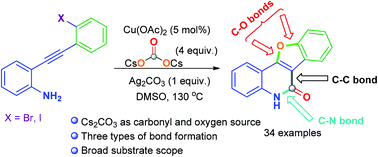
Cs2CO3 as a source of carbonyl and ethereal oxygen in a Cu-catalysed cascade synthesis of benzofuran [3,2-c] quinolin-6[5-H]ones

 SYNTHESIS  Comments Off on Cs2CO3 as a source of carbonyl and ethereal oxygen in a Cu-catalysed cascade synthesis of benzofuran [3,2-c] quinolin-6[5-H]ones
Jun 032016
 

Org. Biomol. Chem., 2016, Advance Article
DOI: 10.1039/C6OB01029F, Communication
Wajid Ali, Anju Modi, Ahalya Behera, Prakash Ranjan Mohanta, Bhisma K. Patel
Simultaneous construction of C-C, C-O, and C-N bonds utilizing Cs2CO3 as a source of carbonyl (CO) and ethereal oxygen and a cascade synthesis of benzofuro[3,2-c]quinolin-6(5H)-one are achieved using a combination of Cu(OAc)2 and Ag2CO3.

Cs2CO3 as a source of carbonyl and ethereal oxygen in a Cu-catalysed cascade synthesis of benzofuran [3,2-c] quinolin-6[5-H]ones

Cs2CO3 as a source of carbonyl and ethereal oxygen in a Cu-catalysed cascade synthesis of benzofuran [3,2-c] quinolin-6[5-H]ones

*Corresponing authors
a
Department of Chemistry, Indian Institute of Technology Guwahati, India
E-mail: [email protected]
Fax: +91-3612690762
Org. Biomol. Chem., 2016, Advance Article

DOI: 10.1039/C6OB01029F

http://pubs.rsc.org/en/Content/ArticleLanding/2016/OB/C6OB01029F?utm_source=feedburner&utm_medium=feed&utm_campaign=Feed%3A+rss%2FOB+%28RSC+-+Org.+Biomol.+Chem.+latest+articles%29#!divAbstract


The simultaneous construction of C–C, C–O, and C–N bonds utilizing Cs2CO3 as a source of both carbonyl (CO) and ethereal oxygen and a cascade synthesis of benzofuro[3,2-c]quinolin-6(5H)-one have been achieved using a combination of Cu(OAc)2 and Ag2CO3. A plausible mechanism has been proposed for this unprecedented transformation.


STR1


STR1


STR1

STR1

//////Cs2CO3,  carbonyl, ethereal oxygen,  Cu-catalysed , cascade synthesis,  o benzofuran [3,2-c] quinolin-6[5-H]ones

Share

Concise Cu (I) Catalyzed Synthesis of Substituted Benzofurans via a Tandem SNAr/C–O Coupling Process

 PROCESS, spectroscopy, SYNTHESIS  Comments Off on Concise Cu (I) Catalyzed Synthesis of Substituted Benzofurans via a Tandem SNAr/C–O Coupling Process
Jun 032016
 
Abstract Image

A novel and convergent approach to tetrasubstituted benzofurans was developed from ortho-bromo aryl fluorides and keto-amides via one-pot SNAr displacement and subsequent Cu(I) catalyzed C–O coupling on the ortho-bromide. The scope of this methodology was demonstrated on several similar substrates.

STR1

Concise Cu (I) Catalyzed Synthesis of Substituted Benzofurans via a Tandem SNAr/C–O Coupling Process

Zhiguo J. Song*et al
Department of Process Chemistry, Merck Research Laboratories, P.O. Box 2000, Rahway New Jersey 07065, United States
Org. Process Res. Dev., Article ASAP
DOI: 10.1021/acs.oprd.6b00141
Publication Date (Web): May 25, 2016
Copyright © 2016 American Chemical Society
Benzofurans are important building blocks for the synthesis of biologically active compounds in the pharmaceutical industry and compound 3 has been an important intermediate in Merck’s hepatitis C program.(1, 2)

1 as a pale yellow solid (3.1 kg, 86% yield, 98.8% LACP). Mp: > 240 °C.

1H NMR (400 MHz, DMSO-d6)δ 8.54 (d, J = 4.5 Hz, 1H), 8.07 (s, 1H), 8.07–7.94 (m, 3H), 7.42 (t, J = 8.9 Hz, 2H), 3.34 (s, 3H), 3.22 (d, J = 4.1 Hz, 3H), 2.85 (d, J = 4.6 Hz, 3H);13C NMR (100 MHz, DMSO-d6) δ 26.2, 38.2, 112.8, 113.4, 115.9 (d, J = 22 Hz), 119.7, 124.2, 125.2, 128.7, 129.6 (d, J = 8.8 Hz), 136.9, 151.8, 154.4, 162.4, 162.9 (d, J = 247.1 Hz).

19F NMR (376 MHz DMSO-d6) δ 109.9

AHR-FAB-MS calcd for C18H16BrFN2O4S: MH+, 455.2980. Found: 455.0055 (MH+).

  1. (a) Burns, C. J., Del Vecchio, A. M., Bailey, T. R., Kulkarni, B. A., Faitg, T. H., Sherk, S. R., Black-Ledge,C. W., Rys, D. J., Lessen, T. A., Swestock, J., Deng, Y., Nitz, Theodore, J., Reinardt, J. A., Feng, H., andSaha, A. K. Patent WO 2004041201.

    (b) McComas, C. C., Liverton, N. J., Habermann, J., Koch, U.,Narjes, F., Li, P., Peng, X., Soll, R., and Wu, H. WO 2011106929.

    (c) McComas, C. C., Liverton, N. J., Soll,R., Li, P., Peng, X., and Wu, H. WO 2011106986.

    (d) McComas, C. C., Liverton, N. J., Soll, R., Li, P.,Peng, X., Wu, H., Narjes, F., Habermann, J., Koch, U., and Liu, S. WO 2011106992.

    (e) McComas, C. C.,Liverton, N. J., Habermann, J., Koch, U., Narjes, F., Li, P., Peng, X., Soll, R., Wu, H., Palani, A., He, S.,Dai, X., Liu, H., Lai, Z., London, C., Xiao, D., zorn, N., and Nargund, R. WO 2013033971.

  2. He, S.; Li, P.; Dai, X.; McComas, C. C.; Du, C.; Wang, P.; Lai, Z.; Liu, H.; Yin, J.; Bulger, P. G.; Dang, Q.;Xiao, D.; Zorn, N.; Peng, X.; Nargund, R. P.; Palani, A. Tetrahedron Lett. 2014, 55, 22122216, DOI: 10.1016/j.tetlet.2014.02.051

//////Concise Cu (I),  Catalyzed,  Synthesis, Substituted Benzofurans, Tandem SNAr/C–O Coupling Process

Share

Surface-Cross-Linked Micelles as Multifunctionalized Organic Nanoparticles for Controlled Release, Light Harvesting, and Catalysis

 Uncategorized  Comments Off on Surface-Cross-Linked Micelles as Multifunctionalized Organic Nanoparticles for Controlled Release, Light Harvesting, and Catalysis
Jun 032016
 
Abstract Image

Surfactant micelles are dynamic entities with a rapid exchange of monomers. By “clicking” tripropargylammonium-containing surfactants with diazide cross-linkers, we obtained surface-cross-linked micelles (SCMs) that could be multifunctionalized for different applications. They triggered membrane fusion through tunable electrostatic interactions with lipid bilayers. Antenna chromophores could be installed on them to create artificial light-harvesting complexes with efficient energy migration among tens to hundreds of chromophores. When cleavable cross-linkers were used, the SCMs could break apart in response to redox or pH signals, ejecting entrapped contents quickly as a result of built-in electrostatic stress. They served as caged surfactants whose surface activity was turned on by environmental stimuli. They crossed cell membranes readily. Encapsulated fluorophores showed enhanced photophysical properties including improved quantum yields and greatly expanded Stokes shifts. Catalytic groups could be installed on the surface or in the interior, covalently attached or physically entrapped. As enzyme mimics, the SCMs enabled rational engineering of the microenvironment around the catalysts to afford activity and selectivity not possible with conventional catalysts.

Surface-Cross-Linked Micelles as Multifunctionalized Organic Nanoparticles for Controlled Release, Light Harvesting, and Catalysis

Department of Chemistry, Iowa State University, Ames, Iowa 50011-3111, United States
Langmuir, Article ASAP
DOI: 10.1021/acs.langmuir.6b01162
Publication Date (Web): May 15, 2016
Copyright © 2016 American Chemical Society
*Phone: 515-294-5845. Fax: 515-294-0105. E-mail: [email protected].

ACS Editors’ Choice – This is an open access article published under an ACS AuthorChoice License, which permits copying and redistribution of the article or any adaptations for non-commercial purposes.

Biography

Yan Zhao received his B.S. in chemistry from Lanzhou University in 1992 and his Ph.D. from Northwestern University in 1996 (Prof. Joseph B. Lambert). After a postdoctoral stay at the University of Illinois (Prof. Steven C. Zimmerman), he worked for the Procter & Gamble Company from 1998 to 2002 and is currently a professor of chemistry at Iowa State University. His areas of interest include the synthesis of molecules capable of controllable conformational changes and their use as “smart” sensors, materials, molecular transporters, and catalysts; self-assembly in water; biomimetic chemistry in materials synthesis and catalysis; and the design and construction of nanoscale structures.

/////Surface-Cross-Linked Micelles, Multifunctionalized , Organic Nanoparticles ,  Controlled Release, Light Harvesting,  Catalysis

Share

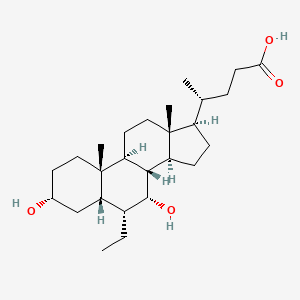
Obeticholic acid

 Uncategorized  Comments Off on Obeticholic acid
Jun 032016
 

Obeticholic acid.svg

Obeticholic acid

Obeticholic acid; 6-ECDCA; INT-747; 459789-99-2; 6-Ethylchenodeoxycholic acid; 6alpha-Ethyl-chenodeoxycholic acid;

(4R)-4-[(3R,5S,6R,7R,8S,9S,10S,13R,14S,17R)-6-ethyl-3,7-dihydroxy-10,13-dimethyl-2,3,4,5,6,7,8,9,11,12,14,15,16,17-tetradecahydro-1H-cyclopenta[a]phenanthren-17-yl]pentanoic acid

Molecular Formula: C26H44O4
Molecular Weight: 420.62516 g/mol

NDA Filed

A farnesoid X receptor (FXR) agonist potentially for treatment of primary biliary cirrhosis and nonalcoholic steatohepatitis.

6-ECDCA; DSP-1747; INT-747

CAS No.459789-99-2

Obeticholic acid.png

Obeticholic acid (abbreviated to OCA), is a semi-synthetic bile acid analogue which has the chemical structure 6α-ethyl-chenodeoxycholic acid. It has also been known as INT-747. It is undergoing development as a pharmaceutical agent for severalliver diseases and related disorders. Intercept Pharmaceuticals Inc. (NASDAQ symbol ICPT) hold the worldwide rights to develop OCA outside Japan and China, where it is licensed to Dainippon Sumitomo Pharma.[2]

REVIEW
INT-747(Obeticholic acid; 6-ECDCA) is a potent and selective FXR agonist(EC50=99 nM) endowed with anticholestatic activity. IC50 value: 99 nM(EC50) [1] Target: FXR agonist in vitro: The exposure of rat hepatocytes to 1 microM 6-ECDCA caused a 3- to 5-fold induction of small heterodimer partner (Shp) and bile salt export pump (bsep) mRNA and 70 to 80% reduction of cholesterol 7alpha-hydroxylase (cyp7a1), oxysterol 12beta-hydroxylase (cyp8b1), and Na(+)/taurocholate cotransporting peptide (ntcp) [2]. in vivo: In vivo administration of 6-ECDCA protects against cholestasis induced by E(2)17alpha [2]. high salt (HS) diet significantly increased systemic blood pressure. In addition, HS diet downregulated tissue DDAH expression while INT-747 protected the loss in DDAH expression and enhanced insulin sensitivity compared to vehicle controls [3]. Rats were gavaged with INT-747 or vehicle during 10 days after bile-duct ligation and then were assessed for changes in gut permeability, BTL, and tight-junction protein expression, immune cell recruitment, and cytokine expression in ileum, mesenteric lymph nodes, and spleen. After INT-747 treatment, natural killer cells and interferon-gamma expression markedly decreased, in association with normalized permeability selectively in ileum (up-regulated claudin-1 and occludin) and a significant reduction in BTL [4].

REFERENCES FOR ABOVE TEXT ONLY

[1] Verbeke L, et al. The FXR Agonist Obeticholic Acid Prevents Gut Barrier Dysfunction and Bacterial Translocation in Cholestatic Rats. Am J Pathol. 2015 Feb;185(2):409-19.
[2] Ghebremariam YT, et al. FXR agonist INT-747 upregulates DDAH expression and enhances insulin sensitivity in high-salt fed Dahl rats. PLoS One. 2013 Apr 4;8(4):e60653.
[3] Fiorucci S, et al. Protective effects of 6-ethyl chenodeoxycholic acid, a farnesoid X receptor ligand, in estrogen-induced cholestasis. J Pharmacol Exp Ther. 2005 May;313(2):604-12.
[4] Pellicciari R, et al. 6alpha-ethyl-chenodeoxycholic acid (6-ECDCA), a potent and selective FXR agonist endowed with anticholestatic activity. J Med Chem. 2002 Aug 15;45(17):3569-72.

Invention and development

The natural bile acid, chenodeoxycholic acid, was identified in 1999 as the most active physiological ligand for the farnesoid X receptor (FXR), which is involved in many physiological and pathological processes. A series of alkylated bile acid analogues were designed, studied and patented by Roberto Pellicciari and colleagues at the University of Perugia, with 6α-ethyl-chenodeoxycholic acid emerging as the most highly potent FXR agonist.[3] FXR-dependent processes in liver and intestine were proposed as therapeutic targets in human diseases.[4] Obeticholic acid is the first FXR agonist to be used in human drug studies.

Clinical studies

OCA is undergoing development in phase 2 and 3 studies for specific liver and gastrointestinal disorders.[5]

Primary biliary cirrhosis

Primary biliary cirrhosis (PBC) is an auto-immune, inflammatory liver disease which produces bile duct injury, fibrosis, cholestasisand eventual cirrhosis. It is much more common in women than men and can cause jaundice, itching (pruritus) and fatigue.Ursodeoxycholic acid therapy is beneficial, but the disease often progresses and may require liver transplantation.[6] Animal studies suggested that treatment with FXR agonists should be beneficial in cholestatic diseases such as PBC.[7] OCA at doses between 10 mg and 50 mg was shown to provide significant biochemical benefit, but pruritus was more frequent with higher doses.[8][9] The results of a randomized, double-blind phase 3 study of OCA, 5 mg or 10 mg, compared to placebo (POISE) were presented in April 2014, and showed that the drug met the trial’s primary endpoint of a significant reduction in serum alkaline phosphatase, abiomarker predictive of disease progression, liver transplantation or death.[10]

Nonalcoholic steatohepatitis (NASH)

Non-alcoholic steatohepatitis is a common cause of abnormal liver function with histological features of fatty liver, inflammation andfibrosis. It may progress to cirrhosis and is becoming an increasing indication for liver transplantation. It is increasing in prevalence. OCA is proposed to treat NASH.[11] A phase 2 trial published in 2013 showed that administration of OCA at 25 mg or 50 mg daily for 6 weeks reduced markers of liver inflammation and fibrosis and increased insulin sensitivity.[12]

The Farnesoid X Receptor Ligand Obeticholic Acid in Nonalcoholic Steatohepatitis Treatment (FLINT) trial, sponsored by NIDDK, was halted early in January 2014, after about half of the 283 subjects had completed the study, when a planned interim analysis showed that a) the primary endpoint had been met and b) lipid abnormalities were detected and arose safety concerns. Treatment with OCA (25 mg/day for 72 weeks) resulted in a highly statistically significant improvement in the primary histological endpoint, defined as a decrease in the NAFLD Activity Score of at least two points, with no worsening of fibrosis. 45% (50 of 110) of the treated group had this improvement compared with 21% (23 of 109) of the placebo-treated controls.[13] However concerns about longterm safety issues such as increased cholesterol and adverse cardiovascular events may warrant the concomitant use of statins in OCA-treated patients.[14]

Portal hypertension

Animal studies suggest that OCA improves intrahepatic vascular resistance and so may be of therapeutic benefit in portal hypertension.[15] An open label phase 2a clinical study is under way.

Bile acid diarrhea

Bile acid diarrhea (also called bile acid malabsorption) can be secondary to Crohn’s disease or be a primary condition. Reduced median levels of FGF19, an ileal hormone that regulates increased hepatic bile acid synthesis, have been found in this condition.[16] FGF19 is potently stimulated by bile acids and especially by OCA.[17] A proof of concept study of OCA (25 mg/d) has shown clinical and biochemical benefit.[18]

SYNTHESIS

CN 105541953

Take 10g of austempered cholic acid 89.6% purity crude (single hetero greater than 2%), 3 times its weight of acetone and added to their 20% by weight of triethylamine was added, was heated at reflux for 2h, cooled slowly to 10 ° C, the precipitated crystals were filtered to give Obey acid organic amine salt crystals.

Acidification [0020] The organic amine salts Obey acid crystals were dissolved with purified water after 10wt% by mass percentage to the PH value of 2.0 with dilute hydrochloric acid, filtered and dried to give purified Obey acid.

[0021] The purified Obey acid ethyl acetate dissolved by heating and then cooling to 20 ° C, the precipitated crystals were filtered and dried to obtain a purity of 98.7% recrystallization Obey acid (single hetero less than 0.1%), recovery was 84.5%.

PATENT

 WO 2016045480 

Obey acid (as shown in formula I) is a semi-synthetic chenodeoxycholic acid derivative, for the treatment of high blood pressure, the portal vein and liver diseases, including primary biliary cirrhosis, bile acid diarrhea, non-alcoholic steatohepatitis. Obey acid through activation of FXR receptors play a role, FXR is a nuclear receptor, is expressed mainly in the liver, intestine, kidney, and it can be adjusted with acids fat and carbohydrate metabolism related gene expression in bile, also regulate immune response. FXR activation can inhibit the synthesis of bile acids, bile acids prevent excessive accumulation of toxic reactions caused.


WO2002072598 debuted Obey acid preparation method (shown below), which in strong alkaline conditions to give compound VII by alkylation with ethyl iodide compound VI directly, through reducing compound VII prepared and carboxy deprotection Obey acid. However, due to direct alkylation with ethyl iodide poor selectivity and yield is too low, the synthesis process is difficult to achieve amplification synthesis.


Obey bile acid synthesis (WO2002072598)


WO2006122977 above synthesis process has been improved (see below), the process by the silicon compound IX into protected enol compound X, compound X and acetaldehyde after dehydration condensation to give compound Vb, after compound Vb in alkaline conditions under palladium on carbon hydrogenation to give compound XI, after a carbonyl compound XI reduction system Obey acid.


Obey bile acid synthesis (WO2006122977)


The synthetic process can be achieved, although the enlarged combined, however, the compound Vb produce large amounts of byproducts under strongly alkaline conditions palladium on carbon hydrogenation process for preparing high temperature and strong alkaline compound XI during this step leading to the separation of income a lower rate (about 60%), low yield of this step may be due to compound Vb and XI in unprotected hydroxy dehydration occurs under strongly basic (30% NaOH) and high temperature (95-105 ℃) conditions side effects caused.
synthesis of bile acids Obey,

Obey bile acid synthesis route is as follows:

PATENT

CN 105175473

According to Obey acid 6 was prepared in the form of C Patent Document W02013192097A1 reaction of Example 1, as follows:

The 3 a – hydroxy -6 a – ethyl-7-keto -5 P – 24-oic acid (. 86g, 205 4mmol), water (688mL) and 50% (w / w) hydrogen sodium hydroxide solution (56. 4mL) and the mixture of sodium borohydride (7. 77g, 205. 4mmol) in a mixture of 50% (w / w) sodium hydroxide solution (1.5 mL of) and water (20 mL) in 90 ° in C to 105 ° C reaction. Was heated with stirring under reflux for at least 3 hours, the reaction was completed, the reaction solution was cooled to 80 ° C. Between 30 ° C at 50 ° C of citric acid (320. 2g, anhydrous), a mixture of n-butyl acetate (860 mL of) and water (491mL) to ensure an acidic pH of the aqueous phase was separated. Evaporation of the organic phase was distilled to give the residue was diluted with n-butyl acetate, slowly cooled to 15 ° C to 20 ° C, centrifugation. The crude product was crystallized from n-butyl acetate. After Obey acid isolated by n-butyl acetate (43mL, 4 times), dried samples were dried at 80 ° C under vacuum. To give 67. 34g (77. 9%) crystalline form C Obey acid.


Patent

WO2016107575

Obey acid (Obeticholic acid), developed by Intercept company farnesol X receptor (FXR) agonist, for the treatment of primary biliary cirrhosis (PBC) and nonalcoholic steatohepatitis (NASH). Obey acid is currently in Phase III clinical studies, the Phase III study shows Obey acid treatment of primary biliary cirrhosis have optimistic data, more than 20 years may become the future treatment of primary biliary cirrhosis A new method of choice, and Obey acid on improving nonalcoholic steatohepatitis important role. Obey acid, also known as 6-ethyl-chenodeoxycholic acid, and its structural formula is as follows:


(I)


Pharmaceutical polymorphs (drug polymorphism) refers to the presence of the drug has a different crystalline state of matter of two or more.Polymorphism in drugs is widespread. Different polymorphs of the same drug have significant differences in solubility, melting point, density, stability, etc., which to varying degrees, affect the stability of the drug, uniformity, bioavailability, efficacy and safety. Thus, the pharmaceutical research and development carried out comprehensive polymorph screening system to select the most suitable for the development of the crystalline form, it is one of the important research can not be ignored.
Currently, although there are reports of polymorph Obey acid but the reported crystal forms were prepared as amorphous Obey without intermediate acid product, for the purposes of purification of products, rather than as a product . For example WO2013192097 reported the first preparation Obey bile acid Form C, Form C will then be converted to amorphous Obey acid products. It has been reported as an intermediate product purified acid crystalline Obey obviously not suitable as a final product, since these polymorphic purity, and stability are poor, and there may be still other undesirable defects such WO2013192097 reported in Form C, which contains n-heptane.
Example 1
Obey acid Form A preparation method:
The 216.3 mg Obey acid powder was added to 5.0 mL volume ratio of 1: ethyl acetate and n-heptane mixed solvent 9 to prepare a suspension. The suspension was put stirred for 48 hours at room temperature, filtered and the resulting cake was placed in a dry 25 ℃ vacuum oven overnight, the resulting solid was tested as Form A.
Type A crystal obtained in Example X-ray powder diffraction data are shown in Table 1 embodiment. Its XRPD pattern as shown in Figure 1, which is shown in Figure 2 DSC, TGA which is shown in Figure 3.
Also, by evaporative light scattering method Obey acid Form A purity of 99.54%.
The Form A for 90 days at 5 ℃ condition X-ray powder diffraction, FIG. 1 is substantially the same XRPD obtained in FIG.
Table 1

[Table 1]

2theta d spacing Relative strength%
4.95 17.87 55.14
5.26 16.79 51.49
6.22 14.20 100.00
7.22 12.24 39.00
7.66 11.54 49.18
8.90 9.93 42.81
9.36 9.44 38.30
9.95 8.89 43.47
10.45 8.46 30.64
10.97 8.06 20.12
12.51 7.08 99.90
14.89 5.95 32.18
15.69 5.65 62.49
15.96 5.55 37.49
16.47 5.38 49.44
17.23 5.15 30.92
17.95 4.94 28.12
18.87 4.70 36.32
19.56 4.54 31.45
20.57 4.32 21.24
21.34 4.16 15.50
22.70 3.92 7.95
23.46 3.79 6.10
24.72 3.60 6.51
25.11 3.55 7.62

References

  1.  Gioiello, Antimo; Macchiarulo, Antonio; Carotti, Andrea; Filipponi, Paolo; Costantino, Gabriele; Rizzo, Giovanni; Adorini, Luciano; Pellicciari, Roberto (April 2011). “Extending SAR of bile acids as FXR ligands: Discovery of 23-N-(carbocinnamyloxy)-3α,7α-dihydroxy-6α-ethyl-24-nor-5β-cholan-23-amine”. Bioorganic & Medicinal Chemistry 19 (8): 2650–2658.doi:10.1016/j.bmc.2011.03.004.
  2.  Wall Street Journal. “A $4 Billion Surprise for 45-Person Biotech”. Retrieved10 January 2014.
  3.  Pellicciari R, Fiorucci S, Camaioni E, Clerici C, Costantino G, Maloney PR, Morelli A, Parks DJ, Willson TM (August 2002). “6alpha-ethyl-chenodeoxycholic acid (6-ECDCA), a potent and selective FXR agonist endowed with anticholestatic activity”. J. Med. Chem. 45(17): 3569–72. doi:10.1021/jm025529g. PMID 12166927.
  4.  Rizzo G, Renga B, Mencarelli A, Pellicciari R, Fiorucci S (September 2005). “Role of FXR in regulating bile acid homeostasis and relevance for human diseases”. Curr. Drug Targets Immune Endocr. Metabol. Disord. 5 (3): 289–303. doi:10.2174/1568008054863781.PMID 16178789.
  5.  “ClinicalTrials.gov”.
  6.  Hirschfield GM, Gershwin ME (January 2013). “The immunobiology and pathophysiology of primary biliary cirrhosis”. Annu Rev Pathol 8: 303–30. doi:10.1146/annurev-pathol-020712-164014. PMID 23347352.
  7.  Lindor, KD (May 2011). “Farnesoid X receptor agonists for primary biliary cirrhosis”.Current opinion in gastroenterology 27 (3): 285–8.doi:10.1097/MOG.0b013e32834452c8. PMID 21297469.
  8.  Fiorucci S, Cipriani S, Mencarelli A, Baldelli F, Bifulco G, Zampella A (August 2011). “Farnesoid X receptor agonist for the treatment of liver and metabolic disorders: focus on 6-ethyl-CDCA”. Mini Rev Med Chem 11 (9): 753–62. doi:10.2174/138955711796355258.PMID 21707532.
  9.  Hirschfield GM, Mason A, Luketic V, Lindor K, Gordon SC, Mayo M, Kowdley KV, Vincent C, Bodhenheimer HC, Parés A, Trauner M, Marschall HU, Adorini L, Sciacca C, Beecher-Jones T, Castelloe E, Böhm O, Shapiro D (2015). “Efficacy of obeticholic acid in patients with primary biliary cirrhosis and inadequate response to ursodeoxycholic acid”.Gastroenterology 148 (4): 751–61.e8. doi:10.1053/j.gastro.2014.12.005.PMID 25500425.
  10.  Intercept Pharma. “Press release: Intercept Announces Positive Pivotal Phase 3 POISE Trial Results”. Retrieved March 27, 2014.
  11.  Adorini L, Pruzanski M, Shapiro D (September 2012). “Farnesoid X receptor targeting to treat nonalcoholic steatohepatitis”. Drug Discov. Today 17 (17–18): 988–97.doi:10.1016/j.drudis.2012.05.012. PMID 22652341.
  12.  Mudaliar S, Henry RR, Sanyal AJ, Morrow L, Marschall HU, Kipnes M, Adorini L, Sciacca CI, Clopton P, Castelloe E, Dillon P, Pruzanski M, Shapiro D (September 2013). “Efficacy and safety of the farnesoid X receptor agonist obeticholic acid in patients with type 2 diabetes and nonalcoholic fatty liver disease”. Gastroenterology 145 (3): 574–82.e1.doi:10.1053/j.gastro.2013.05.042. PMID 23727264.
  13.  Neuschwander-Tetri BA, Loomba R, Sanyal AJ, Lavine JE, Van Natta ML, Abdelmalek MF, Chalasani N, Dasarathy S, Diehl AM, Hameed B, Kowdley KV, McCullough A, Terrault N, Clark JM, Tonascia J, Brunt EM, Kleiner DE, Doo E (2015). “Farnesoid X nuclear receptor ligand obeticholic acid for non-cirrhotic, non-alcoholic steatohepatitis (FLINT): a multicentre, randomised, placebo-controlled trial”. Lancet 385 (9972): 956–65.doi:10.1016/S0140-6736(14)61933-4. PMID 25468160.
  14.  http://www.thestreet.com/story/12714549/1/intercept-pharma-government-scientists-spar-over-negative-safety-of-liver-drug-emails-show.html?puc=yahoo&cm_ven=YAHOO
  15.  Verbeke L, Farre R, Trebicka J, Komuta M, Roskams T, Klein S, Vander Elst I, Windmolders P, Vanuytsel T, Nevens F, Laleman W (November 2013). “Obeticholic acid, a farnesoid-X receptor agonist, improves portal hypertension by two distinct pathways in cirrhotic rats”. Hepatology 59 (6): :2286–98. doi:10.1002/hep.26939. PMID 24259407.
  16.  Walters JR, Tasleem AM, Omer OS, Brydon WG, Dew T, le Roux CW (November 2009). “A new mechanism for bile acid diarrhea: defective feedback inhibition of bile acid biosynthesis”. Clin. Gastroenterol. Hepatol. 7 (11): 1189–94.doi:10.1016/j.cgh.2009.04.024. PMID 19426836.
  17.  Zhang JH, Nolan JD, Kennie SL, Johnston IM, Dew T, Dixon PH, Williamson C, Walters JR (May 2013). “Potent stimulation of fibroblast growth factor 19 expression in the human ileum by bile acids”. Am. J. Physiol. Gastrointest. Liver Physiol. 304 (10): G940–8.doi:10.1152/ajpgi.00398.2012. PMC 3652069. PMID 23518683.
  18.  Walters JR, Johnston IM, Nolan JD, Vassie C, Pruzanski ME, Shapiro DA (January 2015). “The response of patients with bile acid diarrhoea to the farnesoid X receptor agonist obeticholic acid”. Aliment. Pharmacol. Ther. 41 (1): 54–64.doi:10.1111/apt.12999. PMID 25329562.

External links

Patent ID Date Patent Title
US8546365 2013-10-01 Bile acid derivatives as FXR ligands for the prevention or treatment of FXR-mediated diseases or conditions
US8377916 2013-02-19 Steroids as agonists for FXR
US8058267 2011-11-15 STEROIDS AS AGONISTS FOR FXR
US7994352 2011-08-09 Process for Preparing 3a(Beta)-7a(Beta)-Dihydroxy-6a(Beta)-Alkyl-5Beta-Cholanic Acid
US7932244 2011-04-26 Bile acid derivatives as FXR ligands for the prevention or treatment of FXR-mediated diseases or conditions
US7786102 2010-08-31 Steroids as agonists for FXR
US2009062526 2009-03-05 NOVEL METHOD OF SYNTHESIZING ALKYLATED BILE ACID DERIVATIVES
US7138390 2006-11-21 Steroids as agonists for fxr
US2005107475 2005-05-19 Methods of using farnesoid x receptor (frx) agonists
Patent ID Date Patent Title
US2016074419 2016-03-17 Preparation and Uses of Obeticholic Acid
US2015359805 2015-12-17 Bile Acid Derivatives as FXR Ligands for the Prevention or Treatment of FXR-Mediated Diseases or Conditions
US2015166598 2015-06-18 Steroids as Agonists for FXR
US2014371190 2014-12-18 Farnesoid X receptor modulators
US2014186438 2014-07-03 COMPOSITIONS COMPRISING EPA AND OBETICHOLIC ACID AND METHODS OF USE THEREOF
US2014148428 2014-05-29 Treatment of Pulmonary Disease
US2014057886 2014-02-27 Bile Acid Derivatives as FXR Ligands for the Prevention or Treatment of FXR-Mediated Diseases or Conditions
US2014024631 2014-01-23 Steroids as Agonists for FXR
US2013345188 2013-12-26 Preparation and Uses of Obeticholic Acid
US8546365 2013-10-01 Bile acid derivatives as FXR ligands for the prevention or treatment of FXR-mediated diseases or conditions
Obeticholic acid
Obeticholic acid.svg
Systematic (IUPAC) name

(3α,5β,6α,7α)-6-Ethyl-3,7-dihydroxycholan-24-oic acidOR

(4R)-4-[(3R,5S,6R,7R,8S,9S,10S,13R,14S,17R)-6-ethyl-3,7-dihydroxy-10,13-dimethyl-2,3,4,5,6,7,8,9,11,12,14,15,16,17-tetradecahydro-1H-cyclopenta[a]phenanthren-17-yl]pentanoic acid

Clinical data
Routes of
administration
Oral
Legal status
Legal status
  • Investigational New Drug
Identifiers
CAS Number 459789-99-2
ATC code A05AA04 (WHO)
PubChem CID 447715
IUPHAR/BPS 3435
ChemSpider 394730
UNII 0462Z4S4OZ
KEGG C15636
ChEMBL CHEMBL566315
Synonyms 6α-ethyl-chenodeoxycholic acid; INT-747
Chemical data
Formula C26H44O4
Molar mass 420.62516 g/mol

/////////6-ECDCA,  DSP-1747,  INT-747, 459789-99-2, Obeticholic acid

CC[C@@H]1[C@@H]2C[C@@H](CC[C@@]2([C@H]3CC[C@]4([C@H]([C@@H]3[C@@H]1O)CC[C@@H]4[C@H](C)CCC(=O)O)C)C)O

CCC1C2CC(CCC2(C3CCC4(C(C3C1O)CCC4C(C)CCC(=O)O)C)C)O

Share

Flow Chemistry Symposium & Workshop 16-17 June at IICT, Hyderabad, India

 flow synthesis  Comments Off on Flow Chemistry Symposium & Workshop 16-17 June at IICT, Hyderabad, India
Jun 022016
 

STR1


MESSAGE FROM VIJAY KIRPALANI

2-day FLOW CHEMISTRY Symposium + Workshop has been organized on 16-17 June 2016 at

IICT Hyderabad, India   by Flow Chemistry Society – India Chapter (in collaboration with IICT-Hyderabad & IIT-B)

with speakers from India, UK, Netherlands and Hungary.

Both days have intensive interactive sessions on the theory and industrial applications of Flow Chemistry followed by live demonstrations using 7 different Flow Reactor platforms — from microliters to 10,000 L/day industrial scale.

The Fees are Rs. 5,000 for Industry Delegates and Rs. 2,500 for Academic Delegates (+15% Service Tax) : contact : vk@pi-inc.co or msingh@cipla.com

I have attached a detailed program and look forward to meeting you at the event..

STR1
​​

Vijay Kirpalani

Best regards

Vijay Kirpalani
President
Flow Chemistry Society – India Chapter
email : [email protected]
Tel: +91-9321342022 // +91-9821342022


ABOUT

IICT, Hyderabad, India

Dr. S. Chandrasekhar,
Director

CSIR-Indian Institute of Chemical Technology (IICT)

Hyderabad, India


SPEAKERS

Vijay Kirpalani

Mr Vijay Kirpalani

President
Flow Chemistry Society – India Chapter, INDIA


Charlotte Wiles

Dr Charlotte Wiles , CHEMTRIX

UK &THE NETHERLANDS,UNIV OF HULL


Prof. Anil Kumar

Prof Anil Kumar( IIT-B), INDIA


Manjinder Singh

TAN DOORI CHICKEN  IN HYDERABAD


BIRYANI

/////

The views expressed are my personal and in no-way suggest the views of the professional body or the company that I represent,

Share
Follow

Get every new post on this blog delivered to your Inbox.

Join other followers: