AUTHOR OF THIS BLOG

DR ANTHONY MELVIN CRASTO, WORLDDRUGTRACKER

Entecavir, энтекавир , إينتيكافير , 恩替卡韦 , エンテカビル

 GENERIC, Uncategorized  Comments Off on Entecavir, энтекавир , إينتيكافير , 恩替卡韦 , エンテカビル
Feb 232018
 

Entecavir structure.svg

ChemSpider 2D Image | entecavir | C12H15N5O3Entecavir.png

Entecavir

  • Molecular FormulaC12H15N5O3
  • Average mass277.279 Da
NNU2O4609D
QA-0464
SQ 34,676
SQ34676
Teviral
UNII:NNU2O4609D
Entecavir; 142217-69-4; Baraclude; BMS 200475; Anhydrous entecavir; UNII-NNU2O4609D
энтекавир [Russian] [INN]
إينتيكافير [Arabic] [INN]
恩替卡韦 [Chinese] [INN]
エンテカビル  JAPANESE
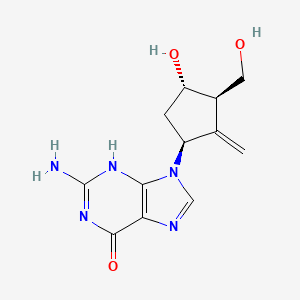
2-amino-9-[(1S,3R,4S)-4-hydroxy-3-(hydroxymethyl)-2-methylidenecyclopentyl]-9H-purin-6-ol
6H-Purin-6-one, 2-amino-1,9-dihydro-9-((1S,3R,4S)-4-hydroxy-3-(hydroxymethyl)-2-methylenecyclopentyl)-
6H-Purin-6-one, 2-amino-1,9-dihydro-9-[(1S,3R,4S)-4-hydroxy-3-(hydroxymethyl)-2-methylenecyclopentyl]-
9H-purin-6-ol, 2-amino-9-[(1S,3R,4S)-4-hydroxy-3-(hydroxymethyl)-2-methylenecyclopentyl]-
Baraclude[Trade name]
CAS 142217-69-4

Baraclude (Entecavir) Film Coated Tablets & Oral Solution
Company:  Bristol-Myers Squibb Pharmaceutical Co.
Application No.:  021797 & 021798
Approval Date: 03/29/2005

STR1

BARACLUDE® is the tradename for entecavir, a guanosine nucleoside analogue with selective activity against HBV. The chemical name for entecavir is 2-amino-1,9-dihydro-9-[(1S,3R,4S)-4-hydroxy-3-(hydroxymethyl)-2-methylenecyclopentyl]-6H-purin-6-one, monohydrate. Its molecular formula is C12H15N5O3•H2O, which corresponds to a molecular weight of 295.3. Entecavir has the following structural formula:


BARACLUDE® (entecavir) Structural Formula Illustration

Entecavir is a white to off-white powder. It is slightly soluble in water (2.4 mg/mL), and the pH of the saturated solution in water is 7.9 at 25° C ± 0.5° C.

BARACLUDE film-coated tablets are available for oral administration in strengths of 0.5 mg and 1 mg of entecavir. BARACLUDE 0.5 mg and 1 mg film-coated tablets contain the following inactive ingredients: lactose monohydrate, microcrystalline cellulose, crospovidone, povidone, and magnesium stearate. The tablet coating contains titanium dioxide, hypromellose, polyethylene glycol 400, polysorbate 80 (0.5 mg tablet only), and iron oxide red (1 mg tablet only). BARACLUDE Oral Solution is available for oral administration as a ready-to-use solution containing 0.05 mg of entecavir per milliliter. BARACLUDE Oral Solution contains the following inactive ingredients: maltitol, sodium citrate, citric acid, methylparaben, propylparaben, and orange flavor.

Entecavir 
Title: Entecavir
CAS Registry Number: 142217-69-4
CAS Name: 2-Amino-1,9-dihydro-9-[(1S,3R,4S)-4-hydroxy-3-(hydroxymethyl)-2-methylenecyclopentyl]-6H-purin-6-one
Molecular Formula: C12H15N5O3
Molecular Weight: 277.28
Percent Composition: C 51.98%, H 5.45%, N 25.26%, O 17.31%
Literature References: Deoxyguanine nucleoside analog; inhibits hepatitis B virus (HBV) DNA polymerase. Prepn: R. Zahler, W. A. Slusarchyk, EP481754eidem,US5206244 (1992, 1993 both to Squibb); G. S. Bisacchi et al.,Bioorg. Med. Chem. Lett.7, 127 (1997). In vitro antiviral activity: S. F. Innaimo et al,Antimicrob. Agents Chemother.41, 1444 (1997). Review of pharmacology and clinical experience: P. Honkoop, R. A. de Man, Expert Opin. Invest. Drugs12, 683-688 (2003); T. Shaw, S. Locarnini, Expert Rev. Anti Infect. Ther.2, 853-871 (2004). Clinical comparisons with lamivudine in chronic hepatitis B: T.-T. Chang et al., N. Engl. J. Med.354, 1001 (2006); C.-L. Lai et al., ibid. 1011.
Derivative Type: Monohydrate
CAS Registry Number: 209216-23-9
Manufacturers’ Codes: BMS-200475; SQ-200475
Trademarks: Baraclude (BMS)
Molecular Formula: C12H15N5O3.H2O
Molecular Weight: 295.29
Percent Composition: C 48.81%, H 5.80%, N 23.72%, O 21.67%
Properties: White to off-white powder, mp >220°. [a]D +35.0° (c = 0.38 in water). Soly in water: 2.4 mg/ml. pH of saturated soln in water is 7.9 at 25°±0.5°.
Melting point: mp >220°
Optical Rotation: [a]D +35.0° (c = 0.38 in water)
Therap-Cat: Antiviral.
Keywords: Antiviral; Purines/Pyrimidinones.
Figure
Antiviral agents used against HBV

Entecavir is an oral antiviral drug used in the treatment of hepatitis B infection. It is marketed under the trade name Baraclude (BMS).

Entecavir is a guanine analogue that inhibits all three steps in the viral replication process, and the manufacturer claims that it is more efficacious than previous agents used to treat hepatitis B (lamivudine and adefovir). It was approved by the U.S. Food and Drug Administration (FDA) in March 2005.

For the treatment of chronic hepatitis B virus infection in adults with evidence of active viral replication and either evidence of persistent elevations in serum aminotransferases (ALT or AST) or histologically active disease.

Entecavir (ETV), sold under the brand name Baraclude, is an antiviral medication used in the treatment of hepatitis B virus (HBV) infection.[1] In those with both HIV/AIDS and HBV antiretroviral medication should also be used.[1] Entecavir is taken by mouth as a tablet or solution.[1]

Common side effects include headache, nausea, high blood sugar, and decreased kidney function.[1] Severe side effects include enlargement of the liverhigh blood lactate levels, and liver inflammation if the medication is stopped.[1] While there appears to be no harm from use during pregnancy, this use has not been well studied.[4] Entecavir is in the nucleoside reverse transcriptase inhibitors(NRTIs) family of medications.[1] It prevents the hepatitis B virus from multiplying by blocking reverse transcriptase.[1]

Entecavir was approved for medical use in 2005.[1] It is on the World Health Organization’s List of Essential Medicines, the most effective and safe medicines needed in a health system.[5] In the United States as of 2015 it is not available as a generic medication.[6]The wholesale price is about 392 USD for a typical month supply as of 2016 in the United States.[7]

Medical uses

Entecavir is mainly used to treat chronic hepatitis B infection in adults and children 2 years and older with active viral replication and evidence of active disease with elevations in liver enzymes.[2] It is also used to prevent HBV reinfection after liver transplant[8] and to treat HIV patients infected with HBV. Entecavir is weakly active against HIV, but is not recommended for use in HIV-HBV co-infected patients without a fully suppressive anti-HIV regimen[9] as it may select for resistance to lamivudine and emtricitabine in HIV.[10]

The efficacy of entecavir has been studied in several randomized, double-blind, multicentre trials. Entecavir by mouth is effective and generally well tolerated treatment.[11]

Pregnancy and breastfeeding

It is considered pregnancy category C in the United States, and currently no adequate and well-controlled studies exist in pregnant women.[12]

Side effects

The majority of people who use entecavir have little to no side effects.[13] The most common side effects include headache, fatigue, dizziness, and nausea.[2] Less common effects include trouble sleeping and gastrointestinal symptoms such as sour stomach, diarrhea, and vomiting.[14]

Serious side effects from entecavir include lactic acidosis, liver problemsliver enlargement, and fat in the liver.[15]

Laboratory tests may show an increase in alanine transaminase (ALT), hematuriaglycosuria, and an increase in lipase.[16] Periodic monitoring of hepatic function and hematology are recommended.[2]

Mechanism of action

Entecavir is a nucleoside analog,[17] or more specifically, a deoxyguanosine analogue that belongs to a class of carbocyclic nucleosidesand inhibits reverse transcriptionDNA replication and transcription in the viral replication process. Other nucleoside and nucleotide analogues include lamivudinetelbivudineadefovir dipivoxil, and tenofovir.

Entecavir reduces the amount of HBV in the blood by reducing its ability to multiply and infect new cells.[18]

Administration

Entecavir is take by mouth as a tablet or solution. Doses are based on a person’s weight.[15] The solution is recommended for children more than 2 years old who weigh up to 30 kg. Entecavir is recommended on an empty stomach at least 2 hours before or after a meal, generally at the same time every day. It is not used in children less than 2 years old. Dose adjustments are also recommended for people with decreased kidney function.[15]

History

  • 1992: SQ-34676 at Squibb as part of anti-herpes virus program[19]
  • 1997: BMS 200475 developed at BMS pharmaceutical research institute as antiviral nucleoside analogue à Activity demonstrated against HBV, HSV-1, HCMV, VZV in cell lines & no or little activity against HIV or influenza[20]
  • Superior activity observed against HBV pushed research towards BMS 200475, its base analogues and its enantiomer against HBV in HepG2.2.15 cell line[20]
  • Comparison to other NAs, proven more selective potent inhibitor of HBV by virtue of being Guanine NA[21]
  • 1998: Inhibition of hepadnaviral polymerases was demonstrated in vitro in comparison to a number of NAs-TP[22]
  • Metabolic studies showed more efficient phosphorylation to triphosphate active form[23]
  • 3-year treatment of woodchuck model of CHB à sustained antiviral efficacy and prolonged life spans without detectable emergence of resistance[24]
  • Efficacy # LVD resistant HBV replication in vitro[25]
  • Superior activity compared to LVD in vivo for both HBeAg+ & HBeAg− patients[26][27]
  • Efficacy in LVD refractory CHB patients[28]
  • Entecavir was approved by the U.S. FDA in March 2005.

Patent information

Bristol-Myers Squibb was the original patent holder for Baraclude, the brand name of entecavir in the US and Canada. The drug patent expiration for Baraclude was in 2015.[29][30]On August 26, 2014, Teva Pharmaceuticals USA gained FDA approval for generic equivalents of Baraclude 0.5 mg and 1 mg tablets;[31] Hetero Labs received such approval on August 21, 2015;[32] and Aurobindo Pharma on August 26, 2015.[33]

Chronic hepatitis B virus infection is one of the most severe liver diseases in morbidity and death rate in the worldwide range. At present, pharmaceuticals for treating chronic hepatitis B (CHB) virus infection are classified to interferon α and nucleoside/nucleotide analogue, i.e. Lamivudine and Adefovir. However, these pharmaceuticals can not meet needs for doctors and patients in treating chronic hepatitis B virus infection because of their respective limitation. Entecavir (ETV) is referred to as 2′-cyclopentyl deoxyguanosine (BMS2000475) which belongs to analogues of Guanine nucleotide and is phosphorylated to form an active triple phosphate in vivo. The triple phosphate of entecavir inhibits HBV polymerase by competition with 2′-deoxyguanosine-5′-triphosphate as a nature substrate of HBV polymerase, so as to achieve the purpose of effectively treating chronic hepatitis B virus infection and have strong anti-HBV effects. Entecavir, [1S-(1α,3α,4β)]-2-amino-1,9-dihydro-9-[4-hydroxy-3-hydroxymethyl]-2-methylenecyclopentyl]-6H-purin-6-one, monohydrate, and has the molecular formula of C12H15N5O3.H2O and the molecular weight of 295.3. Its structural formula is as follows:

Figure US20140220120A1-20140807-C00001

Entecavir was successfully developed by Bristol-Myers Squibb Co. of USA first and the trademark of the product formulation is Baraclude™, including two types of formulations of tablet and oral solution having 0.5 mg and 1 mg of dosage. Chinese publication No. CN1310999 made by COLONNO, Richard, J. et al discloses a low amount of entecavir and uses of the composition containing entecavir in combination with other pharmaceutically active substances for treating hepatitis B virus infection, however, the entecavir is non-crystal. In addition, its oral formulations such as tablet and capsule are made by a boiling granulating process. The process is too complicated to control quality of products during humidity heat treatment even though ensuring uniform distribution of the active ingredients.

Entecavir, [1-S-(1α,3α,4β)]-2-amino-1,9-dihydro-9-[4-hydroxy-3-(hydroxymethyl)-2-methylenecyclopentyl]-6H-purin-6-one, is currently used for treating hepatitis B virus infection, whose structure is composed of a cyclopentane ring having purine, exomethylene, hydroxymethyl, and hydroxy substituents at the 1S-, 2-, 3R-, and 4S-positions, respectively. There have been conducted a number of studies to develop methods for preparing entecavir.

For example, U.S. Pat. No. 5,206,244 and WO 98/09964 disclose a method for preparing entecavir shown in Reaction Scheme 1:Figure imgb0001

The above method, however, has difficulties in that: i) the cyclopentadiene monomer must be maintained at a temperature lower than -30 °C in order to prevent its conversion to dicyclopentadiene; ii) residual sodium after the reaction as well as the sensitivity of the reaction toward moisture cause problems; iii) the process to obtain the intermediate of formula a) must be carried out at an extremely low temperature of below -70 °C in order to prevent the generation of isomers; iv) a decantation method is required when (-)-Ipc2BH (diisopinocampheylborane) is used for hydroboration; v) the process of the intermediate of formula a) does not proceed smoothly; and, vi) separation by column chromatography using CHP-20P resin is required to purify entecavir.

WO 2004/52310 and U.S. Pat. Publication No. 2005/0272932 disclose a method for preparing entecavir using the intermediate of formula (66), which is prepared as shown in Reaction Scheme 2:

Figure imgb0002

The above preparation method of the intermediate of formula (66) must be carried out at an extremely low temperature of -70 °C or less, and the yield of the desired product in the optical resolution step is less than 50%.

PATENT

https://patents.google.com/patent/EP2382217B1

Image result for Entecavir

(3-4) Preparation of [1-S-(1α,3α,4β)]-2-amino-1,9-dihydro-9-[4-hydroxy-3-(hydroxymethyl)-2-methylenecyclopentyl]-6H-purine-6-one (a compound of formula (1))

34 mg (0.115 mmol) of 4-(2-amino-6-chloro-purine-9-yl)-2-hydroxymethyl-3-methylene-cyclopentanol (a compound of formula (5)) obtained in (3-3) was added to 0.7 ml of 2N aqueous sodium hydroxide, and the resulting mixture was stirred. The solution thus obtained was heated to 72 °C and stirred for 3.5 hrs. After completion of the reaction, the resulting mixture was cooled to 0 °C, controlled to pH 6.3 by adding 2N aqueous hydrochloric acid and 1N aqueous hydrochloric acid, and condensed to obtain 24 mg of the title compound (yield: 70 %, purity: 99 %).

NMR(300MHz, DMSO-d6): δ 10.58 (s, 1H), 7.67 (s, 1H), 6.42 (s, 2H), 5.36 (t, 1H), 5.11 (s, 1H), 4.86 (d, 1H), 4.83 (t, 1H), 4.57 (s, 1H), 4.24 (s, 1H), 3.54 (t, 2H), 2.53(s, 1H), 2.27-2.18 (m, 1H), 2.08-2.01(m, 1H).


PAPER

https://www.sciencedirect.com/science/article/pii/S0040403911020144

Image result for Entecavir

Image result for Entecavir NMR

Image result for Entecavir NMR

PAPER

https://www.sciencedirect.com/science/article/pii/S0040402017313029

Image result for Entecavir NMR

Image result for Entecavir NMR


PAPER

Total Synthesis of Entecavir: A Robust Route for Pilot Production

Launch-Pharma Technologies, Ltd., 188 Kaiyuan Boulevard, Building D, Fifth Floor, The Science Park of Guangzhou, Guangzhou 510530, China
Org. Process Res. Dev., Article ASAP
DOI: 10.1021/acs.oprd.8b00007
Publication Date (Web): February 12, 2018
Copyright © 2018 American Chemical Society
*E-mail: [email protected]., *E-mail: [email protected].
Abstract Image

A practical synthetic route for pilot production of entecavir is described. It is safe, robust, and scalable to kilogram scale. Starting from (S)-(+)-carvone, this synthetic route consists of a series of highly efficient reactions including a Favorskii rearrangement-elimination-epimerization sequence to establish the cyclopentene skeleton, the Baeyer–Villiger oxidation/rearrangement to afford the correct configuration of the secondary alcohol, and a directed homoallylic epoxidation followed by epoxide ring-opening to introduce the hydroxyl group suitable for the Mitsunobu reaction. In addition, the synthesis contains only four brief chromatographic purifications.

 1: white crystalline solid; HRMS (m/z) calcd for C12H16N5O3 [M + H]+ 278.1253, found 278.1255; [α]D +27.2° [c 1.07, DMF/H2O (1:1)];

1H NMR (500 MHz, DMSO) δ 10.55 (s, 1H), 7.65 (s, 1H), 6.40 (s, 2H), 5.36 (dd, J = 10.3, 8.0 Hz, 1H), 5.10 (s, 1H), 4.85 (d, J = 3.1 Hz, 1H), 4.81 (t, J = 5.3 Hz, 1H), 4.56 (s, 1H), 4.23 (s, 1H), 3.54 (t, J = 6.1 Hz, 2H), 2.55–2.50 (m, 1H), 2.26–2.17 (m, 1H), 2.04 (dd, J = 12.5, 7.8 Hz, 1H);

13C NMR (126 MHz, DMSO) δ 156.8, 153.4, 151.4, 151.3, 135.9, 116.2, 109.2, 70.4, 63.0, 55.1, 54.1, 39.2.

 STR1 STR2

Clips

EP 0481754; JP 1992282373; US 5206244, WO 9809964

The regioselective reaction of cyclopentadiene (I) and sodium or commercial sodium cyclopentadienide (II) with benzyl chloromethyl ether (III) by means of the chiral catalyst (-)-diisopinocampheylborane in THF, followed by hydroxylation with H2O2/NaOH, gives (1S-trans)-2-(benzyloxymethyl)-3-cyclopenten-1-ol (IV), which is regioselectively epoxidized with tert-butyl hydroperoxide and vanadyl acetylacetonate in 2,2,4-trimethylpentane, yielding [1S-(1alpha,2alpha,3beta,5alpha)-2-(benzyloxymethyl)-6-oxabicyclo[3.1.0]hexan-3-ol (V). The protection of (V) with benzyl bromide and NaH affords the corresponding ether (VI), which is condensed with 6-O-benzylguanine (VII) by means of LiH in DMF to give the guanine derivative (VIII). The protection of the amino group of (VIII) with 4-methoxyphenyl(diphenyl)chloromethane (IX), TEA and DMAP in dichloromethane gives intermediate (X), which is oxidized at the free hydroxyl group with methylphosphonic acid, DCC and oxalic acid in DMSO or Dess Martin periodinane in dichloromethane, yielding the cyclopentanone derivative (XI). The reaction of (XI) with (i) Zn/TiCl4/CH2Br2 complex in THF/CH2Cl2, (ii) activated Zn/PbCl2/CH2I2/TiCl4 in THF/CH2Cl2 (2), (iii) Nysted reagent/TiCl4 in THF/CH2Cl2 or (iv) Tebbe reagent in toluene affords the corresponding methylene derivative (XII), which is partially deprotected with 3N HCl in hot THF, providing the dibenzylated compound (XI). Finally, this compound is treated with BCl3 in dichloromethane

PAPER

Bioorg Med Chem Lett 1997,7(2),127

BMS-200475, a novel carbocyclic 2′-deoxyguanosine analog with potent and selective anti-hepatitis B virus activity in vitro

BMS-200475, a novel carbocyclic analog of 2′-deoxyguanosine, is a potent inhibitor of hepatitis B virus in vitro (ED50 = 3 nM) with relatively low cytotoxicity (CC50 = 21–120 μM). A practical 10-step asymmetric synthesis was developed affording BMS-200475 in 18% overall chemical yield and >99% optical purity. The enantiomer of BMS-200475 as well as the adenine, thymine, and iodouracil analogs are much less active.

BMS-200475, a novel carbocyclic analog of 2′-deoxyguanosine, is a potent inhibitor of hepatitis B virus in vitro (ED50 = 3nM) with relatively low cytotoxicity (CC50 = 21–120 μM).

PATENT

https://patents.google.com/patent/US20140220120

Fourier transform infrared (FTIR) spectrogram: The range of wave numbers is measured by using the Nicolet NEXUS 670 FT-IR spectrometer with KBr pellet method, and the range of wave numbers is about 400 to 4000 cm−1. FIG. 3 is a Fourier transform infrared spectrogram of the sample. The infrared spectrogram shows that there are groups in the molecular structure of the sample, such as NH, NH2, HN—C═O, C═C, OH.


PAPER

Total Synthesis of Entecavir

 Departament de Química Orgànica and Institut de Biomedicina de la Universitat de Barcelona (IBUB), Facultat de Química, Universitat de Barcelona, Martí i Franquès 1, 08028-Barcelona, Spain
 R&D Department, Esteve Química S.A., Caracas 17-19, 08030-Barcelona, Spain
§ CIBER Fisiopatología de la Obesidad y la Nutrición (CIBERobn), Instituto de Salud Carlos III, Madrid, Spain
J. Org. Chem.201378 (11), pp 5482–5491
DOI: 10.1021/jo400607v
*Tel.: +34 934021248. Fax: +34 933397878. E-mail: [email protected][email protected].
Abstract Image

Entecavir (BMS-200475) was synthesized from 4-trimethylsilyl-3-butyn-2-one and acrolein. The key features of its preparation are: (i) a stereoselective boron–aldol reaction to afford the acyclic carbon skeleton of the methylenecylopentane moiety; (ii) its cyclization by a Cp2TiCl-catalyzed intramolecular radical addition of an epoxide to an alkyne; and (iii) the coupling with a purine derivative by a Mitsunobu reaction.

STR1

2-Amino-9-((1S,3R,4S)-4-hydroxy-3-(hydroxymethyl)-2-methylenecyclopentyl)-1H-purin-6(9H)-one Monohydrate (1)

1 (2.102 g, 64% overall yield, 99.47% HPLC purity) with a 6.7% water content (as determined by Karl Fischer titration). Mp 248 °C. [α]D25 +35.0 (c 0.4, H2O). IR (ATR): 3445, 3361, 3296, 3175, 3113, 2951, 2858, 2626, 1709 cm–1.

1H NMR (DMSO-d6, 400 MHz) δ: 10.59 (s, 1H), 7.66 (s, 1H), 6.42 (bs, 2H), 5.36 (ddt, J = 10.6, 7.8, 2.7 Hz, 1H), 5.10 (dd, J = 2.7, 2.2 Hz, 1H), 4.87 (d, J = 3.1 Hz, 1H), 4.84 (t, J = 5.3 Hz, 1H), 4.56 (t, J = 2.4 Hz, 1H), 4.23 (m, 1H), 3.53 (m, 2H), 2.52 (m, 1H), 2.22 (ddd, J = 12.6, 10.8, 4.6 Hz, 1H), 2.04 (ddt, J = 12.6, 7.7, 1.9 Hz, 1H).

13C NMR (DMSO-d6, 101 MHz) δ: 156.9, 153.5, 151.5, 151.3, 136.0, 116.2, 109.3, 70.4, 63.1, 55.2, 54.1, 39.2. HRMS (ESI): m/z calcd for C12H16N5O3+ [M + H]+ 278.1253; found 278.1262.

PATENTS

JP5788398B2 *2009-10-122015-09-30ハンミ・サイエンス・カンパニー・リミテッドNovel production methods and intermediates used to entecavir
US8481728B22010-02-162013-07-09Scinopharm Taiwan, Ltd.Process for preparing entecavir and its intermediates
CA2705953A1 *2010-05-312011-11-30Alphora Research Inc.Carbanucleoside synthesis and intermediate compounds useful therein
CN106928227A2010-07-152017-07-07浙江奥翔药业股份有限公司Synthetic method of entecavir and intermediate compound thereof
EP2474548A12010-12-232012-07-11Esteve Química, S.A.Preparation process of an antiviral drug and intermediates thereof
EP2597096A12011-11-242013-05-29Esteve Química, S.A.Process for preparing entecavir and intermediates thereof
WO2014175974A32013-03-132015-04-09Elitech Holding B.V.Artificial nucleic acids derived from 2-((nucleobase)methyl)butane-1,3-diol
WO2015051900A12013-10-082015-04-16Pharmathen S.A.Process for the preparation of entecavir through novel intermediates
WO2015051903A1 *2013-10-082015-04-16Pharmathen S.A.A novel process for the preparation of chiral cyclopentanone intermediates
CN103675185B *2013-12-102015-10-07上海景峰制药股份有限公司The method of one kind TU entecavir tablet all-trans isomer by high performance liquid chromatography
KR101647061B12014-04-022016-08-10서강대학교산학협력단Path Generation Method and apparatus for Unmanned Autonomous Vehicle
CN105037363B *2015-07-132016-08-24山东罗欣药业集团股份有限公司En one kind of new synthetic method of compound entecavir
* Cited by examiner, † Cited by third party, ‡ Family to family citation

PublicationPublication DateTitle

US6700025B22004-03-02Process for stereoselective synthesis of prostacyclin derivatives
US6384230B12002-05-07Thiazole derivatives, method for their production and use
US5334740A1994-08-02Cyclohexanetriol derivatives
EP0391652A11990-10-10Interphenylène 7-oxabicycloheptyl substituted heterocyclic amide prostaglandin analogs useful in the treatment of thrombotic and vasopastic disease
US5220003A1993-06-15Process for the synthesis of 2',3'-dideoxynucleosides
US5684153A1997-11-04Process for the preparation of purine derivatives
EP1626045A12006-02-15Processes for producing 3-substituted 2-chloro-5-fluoropyridine or salt thereof
WO1996017816A11996-06-13Processes and intermediates for preparing macrocycles
US20060211855A12006-09-21Method for the production of oh protected{4-(2.6-diamino-9h-purine-9-yl)-1.3-dioxolane-2-yl] methanol derivatives
Corey et al.1991An effective system for epoxide-initiated cation-olefin cyclization
EP2186815A12010-05-19Method for producing pyripyropene derivative and production intermediate thereof
Oikawa et al.1986Highly stereoselective synthesis of methynolide, the aglycone of the 12-membered ring macrolide methymycin, from D-glucose
Just et al.1980C-Nucleosides and related compounds. XV. The synthesis of d, l-2′-epi-showdomycin and d, l-showdomycin
EP0675123A11995-10-04Cyclopropane derivatives and method of preparing the same
EP0277599A21988-08-10Fluorine containing cyclopentane derivatives and processes for their production
Tulshian et al.1984Out-of-ring Claisen rearrangements are highly stereoselective in pyranoses: routes to gem-dialkylated sugars
CN101050216A2007-10-10Method for synthesizing medication Entecavir of anti hepatitis B
Iwakawa et al.1978Synthetic routes to nucleoside analogs of N-substituted 1, 3-thiazolidines
Corey et al.1984Methods for the interconversion of protective groups. Transformation of mem ethers into isopropylthiomethyl ethers or cyanomethyl ethers
WO2009125841A12009-10-15Process for production of ethynylthymidine compound using 5-methyluridine as starting raw material
US5565565A1996-10-15Preparation of N-9 substituted guanine compounds
US5336770A1994-08-09Transglycosilation process for producing acyclic nucleosides
US5608064A1997-03-04Purinyl salts useful for preparing guanine containing antiviral agents
EP0516411A11992-12-02Intermediates for the synthesis of 19-nor vitamin D compounds
JPH0680670A1994-03-22Cyclopropane derivative and its production
ApplicationPriority dateFiling dateTitle
KR20080134756A2008-12-262008-12-26Process for preparing entecavir and intermediates used therein
PCT/KR2009/0077862008-12-262009-12-24Novel intermediate and process for preparing entecavir using same

References

  1.  “Entecavir”. The American Society of Health-System Pharmacists. Archived from the original on 20 December 2016. Retrieved 28 November 2016.
  2. Baraclude (entecavir) Tablets for Oral Use & Oral Solution. U.S. Full Prescribing Information. Archived 2014-02-22 at the Wayback Machine.” Bristol-Myers Squibb Company, 2005. Revised December 2013.
  3.  The Merck Index (14th ed.). 2006. p. 613. ISBN 978-0-911910-00-1.
  4.  “Entecavir (Baraclude) Use During Pregnancy”www.drugs.comArchived from the original on 7 November 2016. Retrieved 6 December 2016.
  5.  “WHO Model List of Essential Medicines (19th List)” (PDF). World Health Organization. April 2015. Archived (PDF) from the original on 13 December 2016. Retrieved 8 December 2016.
  6.  Hamilton, Richart (2015). Tarascon Pocket Pharmacopoeia 2015 Deluxe Lab-Coat Edition. Jones & Bartlett Learning. p. 76. ISBN 9781284057560.
  7.  “NADAC as of 2016-11-30 | Data.Medicaid.gov”Centers for Medicare and Medicaid ServicesArchived from the original on 30 November 2016. Retrieved 6 December 2016.
  8.  Fung, J; Cheung, C; Chan, SC; et al. (2011). “Entecavir Monotherapy is Effective in Suppressing Hepatitis B Virus After Liver Transplantation”. Gastroenterology141 (4): 1212–9. doi:10.1053/j.gastro.2011.06.083PMID 21762659.
  9.  “Guidelines for the use of antiretroviral agents in HIV-1-infected adults and adolescents” (PDF). Panel on Antiretroviral Guidelines for Adults and Adolescents. Archived (PDF) from the original on 1 November 2016. Retrieved 15 March 2015.
  10.  McMahon, Moira (21 June 2007). “The Anti-Hepatitis B Drug Entecavir Inhibits HIV-1 Replication and Can Select HIV-1 Variants Resistant to Antiretroviral Drugs”N Engl J Med356 (25): 2614–2621. doi:10.1056/NEJMoa067710PMC 3069686Freely accessiblePMID 17582071Archived from the original on 2 April 2015. Retrieved 15 March 2015.
  11.  Scott, LJ; Keating, GM (2009). “Entecavir”Drugs69 (8): 1003–1033. doi:10.2165/00003495-200969080-00005Archived from the original on 2011-10-08.
  12. Jump up^ “Entecavir (Baraclude) Use During Pregnancy”www.drugs.comArchived from the original on 2016-11-07. Retrieved 2016-11-07.
  13. Jump up^ “Entecavir: Indications, Side Effects, Warnings – Drugs.com”www.drugs.comArchived from the original on 2016-11-07. Retrieved 2016-11-10.
  14. Jump up^ “Entecavir Side Effects in Detail – Drugs.com”www.drugs.comArchived from the original on 2016-11-10. Retrieved 2016-11-10.
  15. Jump up to:a b c “DailyMed – BARACLUDE- entecavir tablet, film coated BARACLUDE- entecavir solution”dailymed.nlm.nih.govArchived from the original on 2016-11-08. Retrieved 2016-11-09.
  16. Jump up^ “DailyMed – BARACLUDE- entecavir tablet, film coated BARACLUDE- entecavir solution”dailymed.nlm.nih.govArchived from the original on 2016-11-09. Retrieved 2016-11-10.
  17. Jump up^ Sims KA, Woodland AM (December 2006). “Entecavir: a new nucleoside analog for the treatment of chronic hepatitis B infection”Pharmacotherapy26 (12): 1745–57. doi:10.1592/phco.26.12.1745PMID 17125436.[permanent dead link]closed access publication – behind paywall
  18. Jump up^ “Entecavir: Indications, Side Effects, Warnings – Drugs.com”www.drugs.comArchived from the original on 2016-11-07. Retrieved 2016-11-07.
  19. Jump up^ Slusarchyk, W. A., A. K. Field, J. A. Greytok, P. Taunk, A. V. Tooumari, M. G. Young, and R. Zahler. 4-Hydroxy-3-(hydroxymethyl)-2-methylcyclopentyl purines and pyrimidines, a novel class of anti-herpesvirus agents. Abstract from the Fifth International Conference on Antiviral Research. Antivir Res 1992.17(Suppl. 1):98
  20. Jump up to:a b Bisacchi, G. S.; Chao, S. T.; Bachard, C.; Daris, J. P.; Innaimo, S. F.; Jacobs, J. A.; Kocy, O.; Lapointe, P.; Martel, A.; Merchant, Z.; Slusarchyk, W. A.; Sundeen, J. E.; Young, M. G.; Colonno, R.; Zahler, R. (1997). “BMS-200475, a novel carbocyclic 29-deoxyguanosine analog with potent and selective antihepatitis B virus activity in vitro”. Bioorg. Med. Chem. Lett7: 127–132. doi:10.1016/s0960-894x(96)00594-x.
  21. Jump up^ Innaimo, S F; Seifer, M; Bisacchi, G S; Standring, D N; Zahler, R; Colonno, R J (1997). “Identification of BMS-200475 as a Potent and Selective Inhibitor of Hepatitis B Virus. Antimicrob”. Agents Chemother41 (7): 1444–1448.
  22. Jump up^ Seifer, M.; Hamatake, R. K.; Colonno, R. J.; Standring, D. N. (1998). “In vitro inhibition of hepadnavirus polymerases by the triphosphates of BMS-200475 and lobucavir. Antimicrob”. Agents Chemother42: 3200–3208.
  23. Jump up^ Yamanaka, G.; Wilson, T.; Innaimo, S.; Bisacchi, G. S.; Egli, P.; Rinehart, J. K.; Zahler, R.; Colonno, R. J. (1999). “Metabolic studies on BMS-200475, a new antiviral compound active against hepatitis B virus. Antimicrob”. Agents Chemother43: 190–193.
  24. Jump up^ Colonno, R. J.; Genovesi, E. V.; Medina, I.; Lamb, L.; Durham, S. K.; Huang, M. L.; Corey, L.; Littlejohn, M.; Locarnini, S.; Tennant, B. C.; Rose, B.; Clark, J. M. (2001). “Long-term entecavir treatment results in sustained antiviral efficacy and prolonged life span in the woodchuck model of chronic hepatitis infection”. J. Infect. Dis184: 1236–1245. doi:10.1086/324003.
  25. Jump up^ Levine, S.; Hernandez, D.; Yamanaka, G.; Zhang, S.; Rose, R.; Weinheimer, S.; Colonno, R. J. (2002). “Efficacies of entecavir against lamivudine-resistant hepatitis B virus replication and recombinant polymerases in vitro. Antimicrob”. Agents Chemother46: 2525–2532. doi:10.1128/aac.46.8.2525-2532.2002.
  26. Jump up^ Chang, T. T. (2006). “A comparison of entecavir and lamivudine for HBeAg-positive chronic hepatitis B”. N. Engl. J. Med354: 1001–1010. doi:10.1056/nejmoa051285.
  27. Jump up^ Lai CL, Shouval D, Lok AS, Chang TT, Cheinquer H, Goodman Z, DeHertogh D, Wilber R, Zink RC, Cross A, Colonno R, Fernandes L (9 March 2006). “Entecavir versus Lamivudine for Patients with HBeAg-Negative Chronic Hepatitis B”. The New England Journal of Medicine354 (10): 1011–20. doi:10.1056/NEJMoa051287PMID 16525138.
  28. Jump up^ Sherman, M.; Yurdaydin, C.; Sollano, J.; Silva, M.; Liaw, Y. F.; Cianciara, J.; Boron-Kaczmarska, A.; Martin, P.; Goodman, Z.; Colonno, R. J.; Cross, A.; Denisky, G.; Kreter, B.; Hindes, R. (2006). “Entecavir for the treatment of lamivudine-refractory, HBeAg-positive chronic hepatitis B”. Gastroenterology130: 2039–2049. doi:10.1053/j.gastro.2006.04.007.
  29. Jump up^ “Orange Book: Approved Drug Products with Therapeutic Equivalence Evaluations”www.accessdata.fda.gov. Archived from the original on 4 March 2016. Retrieved 2015-08-29.
  30. Jump up^ “Orange Book: Approved Drug Products with Therapeutic Equivalence Evaluations”Orange Book. Patent and Exclusivity for: N021798. Archived from the original on 15 November 2016. Retrieved 14 November 2016.
  31. Jump up^ “Orange Book: Approved Drug Products with Therapeutic Equivalence Evaluations”www.accessdata.fda.gov. Search results from the “OB_Rx” table for query on “202122.”. Archived from the original on 22 December 2015. Retrieved 2015-08-29.
  32. Jump up^ “Orange Book: Approved Drug Products with Therapeutic Equivalence Evaluations”www.accessdata.fda.gov. Search results from the “OB_Rx” table for query on “205740.”. Archived from the original on 4 March 2016. Retrieved 2015-08-29.
  33. Jump up^ “Orange Book: Approved Drug Products with Therapeutic Equivalence Evaluations”www.accessdata.fda.gov. Search results from the “OB_Rx” table for query on “206217.”. Archived from the original on 4 March 2016. Retrieved 2015-08-29.

External links

Entecavir
Entecavir structure.svg
Entecavir ball-and-stick model.png
Clinical data
Pronunciation /ɛnˈtɛkəvɪər/ en-TEK-a-vir or en-TE-ka-veer
Trade names Baraclude[1]
AHFS/Drugs.com Monograph
MedlinePlus a605028
License data
Pregnancy
category
  • AU: B3
  • US: C (Risk not ruled out)
Routes of
administration
by mouth
ATC code
Legal status
Legal status
Pharmacokinetic data
Bioavailability n/a (≥70)[2]
Protein binding 13% (in vitro)
Metabolism negligible/nil
Biological half-life 128–149 hours
Excretion Renal 62–73%
Identifiers
CAS Number
PubChem CID
DrugBank
ChemSpider
UNII
KEGG
ChEBI
ChEMBL
ECHA InfoCard 100.111.234
Chemical and physical data
Formula C12H15N5O3
Molar mass 277.279 g/mol
3D model (JSmol)
Melting point 220 °C (428 °F) value applies to entecavir monohydrate and is a minimum value[3]

///////////////Entecavir, энтекавир إينتيكافير 恩替卡韦 , BMS-200475,  SQ-200475, エンテカビル, 

NC1=NC(=O)C2=C(N1)N(C=N2)[C@H]1C[C@H](O)[C@@H](CO)C1=C

NMR PREDICT

1H NMR AND 13C NMR

STR1


STR2 str3

13C PREDICT VALUES

Share

Avibactam NMR

 spectroscopy, Uncategorized  Comments Off on Avibactam NMR
Feb 232018
 

Figure

Avibactam, sodium (2S,5R)-2-carbamoyl-7-oxo-1,6-diazabicyclo[3.2.1]octan-6-yl sulfonate,


 Avibactam Sodium Salt (1)

white crystalline solid 1 (395.0 g, 96.2%), mp 259.1–262.4 °C (decomposition);
[α]D20 = −46.40 (c = 0.79, MeOH/H2O = 1/1);
1H NMR (500 MHz, D2O) δ 4.15 (dd, J = 5.8, 2.8 Hz, 1H), 4.01 (d, J = 7.5 Hz, 1H), 3.28 (d, J = 12.2 Hz, 1H), 3.06 (d, J = 12.2 Hz, 1H), 2.23–2.09 (m, 1H), 2.06–1.96 (m, 1H), 1.94–1.82 (m, 1H), 1.81–1.69 (m, 1H).
13C NMR (126 MHz, D2O) δ 174.72 (s), 169.53 (s), 60.43 (s), 59.93 (s), 47.33 (s), 20.03 (s), 18.31 (s). IR (cm–1): 3459, 1749, 1675, 1361, 1270, 1013, 857, 768. MS (ESI) m/z: 279.0 [M + H]+.
STR1STR2
Share

Sun Pharma Research Award Winners for 2016, Dr. D. Srinivasa Reddy receives this award for his excellent work in the area of total synthesis of biologically active natural products and medicinal chemistry

 award  Comments Off on Sun Pharma Research Award Winners for 2016, Dr. D. Srinivasa Reddy receives this award for his excellent work in the area of total synthesis of biologically active natural products and medicinal chemistry
Feb 132018
 

IMG_8730

IMG_8729

Dr Reddy (second from left) receives the award from Dilip Shanghvi and Prof Vishwajit Nimgaonkar.

The awards were presented by Prof. Vishwajit Nimgaonkar, Professor of Psychiatry and Human Genetics at the University of Pittsburgh, USA and Mr. Dilip Shanghvi, Managing Director, Sun Pharma


str6

Sun Pharma Science Foundation recognizes Indian scientists for exemplary contribution in pharma & medical science

New Delhi – February 13, 2018: Sun Pharma Science Foundation, a non-profit organization registered under Societies Registration Act announced the Sun Pharma Science Awards to Indian Scientists for their outstanding work and exemplary contribution to medical research.

These awards are presented in two categories – The Sun Pharma Research Awards for outstanding scientists and Sun Pharma Science Scholar Awards for young researchers. The winners for both these awards are identified in two sub-categories – Medical Sciences and Pharmaceutical Sciences. An eminent jury panel comprising well-known scientists from India selected the final winners. These Awards are presented annually to Indian scientists & young researchers working in India and abroad.

The awards were presented by Prof. Vishwajit Nimgaonkar, Professor of Psychiatry and Human Genetics at the University of Pittsburgh, USA and Mr. Dilip Shanghvi, Managing Director, Sun Pharma. Sun Pharma Research Award Winners for 2016 Medical Sciences – Basic Research Award Winner Dr. Rajan Sankaranarayanan Chief Scientist CSIR-Centre for Cellular and Molecular Biology Uppal Road, Hyderabad – 500 007, India Dr. Sankaranarayanan receives this award for his outstanding contributions in the area of protein biosynthesis, by studying proofreading mechanisms using structural biology approaches.

Image result for srinivasa reddy ncl

Dr. D. Srinivasa Reddy Senior Scientist Division of Organic Chemistry CSIR-National Chemical Laboratory Dr. Homi Bhabha Road, Pune 411008, India

Dr. Reddy receives this award for his excellent work in the area of total synthesis of biologically active natural products and medicinal chemistry using “silicon incorporation approach” towards identification of lead molecules of therapeutic potential.

The research interests of his group lie in issues related to application of oriented organic synthesis, in particular total synthesis of biologically active natural products, medicinal chemistry and crop protection. This team has been credited with having accomplished total synthesis of more than 25 natural products with impressive biological activities. “Some of our recent achievements include identification of potential leads, like antibiotic compound based on hunanamycin natural product for treating food infections, anti-diabetic molecule in collaboration with an industry partner and  anti-TB compound using a strategy called ‘re-purposing of a drug scaffold’,” said Reddy.

A total of two awardees out of four were from CSIR institutes. In addition to Reddy, Rajan Shankarnarayanan, CSIR – CCMB, Hyderabad (basic sciences), also was conferred with the award. Vikram Mathews, CMC, Vellore (medical research) and Prof Ashish Suri, AIIMS, New Delhi (clinical research), were the others to receive the awards.

With more than 80 scientific publications and 35 patents, Reddy is one of the most prominent scientists in the city and has already been honoured with the Shanti Swarup Bhatnagar prize in chemical sciences. Reddy is also a nominated member of the scientific body of Indian Pharmacopoeia, government of India and was  elected as a fellow of the Telangana and Maharashtra Academies of Sciences in addition to the National Academy of Sciences, India (NASI).

About Sun Pharma Science Foundation

Sun Pharma Science Foundation is a non-profit organization registered under Societies Registration Act. It promotes scientific research in the field of Medical and Pharmaceutical Sciences in the country through encouragement and rewarding excellence in research by channelizing both national and international knowledge and expertise. The sole mission of the Foundation is “to promote Medical and Pharmaceutical Research in India by rewarding excellence and identifying sources of knowledge and expertise”. The Sun Pharma Science Foundation is an independent Society managed by an autonomous Governing Council and all the Council Members are independent and have no interest in the commercial activities of SunPharmaceutical Industries Limited. The Foundation is chaired by Prof. Virander S. Chauhan, D Phil (Oxon), J. C. Bose Fellow (DST), Distinguished Biotechnology Research Professor, International Centre for Genetic Engineering and Biotechnology, New Delhi.

///////////////////

https://www.hindustantimes.com/pune-news/pune-based-scientists-receives-sun-pharma-research-award/story-nEVQaEKGwi7rDnr65VZ38L.html

Share

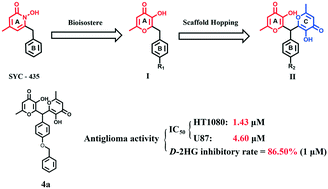
Design, synthesis and biological evaluation of novel 5-hydroxy-2-methyl-4H-pyran-4-one derivatives as antiglioma agents

 drugs, spectroscopy, SYNTHESIS  Comments Off on Design, synthesis and biological evaluation of novel 5-hydroxy-2-methyl-4H-pyran-4-one derivatives as antiglioma agents
Feb 082018
 

Med. Chem. Commun., 2018, Advance Article
DOI: 10.1039/C7MD00551B, Research Article
Yi-Bin Li, Wen Hou, Hui Lin, Ping-Hua Sun, Jing Lin, Wei-Min Chen
Two series of 5-hydroxy-2-methyl-4H-pyran-4-one derivatives were synthesized and their antiglioma activities were evaluated.

Design, synthesis and biological evaluation of novel 5-hydroxy-2-methyl-4H-pyran-4-one derivatives as antiglioma agents

Author affiliations

Abstract

D-2-Hydroxyglutarate (D-2HG) is frequently found in human brain cancers. Approximately 50–80% of grade II glioma patients have a high level of D-2HG production, which can lead to cancer initiation. In this study, a series of novel 5-hydroxy-2-methyl-4H-pyran-4-one derivatives were designed and synthesized as antiglioma agents, and their related structure–activity relationships are discussed. Among these novel compounds, 4a exhibited promising anti-proliferative activity against glioma HT1080 cells and U87 cells with an IC50 of 1.43 μM and 4.6 μM, respectively. Further studies found that the most active compound (4a) shows an 86.3% inhibitory rate against the intracellular production of D-2HG at 1 μM, and dramatic inhibitory effects, even at 1 μM on the colony formation and migration of U87 and HT1080 cells.

STR1 STR2 str3 str4
6,6′-((4-(Benzyloxy)phenyl)methylene)bis(5-hydroxy-2-methyl-4H-pyran-4- one) (4a) The reaction was performed according to the general procedure C, using 1 (1.00 g, 7.90 mmol) and 4-(benzyloxy)benzaldehyde (0.84 g, 3.95 mmol).2 The crude product was recrystallized from isopropanol affording a white powder 4a (1.53 g, 87%): mp 261.4-262.1oC; 1HNMR (300 MHz, DMSO-d6)  2.22 (s, 6H, CH3), 5.08 (s, 3H, OCH2- Ph), 5.96 (s, 1H, CH-Ar), 6.25 (s, 2H, C=CH), , 7.01 (d, J = 9.0 Hz, 2H, Ar-H3’/H5’), 7.22 (d, J = 9.0 Hz, 2H, Ar-H2’/H6’), 7.31-7.45 (m, 5H, Ph-H); 13CNMR (75 MHz, DMSO-d6)  173.95, 165.08, 158.12, 151.20, 147.68, 142.19, 140.77, 137.42, 129.87, 128.91, 128.16, 127.69, 115.46, 114.97, 111.74, 69.69, 19.63; ESI-MS m/z: 447.1 [M+H]+ ; ESI-HRMS m/z: 447.1438 [M+H]+ , calcd for C26H23O7 447.1438.
Share

Unconventional Method for the Synthesis of 3-Carboxyethyl-4-formyl(hydroxy)-5-arylpyrazoles

 spectroscopy, SYNTHESIS, Uncategorized  Comments Off on Unconventional Method for the Synthesis of 3-Carboxyethyl-4-formyl(hydroxy)-5-arylpyrazoles
Feb 082018
 

Abstract Image

Unconventional Method for Synthesis of 3-Carboxyethyl-4-formyl(hydroxy)-5-aryl-N-arylpyrazoles

 Departamento de Química, Universidade Estadual de Maringá (UEM), 87030-900 Maringá, PR, Brazil
 Departamento de Química, Universidade Federal de Santa Maria (UFSM), 97110-970 Santa Maria, RS, Brazil
§ Instituto de Biotecnologia, Universidade de Caxias do Sul (UCS), 295070-560 Caxias do Sul, RS, Brazil
J. Org. Chem.201782 (23), pp 12590–12602
DOI: 10.1021/acs.joc.7b02361
Publication Date (Web): November 2, 2017

Abstract

An alternative highly regioselective synthetic method for the preparation of 3,5-disubstituted 4-formyl-N-arylpyrazoles in a one-pot procedure is reported. The methodology developed was based on the regiochemical control of the cyclocondensation reaction of β-enamino diketones with arylhydrazines.

Structural modifications in the β-enamino diketone system allied to the Lewis acid carbonyl activator BF3 were strategically employed for this control. Also a one-pot method for the preparation of 3,5-disubstituted 4-hydroxymethyl-N-arylpyrazole derivatives from the β-enamino diketone and arylhydrazine substrates is described.

J. Org. Chem. 20178212590

4-Formyl-N-arylpyrazole substrates occupy a prominent position in the field of organic synthesis since they are key intermediates in obtaining a wide range of biologically active compounds. Because of the synthetic versatility of the 4-formyl-N-arylpyrazole skeleton, their synthesis has been extensively explored. In an extension of their previously published research,
Rosa and co-workers at Universidade Estadual de Maringá described a one-pot synthetic method that regioselectively produced 3,5-disubstituted-4-formyl-N-arylpyrazoles . The β-enamino diketone starting materials were readily synthesized via published procedures. High regioselectivity was secured via the use of BF3·OEt2 as the carbonyl activator and a bulky amine as the enamine component. Acetonitrile proved to be the most suitable solvent for the reaction.
After an aqueous workup, the desired pyrazoles were obtained in excellent yields. A variety of functional groups were tolerated on the two aryl substituents. This operationally simple procedure afforded the 4-formyl-N-arylpyrazoles in high yields, regioselectively. Furthermore, the formyl group could be reduced in situ with sodium borohydride to generate the corresponding 4-hydroxymethyl-N-arylpyrazoles.
STR1 STR2

3-(Ethoxycarbonyl)-4-formyl-5-(4-nitrophenyl)-1-phenyl-1H-pyrazole (3a)

Light yellow solid; yield: 0.150 g (82%); mp 147.0–149.2 °C;
1H NMR (300.06 MHz, CDCl3) δ (ppm) 1.47 (t, 3H, J = 7.1 Hz, O–CH2–CH3), 4.54 (q, 2H, J = 7.1 Hz, O–CH2-CH3), 7.19–7.25 (m, 2H, Ph), 7.32–7.43 (m, 3H, Ph), 7.48 (d, 2H, J = 8.9 Hz, 4-NO2C6H4), 8.19 (d, 2H, J = 8.9 Hz, 4-NO2C6H4), 10.57 (s, 1H, CHO);
13C NMR (75.46 MHz, CDCl3) δ (ppm) 14.4 (O–CH2CH3), 62.3 (O-CH2–CH3), 122.0 (C4), 123.5 (4-NO2C6H4), 125.9 (Ph), 129.5 (Ph), 129.6 (Ph), 131.8 (4-NO2C6H4), 134.1 (4-NO2C6H4), 137.8 (Ph), 143.5 (C5), 145.0 (C3), 148.4 (4-NO2C6H4), 161.5 (COOEt), 186.6 (CHO);
HRMS (ESI+): calcd for C19H16N3O5+, [M+H]+: 366.1084, found 366.1101.
Share

A sustainable procedure toward alkyl arylacetates: palladium-catalysed direct carbonylation of benzyl alcohols in organic carbonates

 spectroscopy, SYNTHESIS, Uncategorized  Comments Off on A sustainable procedure toward alkyl arylacetates: palladium-catalysed direct carbonylation of benzyl alcohols in organic carbonates
Feb 082018


Green Chem., 2018, Advance Article
DOI: 10.1039/C7GC03619A, Communication
Yahui Li, Zechao Wang, Xiao-Feng Wu
A sustainable procedure for the synthesis of various alkyl arylacetates from benzyl alcohols has been developed

A sustainable procedure toward alkyl arylacetates: palladium-catalysed direct carbonylation of benzyl alcohols in organic carbonates

Author affiliations

Abstract

A sustainable procedure for the synthesis of various alkyl arylacetates from benzyl alcohols has been developed. With palladium as the catalyst and organic carbonates as the green solvent and in situ activator, benzyl alcohols were carbonylated in an efficient manner without any halogen additives.

Ethyl 2-phenylacetate

1H NMR (300 MHz, Chloroform-d) δ 7.32 – 7.08 (m, 5H), 4.08 (q, J = 7.1 Hz, 2H), 3.54 (s, 2H), 1.18 (t, J = 7.1 Hz, 3H).

13C NMR (75 MHz, CDCl3) δ 171.61, 134.17, 129.24, 128.54, 127.03, 60.85, 41.45, 14.18.


Share

AMISELIMOD

 phase 2, Uncategorized  Comments Off on AMISELIMOD
Feb 072018
 

Image result for AMISELIMOD


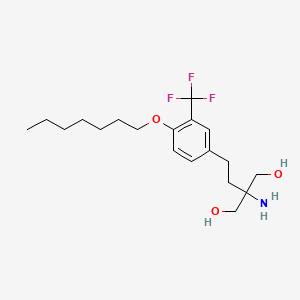
AMISELIMOD

UNII-358M5150LY; CAS 942399-20-4; 358M5150LY; MT-1303; Amiselimod, MT-1303

Molecular Formula: C19H30F3NO3
Molecular Weight: 377.448 g/mol


2-amino-2-[2-[4-heptoxy-3-(trifluoromethyl)phenyl]ethyl]propane-1,3-diol

Phase II Crohn’s disease; Multiple sclerosis; Plaque psoriasis

Image result for AMISELIMOD

AMISELIMOD HYDROCHLORIDE

  • Molecular FormulaC19H31ClF3NO3
  • Average mass413.902 Da
1,3-Propanediol, 2-amino-2-[2-[4-(heptyloxy)-3-(trifluoromethyl)phenyl]ethyl]-, hydrochloride (1:1)
2-Amino-2-{2-[4-(heptyloxy)-3-(trifluoromethyl)phenyl]ethyl}-1,3-propanediol hydrochloride (1:1)
942398-84-7 [RN]
MT-1303
UNII-AY898D6RU1
2-amino-2-[2-[4-(heptyloxy)-3-(trifluoromethyl)phenyl]ethyl]-1,3-propanediol, monohydrochloride
  • Originator Mitsubishi Tanabe Pharma Corporation
  • Class Propylene glycols; Small molecules
  • Mechanism of Action Immunosuppressants; Sphingosine-1-phosphate receptor antagonist

Highest Development Phases

  • Phase II Crohn’s disease; Multiple sclerosis; Plaque psoriasis
  • Phase I Autoimmune disorders; Inflammation; Systemic lupus erythematosus
  • No development reported Inflammatory bowel diseases

Most Recent Events

  • 04 Nov 2017 No recent reports of development identified for phase-I development in Autoimmune-disorders in Japan (PO, Capsule)
  • 04 Nov 2017 No recent reports of development identified for phase-I development in Autoimmune-disorders in USA (PO, Capsule)
  • 04 Nov 2017 No recent reports of development identified for phase-I development in Inflammation in Japan (PO, Capsule)
  • Image result

Amiselimod, also known as MT1303, is a potent and selective immunosuppressant and sphingosine 1 phosphate receptor modulator. Amiselimod may be potentially useful for treatment of multiple sclerosis; inflammatory diseases; autoimmune diseases; psoriasis and inflammatory bowel diseases. Amiselimod is currently being developed by Mitsubishi Tanabe Pharma Corporation

Mitsubishi Tanabe is developing amiselimod, an oral sphingosine-1-phosphate (S1P) receptor antagonist, for treating autoimmune diseases, primarily multiple sclerosis, psoriasis and inflammatory bowel diseases, including Crohn’s disease.

WO2007069712

EU states expire 2026, and

Expire in the US in June 2030 with US154 extension.

Inventors Masatoshi KiuchiKaoru MarukawaNobutaka KobayashiKunio Sugahara
Applicant Mitsubishi Tanabe Pharma Corporation

In recent years, calcineurin inhibitors such as cyclosporine FK 506 have been used to suppress rejection of patients receiving organ transplantation. While doing it, certain calcineurin inhibitors like cyclosporin can cause harmful side effects such as nephrotoxicity, hepatotoxicity, neurotoxicity, etc. For this reason, in order to suppress rejection reaction in transplant patients, development of drugs with higher safety and higher effectiveness is advanced.

[0003] Patent Documents 1 to 3 are useful as inhibitors of (acute or chronic) rejection in organ or bone marrow transplantation and also useful as therapeutic agents for various autoimmune diseases such as psoriasis and Behcet’s disease and rheumatic diseases 2 aminopropane 1, 3 dioly intermediates are disclosed.

[0004] One of these compounds, 2-amino-2- [2- (4-octylphenel) propane] 1, 3 diol hydrochloride (hereinafter sometimes referred to as FTY 720) is useful for renal transplantation It is currently under clinical development as an inhibitor of rejection reaction. FTY 720 is phosphorylated by sphingosine kinase in vivo in the form of phosphorylated FTY 720 [hereinafter sometimes referred to as FTY 720-P]. For example, 2 amino-2-phosphoryloxymethyl 4- (4-octafil-el) butanol. FTY720 – P has four types of S1 P receptors (hereinafter referred to as S1 P receptors) among five kinds of sphingosine – 1 – phosphate (hereinafter sometimes referred to as S1P) receptors It acts as an aggroove on the body (other than S1P2) (Non-Patent Document 1).

[0005] It has recently been reported that S1P1 among the S1P receptors is essential for the export of mature lymphocytes with thymus and secondary lymphoid tissue forces. FTY720 – P downregulates S1P1 on lymphocytes by acting as S1P1 ghost. As a result, the transfer of mature lymphocytes from the thymus and secondary lymphatic tissues is inhibited, and the circulating adult lymphocytes in the blood are isolated in the secondary lymphatic tissue to exert an immunosuppressive effect Has been suggested (

Non-Patent Document 2).

[0006] On the other hand, conventional 2-aminopropane 1, 3 dioly compounds are concerned as transient bradycardia expression as a side effect, and in order to solve this problem, 2-aminopropane 1, 3 diiori Many new compounds have been reported by geometrically modifying compounds. Among them, as a compound having a substituent on the benzene ring possessed by FTY 720, Patent Document 4 discloses an aminopropenol derivative as a S1P receptor modulator with a phosphate group, Patent Documents 5 and 6 are both S1P Discloses an amino-propanol derivative as a receptor modulator. However, trihaloalkyl groups such as trifluoromethyl groups are not disclosed as substituents on the benzene ring among them. In any case, it is currently the case that it has not yet reached a satisfactory level of safety as a pharmaceutical.

Patent Document 1: International Publication Pamphlet WO 94 Z 08943

Patent Document 2: International Publication Pamphlet WO 96 Z 06068

Patent Document 3: International Publication Pamphlet W 0 98 z 45 429

Patent Document 4: International Publication Pamphlet WO 02 Z 076995

Patent document 5: International public non-fret WO 2004 Z 096752

Patent Document 6: International Publication Pamphlet WO 2004 Z 110979

Non-patent document 1: Science, 2002, 296, 346-349

Non-patent document 2: Nature, 2004, 427, 355-360

Reference Example 3

5 bromo 2 heptyloxybenzonitrile

(3- 1) 5 Synthesis of bromo-2 heptyloxybenzonitrile (Reference Example Compound 3- 1)

1-Heptanol (1.55 g) was dissolved in N, N dimethylformamide (24 ml) and sodium hydride (0.321 g) was added at room temperature. After stirring for 1 hour, 5 bromo-2 fluoborosyl-tolyl (2.43 g) was added and the mixture was further stirred for 50 minutes. The reaction solution was poured into water, extracted with ethyl acetate, washed with water, saturated brine, dried over anhydrous sodium sulfate, and the solvent was distilled off under reduced pressure. After eliminating the 5 bromo 2 fluconate benzonitrile as a raw material, the reaction was carried out again under the same conditions and purification was carried out by silica gel column chromatography (hexane: ethyl acetate = 50: 1 to 5: 1) to obtain the desired product (3.10 g ) As a colorless oil.

– NMR (CDCl 3) δ (ppm): 0.89 (3H, t, J = 6.4 Hz), 1.24-1.35 (6H, m

J = 8.8 Hz), 1.48 (2H, quint, J = 7.2 Hz), 1.84 7.59 (1 H, dd, J = 8.8, 2.4 Hz), 7.65 (1 H, d, J = 2.4 Hz).

Example 1

2 Amino 2- [2- (4-heptyloxy-3 trifluoromethylph enyl) propane-1, 3-diol hydrochloride

(1 – 1) {2, 2 Dimethyl 5- [2- (4 hydroxy 3 trifluoromethylfuethyl) ethyl] 1,3 dioxane 5 mercaptothenylboronic acid t butyl ester (synthesis compound 1 1)

Reference Example Compound 2-5 (70.3 g) was dissolved in tetrahydrofuran (500 ml), t-butoxycallium (13.Og) was added, and the mixture was stirred for 1 hour. To the mixed solution was dropwise added a solution of the compound of Reference Example 1 (15.Og) in tetrahydrofuran (100 ml) under ice cooling, followed by stirring for 2 hours under ice cooling. Water was added to the reaction solution, the mixture was extracted with ethyl acetate, washed with water, saturated brine, dried with anhydrous magnesium sulfate, and the solvent was distilled off under reduced pressure. The residue was purified by silica gel column chromatography (hexane: ethyl acetate = 3: D to obtain 31. Og of a pale yellow oily matter.) The geometric isomer ratio of the obtained product was (E : Z = 1: 6).

This pale yellow oil was dissolved in ethyl acetate (200 ml), 10% palladium carbon (3.00 g) was added, and the mixture was stirred under a hydrogen atmosphere at room temperature for 7 hours. After purging the inside of the reaction vessel with nitrogen, the solution was filtered and the filtrate was concentrated. The residue was washed with diisopropyl ether to obtain the desired product (2.2 g) as a colorless powder.

1 H-NMR (CDCl 3) δ (ppm): 1. 43 (3H, s), 1.44 (3H, s), 1. 47 (9H, s), 1

(2H, m), 91- 1. 98 (2H, m), 2. 50-2.66 (2H, m), 3. 69 (2H, d, J = Il. 6 Hz), 3. 89 J = 8.2 Hz), 7. 22 (1 H, dd J = 8 Hz), 5. 02 (1 H, brs), 5. 52 . 2, 1. 7 Hz), 7. 29 (1 H, d, J = l. 7 Hz).

(1-2) {2,2 Dimethyl-5- [2- (4heptyloxy-3 trifluoromethyl) ethyl] 1,3 dioxane 5-mercaptobutyric acid t-butyl ester Synthesis (compound 1 2)

Compound 1-1 (510 mg) was dissolved in N, N dimethylformamide (10 ml), potassium carbonate (506 mg) and n-heptyl bromide (0.235 ml) were added and stirred at 80 ° C. for 2 hours. Water was added to the reaction solution, the mixture was extracted with ethyl acetate, washed with water and saturated brine, dried with anhydrous sulfuric acid

The resultant was dried with GENSCHUM and the solvent was distilled off under reduced pressure to obtain the desired product (640 mg) as a colorless oil.

– NMR (CDCl 3) δ (ppm): 0.89 (3H, t, J = 6.8 Hz), l.30-1.37 (6H, m

(2H, m), 1.91-1.98 (2H, m), 1.42-1.50 (2H, m), 1.42 (3H, s), 1.44 (3H, s), 1.47 J = 16.6 Hz), 4.00 (2H, t, J = 6.4 Hz), 4.9 8 (2H, d, J = 11.6 Hz), 3.69 1 H, brs), 6.88 (1 H, d, J = 8.5 Hz), 7.26 – 7.29 (1 H, m), 7.35 (1 H, d, J = 1.5 Hz).

(1-3) Synthesis of 2-amino-2- [2- (4heptyloxy 3 trifluoromethyl) ethyl] propane 1, 3 diol hydrochloride (Compound 1- 3)

Compound 12 (640 mg) was dissolved in ethanol (15 ml), concentrated hydrochloric acid (3 ml) was caught and stirred at 80 ° C. for 2 hours. The reaction solution was concentrated, and the residue was washed with ethyl ether to give the desired product (492 mg) as a white powder.

MS (ESI) m / z: 378 [M + H]

– NMR (DMSO-d) δ (ppm): 0.86 (3H,

6 t, J = 6.8 Hz), 1.24 – 1.39 (6

(4H, m), 3.51 (4H, d, J = 5. lHz), 4.06 (2H, m), 1.39-1.46 (2H, m), 1.68-1.78 (4H, m), 2.55-2.22 , 7.32 (2H, t, J = 5.1 Hz), 7.18 (1 H, d, J = 8.4 Hz), 7.42 – 7.45 (2 H, m), 7.76 (3 H, brs;).

PATENT

WO 2009119858

JP 2011136905

WO 2017188357

PATENT

WO-2018021517

Patent Document 1 discloses 2-amino-2- [2- (4-heptyloxy-3-trifluoromethylphenyl) ethyl] propane- 1,3 which is useful as a medicine excellent in immunosuppressive action, rejection- – diol hydrochloride is disclosed.
The production method includes the step of reducing 4-heptyloxy-3-trifluoromethylbenzoic acid (Ia) to 4-heptyloxy-3-trifluoromethylbenzyl alcohol (IIa). However, until now, there has been a problem such that the conversion is low and the by-product (IIa ‘) in which the trifluoromethyl group is reduced together with the compound (IIa) is generated in this step.


[Chemical formula 1]


 In particular, since a series of analogous substances derived from by-products (IIa ‘) are difficult to be removed in a later process, it is necessary to suppress strict production thereof in the manufacture of drug substances requiring high quality there were.

Patent Document 1: WO2007 / 069712

[Chemical formula 3]

(2-amino-2- [2- (4-heptyloxy-3-trifluoromethylphenyl) ethyl] propane- 1,3-diol hydrochloride) From
the compound (IIa), the following scheme Based on the route, 2-amino-2- [2- (4-heptyloxy-3-trifluoromethylphenyl) ethyl] propane-1,3-diol hydrochloride was prepared.


[Chemical Formula 9]

STR1


Example 2
Synthesis of 4-heptyloxy-3-trifluoromethylbenzyl chloride (Step A) A
few drops of N, N-dimethylformamide was added to a solution of compound (IIa) (26.8 g) in methylene chloride (107 mL), and 0 At 0 ° C., thionyl chloride (8.09 mL) was added dropwise. The mixture was stirred at the same temperature for 2 hours, and water (50 mL) was added to the reaction solution. The organic layer was separated and extracted, washed with water (50 mL), saturated aqueous sodium bicarbonate solution (70 mL), dried over anhydrous magnesium sulfate, and the solvent was distilled off under reduced pressure to give 4-heptyloxy-3-trifluoromethylbenzyl Chloride (28.3 g) as white crystals.
1H-NMR (CDCl 3) δ (ppm): 0.89 (3H, t, J = 6.5 Hz), 1.26-1.54 (8H, m), 1.77-1.86 (2H, m , 4.49 (2H, t, J = 6.4 Hz), 4.56 (2H, s), 6.96 (IH, d, J = 8.6 Hz), 7.49 (IH, dd, J = 2.0 Hz, 8.5 Hz), 7.58 (1 H, d, J = 1.9 Hz)


Example 3
Synthesis of dimethyl (4-heptyloxy-3-trifluoromethylbenzyl) phosphonate (Step B) To
a solution of N, N (3-trifluoromethylbenzyl ) phosphonate of 4-heptyloxy-3-trifluoromethylbenzyl chloride (6.00 g, 19.4 mmol) (2.57 g, 23.3 mmol), cesium carbonate (7.60 g, 23.3 mmol) and tetrabutylammonium iodide (7.54 g, 20.4 mmol) were added to a dimethylformamide (36 mL) And the mixture was stirred at 25 ° C. for 1 day. Toluene (36 mL) and water (18 mL) were added for phase separation, and the resulting organic layer was washed twice with a mixture of N, N-dimethylformamide (18 mL) and water (18 mL). After concentration under reduced pressure, column purification using hexane and ethyl acetate gave 4.71 g of dimethyl (4-heptyloxy-3-trifluoromethylbenzyl) phosphonate.
1
H-NMR (CDCl 3) δ (ppm): 0.89 (3 H, t, J = 6.9 Hz), 1.20 – 1.41 (6 H, m) , 1.43-1.49 (2H, m), 1.72-1.83 (2H, m), 3.09 (IH, s), 3.14 (IH, s), 3.68 (3H , 7.41 – 7.44 (2 H, t, J = 6.4 Hz), 6.94 (1 H, d, J = 8.4 Hz), 3.70 (3 H, s), 4.02 (2H, m)


Example 4
tert-Butyl (E) – {2,2-dimethyl-5- [2- (4-heptyloxy-3-trifluoromethylphenyl) vinyl] -1, 3-dioxan-5- yl} carbamate Ester synthesis (Step C) A
solution of dimethyl (1.18 g, 3.09 mmol ) (4-heptyloxy-3-trifluoromethylbenzyl) phosphonate in 1.25 mL of N, N- dimethylformamide and (2, -dimethyl-5-formyl-1,3-dioxan-5-yl) carbamic acid tert-butyl ester (961 mg, 3.71 mmol) in tetrahydrofuran (4 mL) was treated with potassium tert-butoxide (1.28 g, 4 mmol) in tetrahydrofuran (7 mL), and the mixture was stirred at 0 ° C. for 6 hours. Heptane (7 mL) and water (3 mL) were added and the layers were separated, and the obtained organic layer was washed twice with water (3 mL) and concentrated. Heptane was added and the mixture was cooled in an ice bath. The precipitated crystals were collected by filtration and dried under reduced pressure to give (E) – {2,2-dimethyl-5- [2- (4-heptyloxy- Phenyl) vinyl] -1, 3-dioxan-5-yl} carbamic acid tert-butyl ester.
1
H-NMR (CDCl 3) δ (ppm): 0.89 (3 H, t, J = 6.9 Hz), 1.29 – 1.38 (6 H, m) , 1.44 – 1.59 (17 H, m), 1.77 – 1.83 (2 H, m), 3.83 – 3.93 (2 H, m), 3.93 – 4.08 (4 H, J = 16.5 Hz), 6.48 (1 H, d, J = 16.5 Hz), 6.91 (1 H, d, J), 5.21 (1 H, brs), 6.10 J = 8.5 Hz), 7.44 (1 H, dd, J = 8.6, 2.1 Hz), 7.55 (1 H, d, J = 2.0 Hz)


Example 5
Synthesis of 2-amino-2- [2- (4-heptyloxy-3-trifluoromethylphenyl) ethyl] propane-1,3-diol hydrochloride (Step D)
(E) – {2, -dimethyl-5- [2- (4-heptyloxy-3-trifluoromethylphenyl) vinyl] -1,3-dioxan- 5-yl} carbamic acid tert-butyl ester (6.50 g, 12.6 mmol) Methanol (65 mL) solution was heated to 50 ° C., a solution of concentrated hydrochloric acid (2.55 g) in methanol (5.3 mL) was added dropwise, and the mixture was stirred at 60 ° C. for 6 hours. The mixture was cooled to around room temperature, 5% palladium carbon (0.33 g) was added thereto, and the mixture was stirred under a hydrogen gas atmosphere for 3 hours. After filtration and washing the residue with methanol (39 mL), the filtrate was concentrated and stirred at 5 ° C. for 1 hour. Water (32.5 mL) was added and the mixture was stirred at 5 ° C for 1 hour, and the precipitated crystals were collected by filtration. Washed with water (13 mL) and dried under reduced pressure to obtain 4.83 g of 2-amino-2- [2- (4-heptyloxy-3-trifluoromethylphenyl) ethyl] propane-1,3-diol hydrochloride .
MS (ESI) m / z: 378 [M + H]

Image result

PATENTS

Patent ID

Patent Title

Submitted Date

Granted Date

US2017029378 KINASE INHIBITOR
2016-10-12
US2014296183 AMINE COMPOUND AND USE THEREOF FOR MEDICAL PURPOSES
2014-06-17
2014-10-02
Patent ID

Patent Title

Submitted Date

Granted Date

US2017253563 KINASE INHIBITORS
2017-05-24
US9499486 Kinase inhibitor
2015-10-01
2016-11-22
US9751837 KINASE INHIBITORS
2015-10-01
2016-04-14
US8809304 Amine Compound and Use Thereof for Medical Purposes
2009-05-28
US2017209445 KINASE INHIBITORS
2015-10-01

////////////AMISELIMOD, Phase II, Crohn’s disease, Multiple sclerosis, Plaque psoriasis,  MT-1303,  MT1303,  MT 1303, Mitsubishi Tanabe Pharma Corporation, Mitsubishi , JAPAN, PHASE 2

CCCCCCCOC1=C(C=C(C=C1)CCC(CO)(CO)N)C(F)(F)F

Share

Discovery of 7-hydroxyaporphines as conformationally restricted ligands for beta-1 and beta-2 adrenergic receptors

 Uncategorized  Comments Off on Discovery of 7-hydroxyaporphines as conformationally restricted ligands for beta-1 and beta-2 adrenergic receptors
Jan 232018
 

Med. Chem. Commun., 2018, Advance Article
DOI: 10.1039/C7MD00656J, Research Article
Angela F. Ku, Gregory D. Cuny
Potent beta-1 and beta-2 adrenergic receptor antagonism via a conformationally restricted aporphine scaffold with defined stereochemistry has been developed.

Discovery of 7-hydroxyaporphines as conformationally restricted ligands for beta-1 and beta-2 adrenergic receptors

 Author affiliations

Abstract

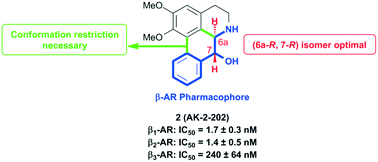
A series of (−)-nornuciferidine derivatives was synthesized and the non-natural enantiomer of the aporphine alkaloid was discovered to be a potent β1– and β2-adrenergic receptor ligand that antagonized isoproterenol and procaterol induced cyclic AMP increases from adenylyl cyclase, respectively. Progressive deconstruction of the tetracyclic scaffold to less complex cyclic and acyclic analogues revealed that the conformationally restricted (6a-R,7-R)-7-hydroxyaporphine 2 (AK-2-202) was necessary for efficient receptor binding and antagonism.

STR1STR2STR3

(6aR,7R)-1,2-Dimethoxy-5,6,6a,7-tetrahydro-4H-dibenzo[de,g]quinolin-7-ol (2) To a solution of S2 (10 mg, 0.031 mmol) in THF (2 mL) was added 2 N NaOH(aq) (1 mL), and the mixture was stirred at 70 oC for 2 days. After being quenched with H2O (10 mL), the aqueous layer was extracted with EtOAc (2 × 20 mL). The combined organic extracts were washed with brine, dried over anhydrous Na2SO4, filtered and concentrated. The residue was purified by column chromatography on silica gel (CH3OH/CH2Cl2, 5:95 to 10:90) to afford 2 (7.6 mg, 82%) as a pale yellow solid; mp 89−91 oC; [] 24 D +78 (c 0.58, CHCl3); 1H NMR (CDCl3, 500 MHz) 8.37−8.35 (1 H, m), 7.73−7.72 (1 H, m), 7.38−7.33 (2 H, m), 6.65 (1 H, s), 4.55 (1 H, d, J = 11.5 Hz), 3.88 (3 H, s), 3.67 (1 H, d, J = 11.5 Hz), 3.64 (3 H, s), 3.40−3.37 (1 H, m), 3.10−3.03 (1 H, m), 2.98 (1 H, td, J = 11.5, 3.5 Hz), 2.73 (1 H, d, J = 16.0 Hz); 13C NMR (CDCl3, 125 MHz) 152.5, 145.1, 139.0, 130.2, 129.4, 128.1, 127.8, 127.4, 125.9, 124.3, 123.1, 111.8, 72.0, 60.3, 59.0, 55.9, 42.0, 28.9; HRMS (ESI/Q-TOF) m/z [M + H]+ calculated for C18H20NO3 298.1438; found 298.1440

http://pubs.rsc.org/en/Content/ArticleLanding/2018/MD/C7MD00656J?utm_source=feedburner&utm_medium=feed&utm_campaign=Feed%3A+rss%2FMD+%28RSC+-+Med.+Chem.+Commun.+latest+articles%29#!divAbstract

SIMILAR IN LIT

  • (-)-Nornuciferidine
  •  112494-69-6
    Molecular Weight297.35, C18 H19 N O3
    4H-​Dibenzo[de,​g]​quinolin-​7-​ol, 5,​6,​6a,​7-​tetrahydro-​1,​2-​dimethoxy-​, (6aS-​cis)​-
    S S ISOMER
    STR1
    http://pubs.acs.org/doi/suppl/10.1021/acs.orglett.5b00007/suppl_file/ol5b00007_si_001.pdf

    Synthetic Studies of 7-Oxygenated Aporphine Alkaloids: Preparation of (−)-Oliveroline, (−)-Nornuciferidine, and Derivatives

    Department of Chemistry and Department of Pharmacological and Pharmaceutical Sciences, University of Houston, Science and Research Building 2, Rm 549A, Houston, Texas 77204, United States
    Org. Lett.201517 (5), pp 1134–1137
    DOI: 10.1021/acs.orglett.5b00007

    Abstract

    Abstract Image

    7-Oxygenated aporphines 16 possessing anti-configurations have previously been reported. In order to explore their bioactivities, a synthesis was established by utilizing a diastereoselective reductive acid-mediated cyclization followed by palladium-catalyzed ortho-arylations. Moderate XPhos precatalyst loading (10 mol %) and short reaction times (30 min) were sufficient to mediate the arylations. Alkaloids 15 were successfully prepared, while (−)-artabonatine A was revised to syn-isomer 30. Consequently, (−)-artabonatine E likely also has a syn-configuration (31).

///////////AK-2-202, 

Share

Utilization of fluoroform for difluoromethylation in continuous flow: a concise synthesis of α-difluoromethyl-amino acids

 FLOW CHEMISTRY, flow synthesis  Comments Off on Utilization of fluoroform for difluoromethylation in continuous flow: a concise synthesis of α-difluoromethyl-amino acids
Jan 162018
 

Green Chem., 2018, 20,108-112
DOI: 10.1039/C7GC02913F, Communication
Open Access Open Access
Creative Commons Licence  This article is licensed under a Creative Commons Attribution 3.0 Unported Licence.
Manuel Kockinger, Tanja Ciaglia, Michael Bersier, Paul Hanselmann, Bernhard Gutmann, C. Oliver Kappe
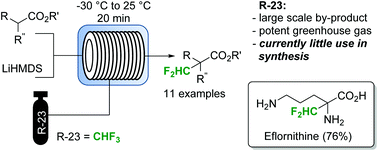
Difluoromethylated esters, malonates and amino acids (including the drug eflornithine) are obtained by a gas-liquid continuous flow protocol employing the abundant waste product fluoroform as an atom-efficient reagent.

Utilization of fluoroform for difluoromethylation in continuous flow: a concise synthesis of α-difluoromethyl-amino acids

Author affiliations

Abstract

Fluoroform (CHF3) can be considered as an ideal reagent for difluoromethylation reactions. However, due to the low reactivity of fluoroform, only very few applications have been reported so far. Herein we report a continuous flow difluoromethylation protocol on sp3 carbons employing fluoroform as a reagent. The protocol is applicable for the direct Cα-difluoromethylation of protected α-amino acids, and enables a highly atom efficient synthesis of the active pharmaceutical ingredient eflornithine.

Methyl 3,3-(difluoro)-2,2-diphenylpropanoate (2a) The product mixtures were collected and the solvent removed in vacuo. The products were isolated by thin layer chromatography (dichloromethane/hexane = 3/2 (v/v)). Yield: 173 mg (0.62 mmol, 62%); 93% by 19F NMR ;light yellow viscous liquid. 1 H NMR (300 MHz, D2O): δ = 7.45 – 7.19 (m, 10H), 6.90 (t, 2 JHF = 55.0 Hz, 1H), 3.79 (s, 3H). 13C NMR (75 MHz, D2O): δ = 171.1, 136.3, 129.8, 128.3, 128.2, 115.6 (t, 1 JCF = 246.2 Hz), 64.7, 53.1.19F NMR (282 MHz, D2O):δ = -123.0 (d, 2 JHF = 55.0 Hz).

STR1 STR2 STR3

Conclusions

A gas–liquid continuous flow difluoromethylation protocol employing fluoroform as a reagent was reported. Fluoroform, a by-product of Teflon manufacture with little current synthetic value, is the most attractive reagent for difluoromethylation reactions. The continuous flow process allows this reaction to be performed within reaction times of 20 min with 2 equiv. of base and 3 equiv. of fluoroform. Importantly, the protocol allows the direct Cα-difluoromethylation of protected α-amino acids. These compounds are highly selective and potent inhibitors of pyridoxal phosphate-dependent decarboxylases. The starting materials are conveniently derived from the commercially available α-amino acid methyl esters, and the final products are obtained in excellent purities and yields after simple hydrolysis and precipitation. The developed process appears to be especially appealing for industrial applications, where atom economy, sustainability, reagent cost and reagent availability are important factors.

//////////

Share

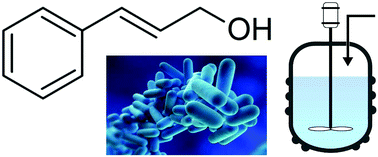
Bio-derived production of cinnamyl alcohol via a three step biocatalytic cascade and metabolic engineering

 PROCESS, spectroscopy, SYNTHESIS, Uncategorized  Comments Off on Bio-derived production of cinnamyl alcohol via a three step biocatalytic cascade and metabolic engineering
Jan 122018
 

Green Chem., 2018, Advance Article
DOI: 10.1039/C7GC03325G, Paper
Evaldas Klumbys, Ziga Zebec, Nicholas J. Weise, Nicholas J. Turner, Nigel S. Scrutton
Cascade biocatalysis and metabolic engineering provide routes to cinnamyl alcohol.

Bio-derived production of cinnamyl alcohol via a three step biocatalytic cascade and metabolic engineering

* Corresponding authors

Prof Nigel ScruttonScD, FRSC, FRSB

Professor of Enzymology and Biophysical Chemistry

Abstract

The construction of biocatalytic cascades for the production of chemical precursors is fast becoming one of the most efficient approaches to multi-step synthesis in modern chemistry. However, despite the use of low solvent systems and renewably resourced catalysts in reported examples, many cascades are still dependent on petrochemical starting materials, which as of yet cannot be accessed in a sustainable fashion. Herein, we report the production of the versatile chemical building block cinnamyl alcohol from the primary metabolite and the fermentation product L-phenylalanine. Through the combination of three biocatalyst classes (phenylalanine ammonia lyase, carboxylic acid reductase and alcohol dehydrogenase) the target compound could be obtained in high purity, demonstrable at the 100 mg scale and achieving 53% yield using ambient temperature and pressure in an aqueous solution. This system represents a synthetic strategy in which all components present at time zero are biogenic and thus minimises damage to the environment. Furthermore we extend this biocatalytic cascade by its inclusion in an L-phenylalanine overproducing strain of Escherichia coli. This metabolically engineered strain produces cinnamyl alcohol in mineral media using glycerol and glucose as the carbon sources. This study demonstrates the potential to establish green routes to the synthesis of cinnamyl alcohol from a waste stream such as glycerol derived, for example, from lipase treated biodiesel.

(R)-3-amino-3-(3-fluorophenyl)propanoic acid (1c) 1H NMR (CDCl3): δ 7.16-7.31 (m, 5H, ArH), 6.50-6.54 (d, 1H, J = 16 Hz, C=CH), 6.23-6.30 (dt, 1H, J = 16, 8 Hz, C=CHCH2 ), 4.21-4.23 (dd, 2H, J = 8, 4 Hz, C=CHCH2); 13C NMR (CDCl3): 136.70, 131.09, 128.60, 128.54, 127.69, 126.48, 63.65.

STR1 STR2


////////////cinnamyl alcohol,  biocatalytic, metabolic engineering

Share
Follow

Get every new post on this blog delivered to your Inbox.

Join other followers: