AUTHOR OF THIS BLOG

DR ANTHONY MELVIN CRASTO, WORLDDRUGTRACKER

DR ANTHONY MELVIN CRASTO Ph.D

DR ANTHONY MELVIN CRASTO, Worlddrugtracker, Born in Mumbai in 1964 and graduated from Mumbai University, Completed his PhD from ICT ,1991, Mumbai, India, in Organic chemistry, The thesis topic was Synthesis of Novel Pyrethroid Analogues, Currently he is working with AFRICURE PHARMA as ADVISOR earlier GLENMARK LS Research centre as consultant,Principal Scientist, Process Research (bulk actives) at Mahape, Navi Mumbai, India. Prior to joining Glenmark, he worked with major multinationals like Hoechst Marion Roussel, now sSanofi, Searle India ltd, now Rpg lifesciences, etc. he is now helping millions, has million hits on google on all organic chemistry websites. His New Drug Approvals, Green Chemistry International, Eurekamoments in organic chemistry are some most read blogs He has hands on experience in initiation and developing novel routes for drug molecules and implementation them on commercial scale over a 32 year tenure, good knowledge of IPM, GMP, Regulatory aspects, he has several international drug patents published worldwide . He gas good proficiency in Technology transfer, Spectroscopy, Stereochemistry, Synthesis, polymorphism etc He suffered a paralytic stroke in dec 2007 and is bound to a wheelchair, this seems to have injected feul in him to help chemists around the world, he is more active than before and is pushing boundaries, he has one lakh connections on all networking sites, He makes himself available to all, contact him on +91 9323115463, [email protected]

Methohexital

 Uncategorized  Comments Off on Methohexital
Jan 182015
 

Skeletal formula


Ball-and-stick model

Methohexital or methohexitone, (marketed under the brand name Brevital) is a drug which is a barbiturate derivative. It is classified as short-acting, and has a rapid onset of action. It is similar in its effects to sodium thiopental, a drug with which it competed in the market for anaesthetics.


Pharmacology

Methohexital binds to a distinct site which is associated with Cl ionophores at GABAA receptors.[1] This increases the length of time which the Cl ionopores are open, thus causing an inhibitory effect.

Metabolism of methohexital is primarily hepatic (i.e., taking place in the liver) via demethylation and oxidation.Side-chain oxidation is the primary means of metabolism involved in the termination of the drug’s biological activity.

Protein binding is approximately 73% for methohexital.

Indications

Methohexital is primarily used to induce anesthesia, and is generally provided as a sodium salt (i.e. methohexital sodium). It is only used in hospital or similar settings, under strict supervision.[citation needed] It has been commonly used to induce deep sedation or general anesthesia for surgery and dental procedures. Unlike many other barbiturates, Methohexital actually lowers the seizure threshold, a property that make it particularly useful when anesthesia is provided for a electroconvulsive therapy (ECT). And rapid recovery rate with consciousness being gained within three to seven minutes after induction and full recovery within 30 minuntes is a major advantage over other ECT barbiturates (Schulgasser and Borowitz 1963).

Synthesis

Methohexital, 5-allyl-1-methyl-5-(1-methyl-2-pentinyl barbituric acid, is synthesized in the classic manner of making barbituric acid derivatives, in particular by the reaction of malonic ester derivatives with derivatives of urea.

Methohexital synthesis: W.J. Doran, U.S. Patent 2,872,448 (1959).

The resulting allyl-(1-methyl-2-pentynyl) malonic ester is synthesized by subsequent alkylation of the malonic ester itself, beginning with 2-bromo-3-hexyne, which gives (1-methyl-2-pentynyl)malonic ester, and then by allylbromide. In the final step, reaction of the disubstituted malonic ester with N-methylurea gives desired methohexital.

Methohexital
Skeletal formula
Ball-and-stick model
Systematic (IUPAC) name
5-hex-3-yn-2-yl-1- methyl-5-prop-2-enyl-1, 3-diazinane-2,4,6-trione
Clinical data
AHFS/Drugs.com Consumer Drug Information
Legal status
Routes Intravenous, rectal
Pharmacokinetic data
Bioavailability I.V. ~100%
Rectal ~17%
Metabolism Hepatic
Half-life 5.6 ± 2.7 minutes
Excretion ?
Identifiers
CAS number 151-83-7 Yes
ATC code N01AF01 N05CA15
PubChem CID 9034
DrugBank DB00474
ChemSpider 8683 Yes
UNII E5B8ND5IPE Yes
KEGG D04985 Yes
ChEBI CHEBI:102216 Yes
ChEMBL CHEMBL7413 Yes
Chemical data
Formula C14H18N2O3 
Molecular mass 262.304


References

  1. Katzung, Bertram G., Basic and Clinical Pharmacology, 10th ed., p. 406-407

[1]

External links


Share

Scaling from Milligrams to 1-2Kg

 PROCESS  Comments Off on Scaling from Milligrams to 1-2Kg
Jan 142015


Scaling from Milligrams to 1-2Kg

see at…………..http://news.scientificupdate.co.uk/index.php?action=social&chash=1c1d4df596d01da60385f0bb17a4a9e0.1201

2 – 3 March 2015
Sheraton Fisherman’s Wharf Hotel – San Francisco


Fisherman's Wharf, San Francisco

The aim of this professional development course is to provide a good basis to work from when involved in taking development candidates to the first in human trials and with a view on some longer-term requirements. The course content will focus on the necessary early phases of chemical development, as would typically be required to support production of up to about 2kg.

The course will introduce and discuss the following:

  • Requirements in order to move from small (less than 1g) supplies to the first 100g or so for preclinical work
  • Further scaling to 1-2kg non-cGMP
  • Requirements to make material for use in clinical trial – an introduction to cGMP coupled with the scaling issues
  • An overview of the requirements to move processes to fixed vessels, assuming cGMP is required – what operations can readily be transferred and those that should ideally be developed out
  • The phases of development and indicative timelines with quality requirements
  • The importance of physical form selection, understanding and control
  • Impurities and their control, with specific discussion on genotoxic impurities and developing the specification for the API as it moves from preclinical batch preparation to cGMP batches for clinical trials

Your Course Tutor
Dr John Knight 

John Knight

Register 2 attendees and automatically SAVE 5% plus register 3 people and SAVE 15% on our standard booking fees!


sciupnew logo-master

Who should attend…

  • Project managers and those involved in technical outsourcing
  • Project leaders and bench chemists involved in preparation of material
  • New starters to the area
  • Medicinal Chemistry support teams involved in making the first batches for toxicological evaluation

What will you take away from this course…

  • How long it takes to get from milligrams to 1-2kgs suitable for human clinical trials
  • What are the main hurdles
  • What can be left out and what must be included
  • What are the key project management considerations

View the course brochure

The lectures are interspersed with interactive problem sessions.

see http://news.scientificupdate.co.uk/index.php?action=social&chash=1c1d4df596d01da60385f0bb17a4a9e0.1201

Copyright © 2015 Scientific Update LLP, All rights reserved.
Scientific Update LLP, Maycroft Place, Stone Cross, Mayfield, East Sussex TN20 6EW, UK
T: +44 (0)1435 873062 F: +44 (0)1435 872734 E. [email protected]

missing link

OPRD network

Share

Tipifarnib

 Uncategorized  Comments Off on Tipifarnib
Jan 082015


Tipifarnib


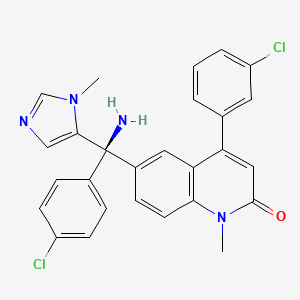
Tipifarnib.png

6-[(R)-Amino(4-chlorophenyl)(1-methyl-1H-imidazol-5-yl)methyl]-4-(3-chlorophenyl)-1-methyl-2(1H)-quinolinone;

(R)-(+)-R 115777; Zarnestra; 192185-68-5

zarnestra, 192185-72-1, R115777, R-115777, IND 58359, UNII-MAT637500A

192185-72-1, 192185-68-5

Molecular Formula: C27H22Cl2N4O
Molecular Weight: 489.39578 g/mol
cas
192185-72-1, 192185-68-5 (racemate), 192185-70-9 (racemic; diHCl), 192185-69-6 (racemic; fumarate)
R115777 is a substance that is being studied in the treatment of acute myeloid leukemia (AML) and other types of cancer. It belongs to the family of drugs called farnesyltransferase inhibitors. It is also called tipifarnib and Zarnestra.

Tipifarnib (trade name Zarnestra) is a farnesyltransferase inhibitor that is being investigated in patients 65 years of age and older with newly diagnosed acute myeloid leukemia (AML). It inhibits the Ras kinase in a post translational modification step before the kinase pathway becomes hyperactive. It inhibits prenylation of the CxxX tail motif, which allows Ras to bind to the membrane where it is active. Without this step the protein cannot function.

It is also being tested in clinical trials in patients in certain stages of breast cancer.[1]

For treatment of progressive plexiform neurofibromas associated with Neurofibromatosis type I, it successfully passed phase one clinical trials but was suspended (NCT00029354) in phase two.[2][3] The compound was discovered by and is under investigation byJohnson & Johnson Pharmaceutical Research & Development, L.L.C, with registration number R115777.

Approval process

Tipifarnib was submitted to the FDA by Johnson & Johnson for the treatment of AML in patients aged 65 and over with a New Drug Application (NDA) to the Food and Drug Administration (FDA) on January 24, 2005.

In June 2005, the FDA issued a “not approvable” letter for tipifarnib.[4]

Farnesyltransferase inhibitors block the main post-translational modification of the Ras protein, thus interfering with its localization to the inner surface of the plasma membrane and subsequent activation of the downstream effectors. Although initially developed as a strategy to target Ras in cancer, farnesyltransferase inhibitors have subsequently been acknowledged as acting by additional and more complex mechanisms that may extend beyond Ras involving GTP-binding proteins, kinases, centromere-binding proteins and probably other farnesylated proteins.

A particular farnesyltransferase inhibitor is described in WO 97/21701, namely (R)-(+)-6-[amino(4-chlorophenyl)(1-methyl-1H-imidazol-5-yl)methyl]-4-(3-chlorophenyl)-1-methyl-2(1H)-quinolinone. The absolute stereochemical configuration of the compound was not determined in the experiments described in the above-mentioned patent specification, but the compound was identified by the prefix “(B)” to indicate that it was the second compound isolated from column chromatography. The compound thus obtained has been found to have the (R)-(+)-configuration. This compound will be referred to below by its published code number R115777 and has the following formula (V).


Figure US07572916-20090811-C00002


R115777 (Tipifarnib) is a potent, orally active inhibitor of farnesylprotein transferase. It is one of the most advanced of the farnesylprotein transferase inhibitors currently reported to be in clinical development, being one of the agents that have progressed to phase III studies.

R115777 has been found to have very potent activity against neoplastic diseases. Antineoplastic activity in solid tumors, such as breast cancer, as well as in haematological malignancies, such as leukemia, have been observed. Also combination studies have been carried out demonstrating that R115777 can be safely combined with several highly active anticancer drugs.

In WO 01/53289, the racemates (±) (4-(3-chloro-phenyl)-6-[(6-chloro-pyridin-3-yl)-(4-methoxy-benzylamino)-(3-methyl-3H-imidazol-4-yl)-methyl]-1-cyclopropylmethyl-1H-quinolin-2-one (racemate 1) and (±) 4-(3-chloro-phenyl)-6-[(6-chloro-pyridin-3-yl)-[(4-methoxy-benzylidene)-amino]-(3-methyl-3H-imidazol-4-yl)-methyl]-1-cyclopropylmethyl-1H-quinolin-2-one (racemate 2) are prepared.


Figure US07572916-20090811-C00003


After chiral molecule separation using column chromatography, either the benzylamino or the benzilidine moiety of the resulting (+) and/or (−) enantiomers are converted to an amino group under acidic conditions.

In WO 97/21701, it is described (on page 9, line 7-14) that intermediates of formula (XIII), can be prepared by reacting an intermediate of formula (XIV), wherein W is an appropriate leaving group, such as, for example, halo, with an intermediate ketone of formula (XV). In WO 97/21701, it is described that this reaction can be performed by converting the intermediate of formula (XV) into an organometallic compound, by stirring it with a strong base such as butyl lithium and subsequently adding the intermediate ketone of formula (XV). It is further indicated that although this reaction gives at first instance a hydroxy derivative (i.e. Ris hydroxy), said hydroxy derivative can be converted into other intermediates wherein Rhas another definition by performing art-known (functional group) transformations. The drawings of the compounds of formula (XIII), (XV) and (XIV) have been taken over from WO 97/21701 and the substituents in these drawings are as defined in WO 97/21701.


Figure US07572916-20090811-C00004


In WO 97/21701, it is also described (from page 7 line 32, to page 8 line 6) that the compounds of formula (XVI), wherein R is C1-6alkyl, R(2-8, 16-19) can be a substituent chosen from lists as defined in WO 97/21701 and Rhas a meaning as defined in WO 97/21701 apart from hydrogen, may be prepared by hydrolysing an intermediate ether of formula (XIII), according to art-known methods, such as stirring the intermediate of formula (XIII) in an aqueous acid solution. An appropriate acid can be for instance hydrochloric acid. Subsequently the resulting quinolinone, wherein Ris hydrogen, may be transformed into a quinolinone of formula (XVI) by art-known N-alkylation. The drawings of the compounds of formula (XIII) and (XVI) have been taken over from WO 97/21701 and the substituents in these drawings are as defined in WO 97/21701.


Figure US07572916-20090811-C00005


The synthesis of R115777 as originally described in WO 97/21701, is presented in scheme 1.

Herein, in step 1, the intermediate 1-methyl imidazole in tetrahydrofuran, is mixed with a solution of n-butyllithium in a hexane solvent to which is added chlorotriethylsilane (triethylsilyl chloride), followed by a further addition of n-butyllithium in hexane, the resulting mixture being cooled to −78° C. before the addition of a solution of a compound of formula (I), i.e. 6-(4-chlorobenzoyl)-4-(3-chlorophenyl)-1-methyl-2(1H)-quinolinone in tetrahydrofuran. The reaction mixture is subsequently brought to room temperature, and then hydrolysed, extracted with ethyl acetate and the organic layer worked up to obtain a compound of formula (II), i.e. (±)-6-[hydroxy(4-chlorophenyl)(1-methyl-1H-imidazol-5-yl)methyl]-4-(3-chlorophenyl)-1-methyl-2(1H)-quinolinone.

In step 2, the hydroxy compound of formula (II) is chlorinated with thionylchloride to form a compound of formula (III), i.e. (±)-6-[chloro(4-chlorophenyl)(1-methyl-1H-imidazol-5-yl)methyl]-4-(3-chlorophenyl)-1-methyl-2(1H)-quinolinone.

In step 3, the chloro compound of formula (III) is treated, with NH4OH in tetrahydrofuran to form the amino compound of formula (IV), i.e. (±)-6-[amino(4-chlorophenyl)(1-methyl-1H-imidazol-5-yl)methyl]-4-(3-chlorophenyl)-1-methyl-2(1H)-quinolinone.

In step 4, the amino compound of formula (IV) is separated into its enantiomers by chiral column chromatography over Chiracel OD (25 cm; eluent: 100% ethanol; flow: 0.5 ml/min; wavelength: 220 nm). The pure (B)-fractions are collected and recrystallised from 2-propanol resulting in R115777, the compound of formula (V).


Figure US07572916-20090811-C00006


However, the procedure described in WO97/21701 has a number of disadvantages. For example, during the first step, the procedure results in the undesired formation of a corresponding compound of formula (XI), i.e. 6-[hydroxy(4-chlorophenyl)(1-methyl-1H-imidazol-2-yl)methyl]-4-(3-chlorophenyl)-1-methyl-2(1H)-quinolinone), in which the imidazole ring is attached to the remainder of the molecule at the 2-position of the ring, instead of the desired 5-position. At the end of the procedure, this results in the formation of a compound of formula (XII), i.e. 6-[amino(4-chlorophenyl)(1-methyl-1H-imidazol-2-yl)methyl]-4-(3-chlorophenyl)-1-methyl-2(1H)-quinolinone.


Figure US07572916-20090811-C00007


Furthermore, the purification of compound (V) using chiral chromatography is expensive and disadvantageous in view of the large amounts of solvent needed and the specialised equipment required to perform a large scale chiral chromatography.

Another process for the synthesis of R115777 as described in WO 02/072574, is presented in scheme 2.

Herein, in step 1, 1-methyl imidazole in tetrahydrofuran is mixed with a solution of n-hexyllithium in a hexane solvent to which is added tri-iso-butylsilyl chloride, followed by a further addition of n-hexyllithium in hexane. The compound of formula (I) in tetrahydrofuran is then added to the reaction mixture, keeping the temperature between −5° C. and 0° C. The resulting product of formula (II) is isolated by salt formation.

In step 2, the chlorination reaction is effected by treatment of the compound of formula (II) with thionyl chloride in 1,3-dimethyl-2-imidazolidinone.

In step 3, the chloro compound of formula (III) is treated with a solution of ammonia in methanol. After the addition of water, the compound of formula (IV), precipitates and can be isolated.

In step 4, the compound of formula (IV) can be reacted with L-(−)-dibenzoyl tartaric acid (DBTA) to form the diastereomeric tartrate salt with formula (VI) i.e. R-(−)-6-[amino(4-chlorophenyl)(1-methyl-1H-imidazol-5-yl)methyl]-4-(3-chlorophenyl)-1-methyl-2(1H)-quinolinone [R—(R*,R*)]-2,3-bis(benzoyloxy)butanedioate (2:3).

Finally, in step 5, the compound of formula (VI) is treated with aqueous ammonium hydroxide, to form the crude compound of formula (V) which is then purified by recrystallisation from ethanol to the pure compound (V).


Figure US07572916-20090811-C00008
PatentSubmittedGrantedNOVEL IV FORMULATION OF TIPIFARNIB [US2009042935]2009-02-12
Novel IV formulation of tipifarnib [US2007093449]2007-04-26
Medical devices to treat or inhibit restenosis [US2005154451]2005-07-14
FARNESYL PROTEIN TRANSFERASE INHIBITORS WITH IN VIVO RADIOSENSITIZING PROPERTIES [WO0001411]2000-01-13
Patent Submitted Granted
Process for the preparation of imidazole compounds [US6844439] 2004-07-15 2005-01-18
TREATMENT OF MITOCHONDRIAL DISORDERS USING A FARNESYL TRANSFERASE INHIBITOR [US2010331363] 2010-12-30
TREATMENT OF MITOCHONDRIAL DISORDERS USING A FARNESYL TRANSFERASE INHIBITOR [US2011060005] 2011-03-10
Diastereoselective Synthesis Process with 6-Bromo-4-(3-Chlorophenyl)-2-Methoxy-Quinoline [US7572916] 2007-12-20 2009-08-11
Anti-cancer phosphonate analogs [US7452901] 2006-04-13 2008-11-18
Diastereoselective Synthesis Process for the Preparation of Imidazole Compounds [US7456287] 2007-10-11 2008-11-25
Diastereoselective Addition of Lithiated N-Methylimidazole on Sulfinimines [US7524961] 2007-12-20 2009-04-28
Therapeutic phosphonate compounds [US7645747] 2006-11-23 2010-01-12
TREATMENT OF PROTEINOPATHIES USING A FARNESYL TRANSFERASE INHIBITOR [US2010160372] 2010-06-24
ANTI-CANCER PHOSPHONATE ANALOGS [US2010022467] 2010-01-28
…………………………….
EXAMPLE A.1 a) Preparation of N-[(4-chlorophenyl)(1-methyl-1H-imidazol-5-yl)methylene)]-2-methyl-2-propanesulfinamide [(S(R)] (Compound 25)

Figure US07572916-20090811-C00019


Ti(OEt)(0.0162 mol) was added to a mixture of (4-chlorophenyl)(1-methyl-1H-imidazol-5-yl)methanone (0.0032 mol) and (R)-(+)-2-methyl-2-propane-sulfinamide (0.0032 mol) in DCE (7 ml). The mixture was stirred and refluxed for 6 days, then cooled to room temperature. Ice water was added. The mixture was filtered over celite. Celite was washed with DCM. The organic layer was extracted with saturated sodium chloride. The organic layer was separated, dried (MgSO4), filtered, and the solvent was evaporated. This fraction was purified by column chromatography over silica gel (40 μm) (eluent: DCM/MeOH/NH4OH 97/3/0.5), yielding 0.475 g of compound 25 (46%).

The compound N-[(4-chlorophenyl)(1-methyl-1H-imidazol-5-yl)methylene)]-2-methyl-2-propanesulfinamide [(S(S)] can be obtained in an analogous way.

b) Preparation of N-[(4-chlorophenyl)((4-(3-chlorophenyl)-2-methoxy-quinoline-6-yl)(1-methyl-1H-imidazole-5-yl)methyl]-2-methyl-2-propanesulfinamide [S(R)] (Compound 26)

Figure US07572916-20090811-C00020


n-Butyllithium (0.00081 mol) in hexane, was added dropwise at −78° C. to a mixture of 6-bromo-4-(3-chlorophenyl)-2-methoxy-quinoline (0.00081 mol) in THF (3 ml) under nitrogen flow. The mixture was stirred at −78° C. for 30 minutes. A solution of compound 25 (0.00065 mol) in THF (0.6 ml) was added. The mixture was stirred at −78° C. for 1 hour and 30 minutes, poured out into ice water and extracted with EtOAc. The organic layer was separated, dried (MgSO4), filtered, and the solvent was evaporated. This fraction was purified by column chromatography over silica gel (40 μm)(eluent: DCM/MeOH/NH4OH 97/3/0.1). The pure fractions were collected and the solvent was evaporated, yielding 0.138 g (36%) of compound 26, melting point 153° C.

The compound N-[(4-chlorophenyl)((4-(3-chlorophenyl)-2-methoxy-quinoline-6-yl)(1-methyl-1H-imidazole-5-yl)methyl]-2-methyl-2-propanesulfinamide [S(S)] can be obtained in an analogous way

c) Preparation of (S)-1-(4-chlorophenyl)-1-[4-(3-chlorophenyl)-2-methoxy-quinoline-6-yl]-1-(1-methyl-1H-imidazole-5-yl)-methylamine (Compound 27)

Figure US07572916-20090811-C00021


Hydrochloric acid in isopropanol was added to a solution of compound 26 (0.000018 mol) in methanol (4.2 ml). The mixture was stirred at room temperature for 30 minutes. The mixture was added to potassium carbonate (10%) on ice and extracted with ethyl acetate. The organic layer was separated, washed with a solution of saturated sodium chloride, dried (MgSO4), filtered, and evaporated giving 0.086 g (100%) of compound 27, melting point 96° C., enantiomeric excess 88%.

d) Preparation of (S)-6-[amino(4-chlorophenyl)(1-methyl-1H-imidazol-5-yl)methyl]-4-(3-chlorophenyl)-1H)-quinolin-2-one (Compound 28)

Figure US07572916-20090811-C00022


Compound 27 (0.00038 mol) in hydrochloric acid 3N (9.25 ml) and THF (9.25 ml), was stirred at 60° C. for 24 hours and evaporated, giving 0.18 g (100%) of compound 28, melting point 210° C.

EXAMPLE A.2 a) Preparation of N-[(4-chlorophenyl)(1-methyl-1H-imidazol-5-yl)methylene)]-p-toluenesulfinamide [(S(S)](Compound 29)

Figure US07572916-20090811-C00023


Ti(OEt)(0.0419 mol) was added to a mixture of (4-chlorophenyl)(1-methyl-1H-imidazol-5-yl)methanone (0.0084 mol) and (S)-(+)-p-toluenesulfinamide (0.0084 mol) in DCE (18 ml). The mixture was stirred and refluxed for 7 days, then cooled to room temperature. Ice water was added. The mixture was filtered over celite. Celite was washed with DCM. The organic layer was extracted with saturated sodium chloride. The organic layer was separated, dried (MgSO4), filtered, and the solvent was evaporated. This fraction was purified by column chromatography over silica gel (40 μm) (eluent: DCM/MeOH/NH4OH 97/3/0.5), yielding 1.15 g of compound 29 (38%).

The compound N-[(4-chlorophenyl)(1-methyl-1H-imidazol-5-yl)methylene)]-p-toluenesulfinamide [(S(R)] can be obtained in an analogues way.

B. Preparation of Final Compounds

EXAMPLE B.1 a) Preparation of (S)-6-[amino(4-chlorophenyl)(1-methyl-1H-imidazol-5-yl)methyl]-4-(3-chlorophenyl)-1-methyl-2(1H)-quinolinone (Compound 30)

Figure US07572916-20090811-C00024


Compound 28 (0.00038 mol) was added to a solution of THF (1.8 ml) and NaOH 10N (1.8 ml). BTEAC (0.0019 mol) and methyliodide (0.00076 mol) were added and the mixture was stirred for 2 hours at room temperature. EtOAc was added. The organic layer was separated, dried (MgSO4), filtered, and evaporated giving 0.149 g (83%) of compound 30, enantiomeric excess 86%.

……………………………..
Cyclization of 3- (3-chlorophenyl) -N-phenyl-2-propenamide (I) by means of polyphosphoric acid (PPA) at 100 C gives 4- (3-chlorophenyl) -1,2,3,4-tetrahydroquinolin- 2-one (II), which is condensed with 4-chlorobenzoic acid (III) by means of PPA at 140 C to yield 6- (4-chlorobenzoyl) -4- (3-chlorophenyl) -1,2,3,4 -tetrahydroquinolin-2-one (IV). The dehydrogenation of (IV) by means of Br2 in bromobenzene at 160 C affords 6- (4-chlorobenzoyl) -4- (3-chlorophenyl) quinolin-2 (1H) -one ( V), which is methylated with iodomethane and NaOH / benzyltrimethylammonium chloride in THF to provide 6- (4-chlorobenzoyl) -4- (3-chlorophenyl) -1-methylquinolin-2 (1H) -one (VI). Condensation of compound (VI) with 1-methylimidazole (VII) by means of butyllithium in THF gives the triaryl carbinol (VIII), which is finally treated with ammonia in THF to afford R-115777.
………………………………
paper
Org. Lett., Article ASAP
DOI: 10.1021/ol503292p
Abstract ImageQuinolinone derivatives were constructed via a Pd-catalyzed C–H bond activation/C–C bond formation/cyclization cascade process with simple anilines as the substrates. This finding provides a practical procedure for the synthesis of quinolinone-containing alkaloids and drug molecules. The utility of this method was demonstrated by a formal synthesis of Tipifarnib.
synthesis

References

  1.  [1]
  2.  “R115777 in Treating Patients With Advanced Solid Tumors”
  3.  “R115777 to Treat Children With Neurofibromatosis Type 1 and Progressive Plexiform Neurofibromas”
  4.  R115777 New Drug Application

Angibaud, P.; Venet, M.; Filliers, W.; Broeckx, R.; Ligny, Y.; Muller, P.;Poncelet, V.; End, D. Eur. J. Org. Chem. 2004, 479.

see………….http://onlinelibrary.wiley.com/doi/10.1002/ejoc.200300538/abstract

(b) Filliers, W.; Broeckx, R.;Angibaud, P. U.S. patent, US7572916, 2009.

Share

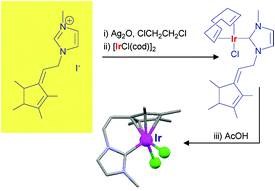
A monolith immobilised iridium Cp* catalyst for hydrogen transfer reactions under flow conditions

 SYNTHESIS  Comments Off on A monolith immobilised iridium Cp* catalyst for hydrogen transfer reactions under flow conditions
Jan 082015
 

Graphical Abstract

http://pubs.rsc.org/en/Content/ArticleLanding/2015/OB/C4OB02376E#!divAbstract

A monolith immobilised iridium Cp* catalyst for hydrogen transfer reactions under flow conditions

*Corresponding authors
aDepartment of Chemistry, University of Cambridge, Lensfield Road, Cambridge, UK
bDepartment of Chemistry, University of Durham, South Road, Durham, UK
Org. Biomol. Chem., 2015, Advance Article

DOI: 10.1039/C4OB02376E

An immobilised iridium hydrogen transfer catalyst has been developed for use in flow based processing by incorporation of a ligand into a porous polymeric monolithic flow reactor. The monolithic construct has been used for several redox reductions demonstrating excellent recyclability, good turnover numbers and high chemical stability giving negligible metal leaching over extended periods of use.
info…………….
Insights into the iridium-catalyzed water oxidation mechanism from a DFT study

Dr. David Balcells, Prof. Odile Eisenstein, Prof. Robert H Crabtree, Agusti Lledos Departament de Quimica, Universitat Autonoma de Barcelona, Bellaterra, Spain; Institut Charles Gerhardt, Universite Montpellier 2, Montpellier, France; Department of Chemistry, Yale University, New Haven, United States

The development of a new energy model is a major challenge in modern chemistry. The climate change and the raise of oil prices prompt the development of clean and cheap energy resources. In this field, artificial photosynthesis is one of the most promising solutions.1 The catalytic oxidation of water to dioxygen is a fundamental part of this process. The mononuclear iridium complex Cp*Ir(ppy)(Cl) (ppy = phenylpyridine) is one of the most efficient catalysts reported for this reaction (Figure).2 DFT calculations support the oxo complex Cp*IrO(ppy) as the active species. The electronic structure of this complex is characterized by having the antibonding p*(Ir=O) orbitals half-occupied. The calculations suggest that the reaction mechanism consists of an intermolecular attack of water to the oxo ligand. This reaction involves the formation of the O-O bond and a proton transfer, which is assisted by the molecules of water solvating the catalyst.

Figure. Iridium-catalyzed water oxidation.

References
(1) Hammarström, L.; Hammes-Schiffer, S. Acc. Chem. Res. 200942, 1859-1860.
(2) Hull, J. F.; Balcells, D.; Blakemore, J. D.; Incarvito, C. D.; Eisenstein, O.; Brudvig, G. W.; Crabtree, R. H. J. Am. Chem. Soc.2009, 131, 8730-8731.

more info………….
The water-soluble iridium complex {Cp*Ir[6,6′-(OH)2bpy](H2O)}[OTf]2(Cp*=η5-pentamethylcyclopentadienyl, bpy=2,2′-bipyridine) was found to be a general and highly efficient catalyst for the N-alkylation of the poor nucleophilic sulfonamides with alcohols as alkylating agents in water. The presence of OH units in the bpy ligand is crucially important for the catalytic activity of the iridium complex. Mechanistic investigations revealed that the catalytically active species is a ligand-metal bifunctional iridium complex bearing an N,N′-chelated 2,2′-bipyridinated ligand and an aqua ligand. Notably, the present catalytic system and the proposed mechanism provide a new horizon and scope for the development of “hydrogen autotransfer (or hydrogen-borrowing) processes”.

The N-Alkylation of Sulfonamides with Alcohols in Water Catalyzed by the Water-Soluble Iridium Complex {Cp*Ir[6,6′-(OH)2bpy](H2O)}[OTf]2

  1. Panpan Qu,
  2. Chunlou Sun,
  3. Juan Ma and
  4. Feng Li*

Article first published online: 13 JAN 2014

DOI: 10.1002/adsc.201300711

http://onlinelibrary.wiley.com/doi/10.1002/adsc.201300711/abstract


http://www.beilstein-journals.org/bjoc/single/articleFullText.htm?publicId=1860-5397-9-110


Functionalized carbenes

http://www.itqb.unl.pt/news/generating-new-catalysts

Share

Diastereoselective [2+2] Photocycloaddition of a Chiral Cyclohexenone with Ethylene in a Continuous Flow Microcapillary Reactor

 SYNTHESIS  Comments Off on Diastereoselective [2+2] Photocycloaddition of a Chiral Cyclohexenone with Ethylene in a Continuous Flow Microcapillary Reactor
Jan 082015
 

The diastereoselective [2+2] photocycloaddition of ethylene to a chiral cyclohexenone was studied in a continuous flow microcapillary reactor. In all cases examined, the microcapillary reactor gave higher conversions and selectivity than the batch system, even after shorter irradiation times. These findings were explained by the superior temperature control, favorable light penetration, and generation of a gas–liquid slug flow with improved mass transfer in the microreactor.

Diastereoselective [2+2] Photocycloaddition of a Chiral Cyclohexenone with Ethylene in a Continuous Flow Microcapillary Reactor

http://www.akademiai.com/content/03163u0p80225v14/?p=bb18d4ec7c044f5c80013806493e8850&pi=2

Journal of Flow Chemistry
Publisher Akadémiai Kiadó
ISSN 2062-249X (Print)
2063-0212 (Online)
Subject Flow Chemistry
Issue Volume 2, Number 3/September 2012
Pages 73-76
DOI 10.1556/JFC-D-12-00005
Authors


Kimitada Terao1, Yasuhiro Nishiyama1, Hiroki Tanimoto1, Tsumoru Morimoto1, Michael Oelgemöller2, Kiyomi Kakiuchi1 Email for kakiuchi@ms.naist.jp

[email protected]http://mswebs.naist.jp/LABs/kakiuchi/member/staff/CV_kakiuchi.pdf

1Nara Institute of Science and Technology (NAIST) Graduate School of Materials Science 8916-5 Takayama-cho, Ikoma Nara 630-0192 Japan
2James Cook University School of Pharmacy and Molecular Sciences Townsville QLD 4811 Australia


more………..

http://mswebs.naist.jp/LABs/kakiuchi/achevement/paper.htm

“Novel Enhancement of Diastereoselectivity of [2+2] Photocycloaddition of
Chiral Cyclohexenones to Ethylene by Adding Naphthalenes”

Ken Tsutsumi, Hiroaki Nakano, Akinori Furutani, Katsunori Endou, Abdurshit Merpuge
Takuya Shintani, Tsumoru Morimoto, Kiyomi Kakiuchi
J. Org. Chem. 200469, 3, 785-789.


“Diastereoselective [2+2] Photocycloaddition of Polymer-Supported
Cyclic Chiral Enone with Ethylene”

Takuya Shintani, Kazunori Kusabiraki, Atsuko Hattori, Akinori Furutani, Ken Tsutsumi,
Tsumoru Morimoto, Kiyomi Kakiuchi
Tetrahedron Lett. 200445, 9, 1849-1851.


“Diastereoselective [2+2] Photocycloaddition of Cyclohexenone Derivative with Olefines in Supercritical Carbon Dioxide
Yasuhiro Nishiyama, Kazuya Nakatani, Hiroki Tanimoto, Tsumoru Morimoto, Kiyomi Kakiuchi
J. Org. Chem. 201378, 7186-7193.

Highlighted in 
ChemInform 
201344(44)


“Diastereoselective [2+2] Photocycloaddition of Chiral Cyclic Enones with Olefins in Aqueous Media Using Surfactants”
Yasuhiro Nishiyama, Mikiko Shibata, Takuya Ishii, Tsumoru Morimoto, Hiroki Tanimoto,
Ken Tsutsumi, Kiyomi Kakiuchi
Molecules, 2013, 18, 1626-1637.


“Highly diastereodifferentiating and regioselective [2+2]-photoreactions using methoxyaromatic menthyl cyclohexenone carboxylates”
Inga Inhulsen, Naoya Akiyama, Ken Tsutsumi, Yasuhiro Nishiyama, Kiyomi Kakiuchi

Tetrahedron 2013, 69, 782-790.


“Diastereodifferentiating [2+2] Photocycloaddition of Chiral Cyclohexenone Carboxylates with Cyclopentene by a Microreactor”
Kimitada Terao, Yasuhiro Nishiyama, Shin Aida, Hiroki Tanimoto, Tsumoru Morimoto,
Kiyomi Kakiuchi
J. Photochem. Photobiol. A: Chem. 2012242, 13-19.

Share

Oleocanthal for treating pain

 Uncategorized  Comments Off on Oleocanthal for treating pain
Jan 062015
 

“Oleocanthal” is specifically deacetoxydialdehydic ligstroside aglycone, which exists as a single isomer (enantiomer). The (-)-enantiomer is the natural product and has the following chemical formula:

http://www.google.com/patents/EP2583676A1?cl=en

The Trustees of The University of Pennsylvania,

Monell Chemical Senses Center,

Russell S. J. Keast, Qiang Han, Amos B. Smith Iii, Gary K. Beauchamp, Paul A. S. Breslin, Jianming Lin,

  • In 1993, Montedoro and co-workers reported the isolation of a new class of phenolic compounds (1-4), including the dialdehydic and aldehydic forms of ligstroside (5) and oleuropeine (6) from virgin olive oils (Montedoro, G. et al. (1993) J. Agric. Food Chem. 41:2228-2234) (See Figure 1 for structures). These phenolic compounds comprise important minor constituents of virgin olive oils that have been implicated in the organoleptic characteristics including bitterness, pungency, and astringency (Andrewes, P. et al. (2003) J. Agric. Food Chem. 57:1415-1420 ).
  • In addition, these agents have been suggested to contribute to the oxidative stability of virgin olive oil and as such are associated with health benefits of olive oils, specifically their antioxidant/anticancer activities (Owen, R.W. et al. (2000) Food Chem. Toxicology 38:647-659; Owen, R.W. et al. (2000) Eur. J. Cancer 36(10):1235-1247; Baldioli, M. et al. (1996) J. Am. Oil Chem. Soc. 73(11):1589-1593; Manna, C. et al. (2002) J. Agric. Food Chem. 50(22):6521-6526).
  • Similar structural features have been reported in the constituents of the Jasminum (Somanadhan, B. et al. (1998) Planta Medica 64:246-50; Takenaka, Y. et al. (2002) Chem. & Pharm. Bull 50(3):384-389) and related plant species (Takenaka, Y. et al. (2002) Phytochemistry 59(7):779-787). It has been shown that both ibuprofen and a Mediterranean diet (i.e., high in olive oil) both decrease the risk/incidence for breast and lung cancer.
  • In 2003, Busch and co-workers at Unilever Research and Development Vlaardingen (The Netherlands) identified deacetoxydialdehydic ligstroside aglycone as a principal contributor to the potent pungent (burning) sensation at the back of throat associated with high quality virgin olive oils (Andrewes, P. et al. (2003) J. Agric. Food Chem. 57:1415-1420). Studies at Firmenich, Inc., reached the same conclusion (Firmenich, Inc. study). The structure of 1 was assigned,

    employing a series of 1 and 2D NMR experiments (Andrewes, P. et al. (2003) J. Agric. Food Chem. 57:1415-1420), in conjunction with comparison to literature data (Montedoro, G. et al. (1993) J. Agric. Food Chem. 41:2228-2234). The absolute stereochemistry remained undetermined. That 1 was responsible for the strong pungent (burning) sensation at the back of the throat was based on an extensive series of HPLC fraction analysis, omission analysis and correlation, and hydrolysis studies, in conjunction with human sensory studies. Andrewes et al., however, acknowledged that “a coelution compound causing the burning sensation” could not be eliminated without completing a synthesis of 1, which they stated to be “extremely challenging.”

EXAMPLES


Example 1: Isolation of deacetoxydialdehydic ligstroside aglycone “Oleocanthal”A. Synthesis of Oleocanthal

  • Retrosynthetically, we envisioned both enantiomers of (1) to derive from the enantiomeric forms of cyclopentanediols (7) via oxidative cleavage of the diol moiety (Scheme 1). The requisite cyclopentanediols (7) in turn would be prepared from cyclopentanones (+)- and (-)-(10), via alkylation to introduce stereoselectively the side chain from the convex face, followed by stereoselective Wittig ethylnation and removal of the acetonide moiety (Scheme 1).

    (5) Initially (+)- and (-)-cyclopentanones (10) were prepared via the sulfoximine and/or enzymatic protocols introduced and developed by Johnson (Johnson, C.R. and T. Penning (1988) J. Am. Chem. Soc. 110:4726-4735; Johnson, C.R. (1998) Acc. Chem. Res. 31:333-341). Although effective on modest scale (10-100mg), the requirement for gram quantities of the oleocanthals demanded that we secure for more scalable routes to (10). Towards this end, we optimized a hybrid of synthetic approaches (Moon, H. et al. (2002) Tetrahedron: Asym. 13(11):1189-1193; Jin, Y. et al. (2003) J. Org. Chem. 68(23):9012-9018; Yang, M. (2004) J. Org. Chem. 69(11):3993-3996; Palmer, A. et al. (2001) Eur. J. Org. Chem. 66(7):1293-1308; Paquette, L. and S. Bailey (1995) J. Org. Chem. 60:7849-7856) as outlined in Scheme 2. Importantly, both enantiomers of (10) could be prepared in multi-gram quantities in 7 steps, with an overall efficiency of 40% from inexpensive D-(-)-ribose. Key elements of both sequences entailed vinyl Grignard addition to the enantiomers of aldehyde (12), followed in turn by ring closing metathesis (RCM), PCC oxidation and hydrogenation (Scheme 2).

  • Alkylation of (+)- and (-)- cyclopentanone (10) with methyl bromoacetate was then anticipated to proceed from the less hindered convex face of the bicyclic skeleton to install the side chain in a stereoselective fashion. Initial attempts however to alkylate (-)-(8) with methyl bromoacetate employing LDA in the presence of HMPA furnished only a complex mixture containing only trace amounts of (-)-(16). Neither addition of Cu(I) (Johnson, C.R. and T. Penning (1988) J. Am. Chem. Soc. 110:4726-4735) reportedly to suppress side reactions, nor the use of the corresponding tin enolate [generated by treatment of (-)-(10) in THF with LDA, followed by HMPA and tributyltin chloride (Suzuki, M. et al. (1985) J. Am. Chem. Soc. 107:3348; Nishiyama, H. et al. (1984) Tetrahedron Lett. 25:223)] improved the situation. Alkylation of the zinc enolate of (-)-(10) [generated by treatment of (-)-(10) in THF with 1.1 eq. LHMDS, followed in turn by HMPA (3.0 eq.) and dimethyl zinc (Morita, Y. et al. (1989) J. Org. Chem. 54:1787-1788) (1.0 eq.)] with methyl bromoacetate, however consistently furnished (-)-(16) in 55-60% yield as a single diastereomer (this reaction was fairly clean except some baseline materials. Using t-butyl bromoacetate instead of methyl bromoacetate did not improve the yield) (Scheme 3).

  • Wittig ethylnation of (-)-(16) was next achieved with ethyltriphenylphosphine bromide. Best results were obtained employing LDA as the base at -45°C. Although excellent stereoselectivity (ca., 10:1 E:Z) favoring the E-isomer (-)-(17) was achieved, the yield was only modest (42%), presumably due to the ease of enolization of (-)-(16) (Edmunds, M. “The Wittig Reaction” In MODERN CARBONYL OLEFINATION, Takeda, Ed., John Wiley & Sons, New Jersey, 2004). Interestingly, the stereoselectivity varied dramatically with reaction temperature. At 0°C, the E:Z selectivity was 3.3:1, while at room temperature the selectivity was 1.6:1. Assignment of the E geometry of the olefin was based on NMR NOE analysis (Scheme 4).

  • Hydrolysis of ester (-)-(17) (LiOH/THF/H2O) next afforded acid (-)-(18), which was subjected to Mitsunobu esterification (Mitsunobu, O. (1981) Synthesis 1-28) with 4-hydroxyphenethyl alcohol to furnish phenol (-)-(19) in 92% yield. As expected, the Mitsunobu reaction proceeded with complete chemoselectivety at the primary hydroxyl (Appendino, G. et al. (2002) Org. Lett. 4:3839-3841). Completion of the synthesis of (-)-oleocanthal (1) was then achieved via liberation of the vicinal diol moiety (4N HCl/acetonitrile), followed by oxidative cleavage (NaIO4); (-)-oleocanthal (1) was identical in all respects (e.g., 1H and 13C NMR, IR and HRMS) with an authentic sample isolated from virgin olive oil, the latter possessing spectral data identical to that reported in the literature (Montedoro, G. et al. (1993) J. Agric. Food Chem. 41:2228-2234). The structural assignment of (1) was also confirmed by COSY NMR analysis. Synthetic (-)-(1) displayed a small negative optical rotation ([α]25D -0.78, c = 0.9, CHCl3) identical to that obtained from a sample isolated from virgin olive oil ([α]25 D -0.9, c = 2.0, CHCl3). Thus the stereochemistry of (-)-oleocanthal (1) is 3S, 4E. The enantiomer of the natural product (+)-(1) was prepared via a similar reaction sequence beginning with (+)-(10) to furnish (+)-1 ([a]25 D +0.73, c = 0.55, CHCl3) (Scheme 5).

  • In summary, an effective, scalable synthesis of both enantiomers of oleocanthal (1) has been achieved, each in 13 steps (7 % overall yield) from inexpensive (D)-(-)-ribose, requiring only 6 chromatographic separations. The structural similarity of oleocanthal to a number of related natural products (Somanadhan, B. et al. (1998) Planta Medica 64:246-50; Takenaka, Y. et al. (2002) Chem. & Pharm. Bull. 50(3):384-389; Takenaka, Y. et al. (2002) Phytochemistry 59(7):779-787) suggests that the synthetic approach presented here should also be applicable to their construction.


  • Figure 3 shows the synthetic scheme of (-)-oleocanthal.

  • Figure 4 shows the synthetic scheme of (+)-oleocanthal.

Share

Synthesis of Methoxyisopropyl (MIP)-Protected (R)-Mandelonitrile and Derivatives in a Flow Reactor

 SYNTHESIS  Comments Off on Synthesis of Methoxyisopropyl (MIP)-Protected (R)-Mandelonitrile and Derivatives in a Flow Reactor
Jan 042015


Cyanohydrins are synthetically versatile chiral building blocks in organic synthesis. They can be conveniently synthesized in enantiomerically pure form via chemoenzymatic hydrogen cyanide addition onto the corresponding aldehyde using hydroxynitrile lyase.

Recently, we reported that such transformations can be efficiently carried out in a continuous flow manner using microreactors. Since racemization of enantiopure cyanohydrins occurs readily under slightly basic conditions, they should be protected before the follow-up reactions, preferably under acidic conditions.

In this contribution, we demonstrate that the methoxyisopropyl protection of mandelonitrile can be conveniently optimized in an automated microscale continuous flow system and subsequently scaled up under the same conditions by applying a larger flow reactor.


Synthesis of Methoxyisopropyl (MIP)-Protected (R)-Mandelonitrile and Derivatives in a Flow Reactor

http://www.akademiai.com/content/9488206462627n38/?p=6ed413d7b9fb47fe9fe7e1262c37694f&pi=2

Journal of Flow Chemistry
Publisher Akadémiai Kiadó
ISSN 2062-249X (Print)
2063-0212 (Online)
Subject Flow Chemistry
Issue Volume 2, Number 4/December 2012
Pages 124-128
DOI 10.1556/JFC-D-12-00008

Radboud University

Authors
Mariëlle M.E. Delville, Jasper J.F. Gool, Ivo M. Wijk, Jan C.M. Hest, Floris P.J.T. Rutjes1 Email for f.rutjes@science.ru.nl  [email protected]

1Institute for Molecules and Materials Radboud University Nijmegen Heyendaalseweg 135 6525 AJ Nijmegen the Netherlands

Floris P.J.T. Rutjes

Groepsfoto IMM 2014 klein-1


The IMM-office is located on the 3rd floor of the Huygens building, which is at walking distance (about 5 min.) from the railway station Nijmegen Heyendaal.


Share
Jan 012015
 

IMAGE……….http://www.laboratorytalk.com/life-sciences-and-clinical-laboratory-equipment/synthesis-systems/flow-chemistry-system-aids-synthesis-of-cns-drugs/404882.article


1…………………


Gleevec, developed by Novartis, is a tyrosine kinase inhibitor used for the treatment of chronic myeloid leukaemia and gastrointestinal stromal tumours. The drug molecule represents a particularly challenging target for flow chemistry because of the low solubility of many of the reaction components required for its synthesis. The team devised a new synthesis route that prevents the equipment blockages from product precipitation and avoids many of the labour and time intensive practices of traditional batch-based preparation.


flow synthesisThe flow-based route required minimal manual intervention and was achieved despite poor solubility of many reaction componentsLINK………...http://www.rsc.org/chemistryworld/2013/01/flow-synthesis-anticancer-drug

2…………………..

Malaria is a serious global health issue. Artemisinin combination treatments are the first-line drugs, but supplies are limited because artemisinin is obtained solely by extraction from Artemisia annua. A continuous-flow process that converts dihydroartemisinic acid into artemisinin (see scheme) was shown to be an inexpensive and scalable process that can ensure a steady, affordable supply of artemisinin.

Continuous-Flow Synthesis of the Anti-Malaria Drug Artemisinin

  1. Dr. François Lévesque1 and
  2. Prof. Dr. Peter H. Seeberger1,2,*

Article first published online: 16 JAN 2012

DOI: 10.1002/anie.201107446………….http://onlinelibrary.wiley.com/doi/10.1002/anie.201107446/abstract


IMAGE………..http://phys.org/news/2013-08-chemists-fresh-approach-alloy-nanomaterials.html


3……………….


http://www.beilstein-journals.org/bjoc/single/articleFullText.htm?publicId=1860-5397-9-265


IMAGE……..http://www.chemistryviews.org/details/ezine/1058453/Women_in_ChemistryA_European_Journal.html


4…………………….


http://www.rsc.org/chemistryworld/2014/09/antimalarial-flow-synthesis-commercialisation-artemisinin


5…………………………….

http://pipeline.corante.com/archives/2014/04/


http://www.chemistryviews.org/details/ezine/5753931/Liliana_Mammino_Research_and_Education_in_Sub-Saharan_Africa.html


6…………………………

http://pubs.rsc.org/en/content/articlelanding/2013/ob/c2ob27003j#!divAbstract

 http://www.amnh.org/learn-teach/young-naturalist-awards/winning-essays2/2013-winning-essays/optimizing-algae-biofuels-applied-natural-selection-to-improve-lipid-synthesis


7…………………..


http://onlinelibrary.wiley.com/doi/10.1002/anie.201305429/abstract

http://www.rsc.org/chemistryworld/2012/04/iron-lady


8………………………..

http://www-medchem.ch.cam.ac.uk/hot_topics.php

http://www.ollusa.edu/s/1190/ollu.aspx?pgid=2674


9…………………………

http://www.mdpi.com/1420-3049/19/7/9736

http://www.ed.ac.uk/alumni/services/news/news/femalechemists


10…………………


http://newdrugapprovals.org/2014/12/31/continuous-flow-synthesis-of-alpha-halo-ketones-building-blocks-for-anti-retroviral-agents/

main image


http://www3.imperial.ac.uk/newsandeventspggrp/imperialcollege/newssummary/news_26-9-2013-11-6-53


11……………………


http://pubs.rsc.org/en/content/articlehtml/2013/ob/c3ob41464g


http://emmittnlxe.soup.io/


12………………………..

http://pubs.rsc.org/en/content/articlelanding/2012/sc/c2sc21850j#!divAbstract


IMAGE……..http://evnewsreport.com/tag/battery/


13……………….


http://www.leygroup.ch.cam.ac.uk/research/continuous-flow-methodology/heterocycles-flow

IMAGE……….http://www.chemistryviews.org/details/ezine/1059875/Women_in_Chemistry__Interview_with_Zeinab_Shaaban_Abd_El-Ati_Abou_El-Naga.html


14………………..


http://www.sfu.ca/chemistry/groups/britton/publications.html


IMAGE……….http://www.greentechnolog.com/green_chemistry/


Share

RUFINAMIDE….FLOW SYNTHESIS

 SYNTHESIS  Comments Off on RUFINAMIDE….FLOW SYNTHESIS
Jan 012015
 

A report (Org Process Res Dev 2014, ASAP article) out of Jamison’s group at MIT, provides a 3-step synthesis of Rufinamide in 92% overall yield. The process illustrates a continuous and convergent method, moving away from the isolation of a key organic azide intermediates and a Cu coiled-tube reactor for the cycloaddition reaction to the corresponding desired triazole.

http://pubs.acs.org/doi/abs/10.1021/op500166n

Small molecules bearing 1,2,3-triazole functionalities are important intermediates and pharmaceuticals. Common methods to access the triazole moiety generally require the generation and isolation of organic azide intermediates. Continuous flow synthesis provides the opportunity to synthesize and consume the energetic organoazides, without accumulation thereof. In this report, we described a continuous synthesis of the antiseizure medication rufinamide. This route is convergent and features copper tubing reactor-catalyzed cycloaddition reaction. Each of the three chemical steps enjoys significant benefits and has several advantages by being conducted in flow. The total average residence time of the synthesis is approximately 11 min, and rufinamide is obtained in 92% overall yield.


Thumbnail image of graphical abstract

Give it a flow: A continuous-flow process for the synthesis of a 1,2,3-triazole precursor of Rufinamide has been developed. The protocol involves a solvent- and catalyst-free operation and utilizes reaction temperatures above the melting point of the target product to prevent microreactor clogging, resulting in a decrease of the operating time from hours to minutes.

Solvent- and Catalyst-Free Huisgen Cycloaddition to Rufinamide in Flow with a Greener, Less Expensive Dipolarophile

  1. Svetlana Borukhova1,
  2. Dr. Timothy Noël1,*,
  3. Bert Metten2,
  4. Eric de Vos2 and
  5. Prof. Dr. Volker Hessel1,*

Article first published online: 23 SEP 2013

DOI: 10.1002/cssc.201300684

http://onlinelibrary.wiley.com/doi/10.1002/cssc.201300684/abstract


Share

Meclinertant (SR48692)

 Uncategorized  Comments Off on Meclinertant (SR48692)
Dec 312014


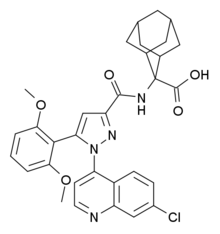
SR-48692 structure.png


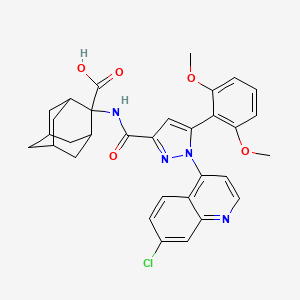
2-[[1-(7-chloroquinolin-4-yl)-5-(2,6-dimethoxyphenyl)pyrazole-3-carbonyl]amino]adamantane-2-carboxylic acid

Meclinertant (SR-48692) is a drug which acts as a selective, non-peptide antagonist at the neurotensin receptor NTS1, and was the first non-peptide antagonist developed for this receptor.[1][2] It is used in scientific research to explore the interaction between neurotensin and other neurotransmitters in the brain,[3][4][5][6][7][8] and produces anxiolytic, anti-addictive and memory-impairing effects in animal studies.[9][10][11][12]

PatentSubmittedGranted1-(7-chloroquinolin-4-yl)pyrazole-3-carboxamide N-oxide derivatives, method of preparing them, and their pharmaceutical compositions [US5561234]1996-10-01

Substituted 1-naphthyl-3-pyrazolecarboxamides which are active on neurotensin [US5585497]1996-12-17

3-amidopyrazole derivatives, process for preparing these and pharmaceutical composites containing them [US5420141]1995-05-30

Substituted 1-naphthyl-3-pyrazolecarboxamides which are active on neurotensin, their preparation and pharmaceutical compositions containing them [US5523455]1996-06-04

3-amidopyrazole derivatives, process for preparing these and pharmaceutical compositions containing them [US5607958]1997-03-04

3-amidopyrazole derivatives, process for preparing these and pharmaceutical compositions containing them [US5616592]1997-04-01

3-amidopyrazole derivatives, process for preparing these and pharmaceutical compositions containing them [US5635526]1997-06-03

Substituted 1-phenyl-3-pyrazolecarboxamides active on neurotensin receptors, their preparation and pharmaceutical compositions containing them [US5965579]1999-10-12


Meclinertant.png

Systematic (IUPAC) name
2-([1-(7-Chloro-4-quinolinyl)-5-(2,6-dimethoxyphenyl)-1H-pyrazole-3-carbonyl]amino)admantane-2-carboxylic acid
Clinical data
Legal status
?
Identifiers
CAS number 146362-70-1 Yes
ATC code ?
PubChem CID 119192
IUPHAR ligand 1582
UNII 5JBP4SI96H Yes
Chemical data
Formula C32H31ClN4O5 
Mol. mass 587.064

 A Machine-Assisted Flow Synthesis of SR48692: A Probe for the Investigation of Neurotensin Receptor-1 (pages 7917–7930)

Dr. Claudio Battilocchio, Benjamin J. Deadman, Dr. Nikzad Nikbin, Dr. Matthew O. Kitching, Prof. Ian R. Baxendale and Prof. Steven V. Ley

Article first published online: 16 APR 2013 | DOI: 10.1002/chem.201300696

Flow and pharmaceuticals? An investigation into whether machine-assisted technologies can be of true help in the multistep synthesis of a potent neurotensin receptor-1 probe, Meclinertant (SR48692; see structure), is reported.


Meclinertant (SR 48692)
We developed an improved synthesis of the neurotensin antagonist biological probe SR 48692. The preparation includes an number of  chemical conversions and strategies  involving the use of flow chemistry platforms which helped overcome some of the limiting synthetic transformations in the original chemical route .

Print

Meclinertant (SR 48692): The synthesis of neurotensin antagonist SR 48692 for prostate cancer research I.R. Baxendale, S. Cheung, M.O. Kitching, S.V. Ley, J.W. Shearman Bio. Org. Med. Chem. 2013, 21, 4378-4387.


A synthesis of the neurotensin 1 receptor probe Merclinertant (SR48692) has been reported using a range of continuous flow through synthesis, in-line reaction monioring and purification techniques. This strategy has been contrasted with a more conventional batch synthesis approach.

Notably the safe use of phosgene gas (generated in situ), the superheating of solvents to accelerate reaction rates, the processing of a reagent suspension under continuous flow-through conditions and the application of semi-permeable membrane technology to facilitate work-up and purification were all techniques that could be beneficially applied in the synthetic scheme.

…………………….

Abstract:

An improved synthesis of the molecule SR 48692 is presented and its use as a neurotensin antagonist biological probe for use in cancer research is described. The preparation includes an number of enhanced chemical conversions and strategies to overcome some of the limiting synthetic transformations in the original chemical route.
The Synthesis of Neurotensin Antagonist SR 48692 for Prostate Cancer Research.Bioorg. Med. Chem. 201321, 4378-4387.
Link: 10.1016/j.bmc.2013.04.075Baxendale, I. R.; Cheung, S.; Kitching, M. O.; Ley, S. V. Shearman, J. W.
Graphical Abstract
/////////////////////////////

Meclinertant, Reminertant, SR-48692
The condensation of 2′,6′-dimethoxyacetophenone (I) with diethyl oxalate (II) by means of sodium methoxide in refluxing methanol gives the dioxobutyrate (III), which is cyclized with 7-chloroquinoline-4-hydrazine (IV) in refluxing acetic acid yielding the pyrazole derivative (V). The hydrolysis of the ester group of (V) with KOH in refluxing methanol/water affords the corresponding carboxylic acid (VI), which is finally treated with SOCl2 in refluxing toluene and condensed with 2-aminoadamantane-2-carboxylic acid.

EP 0477049; FR 2665898; JP 1992244065; US 5420141; US 5607958; US 5616592; US 5635526; US 5744491; US 5744493

…………………………….

  1.  Gully D, Canton M, Boigegrain R, Jeanjean F, Molimard JC, Poncelet M, Gueudet C, Heaulme M, Leyris R, Brouard A (January 1993).“Biochemical and pharmacological profile of a potent and selective nonpeptide antagonist of the neurotensin receptor”Proceedings of the National Academy of Sciences of the United States of America 90 (1): 65–9. doi:10.1073/pnas.90.1.65PMC 45600PMID 8380498.
  2.  Gully D, Jeanjean F, Poncelet M, Steinberg R, Soubrié P, Le Fur G, Maffrand JP (1995). “Neuropharmacological profile of non-peptide neurotensin antagonists”. Fundamental & Clinical Pharmacology 9 (6): 513–21. doi:10.1111/j.1472-8206.1995.tb00528.x.PMID 8808171.
  3.  Rostene W, Azzi M, Boudin H, Lepee I, Souaze F, Mendez-Ubach M, Betancur C, Gully D (April 1997). “Use of nonpeptide antagonists to explore the physiological roles of neurotensin. Focus on brain neurotensin/dopamine interactions”. Annals of the New York Academy of Sciences 814: 125–41. doi:10.1111/j.1749-6632.1997.tb46151.xPMID 9160965.
  4. Jump up^ Jolas T, Aghajanian GK (August 1997). “Neurotensin and the serotonergic system”. Progress in Neurobiology 52 (6): 455–68.doi:10.1016/S0301-0082(97)00025-7PMID 9316156.
  5. Jump up^ Dobner PR, Deutch AY, Fadel J (June 2003). “Neurotensin: dual roles in psychostimulant and antipsychotic drug responses”. Life Sciences73 (6): 801–11. doi:10.1016/S0024-3205(03)00411-9PMID 12801600.
  6. Jump up^ Chen L, Yung KK, Yung WH (September 2006). “Neurotensin selectively facilitates glutamatergic transmission in globus pallidus”.Neuroscience 141 (4): 1871–8. doi:10.1016/j.neuroscience.2006.05.049PMID 16814931.
  7.  Petkova-Kirova P, Rakovska A, Della Corte L, Zaekova G, Radomirov R, Mayer A (September 2008). “Neurotensin modulation of acetylcholine, GABA, and aspartate release from rat prefrontal cortex studied in vivo with microdialysis”. Brain Research Bulletin 77 (2–3): 129–35. doi:10.1016/j.brainresbull.2008.04.003PMID 18721670.
  8.  Petkova-Kirova P, Rakovska A, Zaekova G, Ballini C, Corte LD, Radomirov R, Vágvölgyi A (December 2008). “Stimulation by neurotensin of dopamine and 5-hydroxytryptamine (5-HT) release from rat prefrontal cortex: possible role of NTR1 receptors in neuropsychiatric disorders”.Neurochemistry International 53 (6–8): 355–61. doi:10.1016/j.neuint.2008.08.010PMID 18835308.
  9.  Griebel G, Moindrot N, Aliaga C, Simiand J, Soubrié P (December 2001). “Characterization of the profile of neurokinin-2 and neurotensin receptor antagonists in the mouse defense test battery”. Neuroscience and Biobehavioral Reviews 25 (7–8): 619–26. doi:10.1016/S0149-7634(01)00045-8PMID 11801287.
  10.  Tirado-Santiago G, Lázaro-Muñoz G, Rodríguez-González V, Maldonado-Vlaar CS (October 2006). “Microinfusions of neurotensin antagonist SR 48692 within the nucleus accumbens core impair spatial learning in rats”. Behavioral Neuroscience 120 (5): 1093–102. doi:10.1037/0735-7044.120.5.1093PMID 17014260.
  11.  Felszeghy K, Espinosa JM, Scarna H, Bérod A, Rostène W, Pélaprat D (December 2007). “Neurotensin receptor antagonist administered during cocaine withdrawal decreases locomotor sensitization and conditioned place preference”Neuropsychopharmacology 32 (12): 2601–10. doi:10.1038/sj.npp.1301382PMC 2992550PMID 17356568.
  12. Lévesque K, Lamarche C, Rompré PP (October 2008). “Evidence for a role of endogenous neurotensin in the development of sensitization to the locomotor stimulant effect of morphine”.European Journal of Pharmacology 594 (1–3): 132–8. doi:10.1016/j.ejphar.2008.07.048PMID 18706409.
Share
Follow

Get every new post on this blog delivered to your Inbox.

Join other followers: